HP OMEN 15-dc0007no RAM upgrade specifications
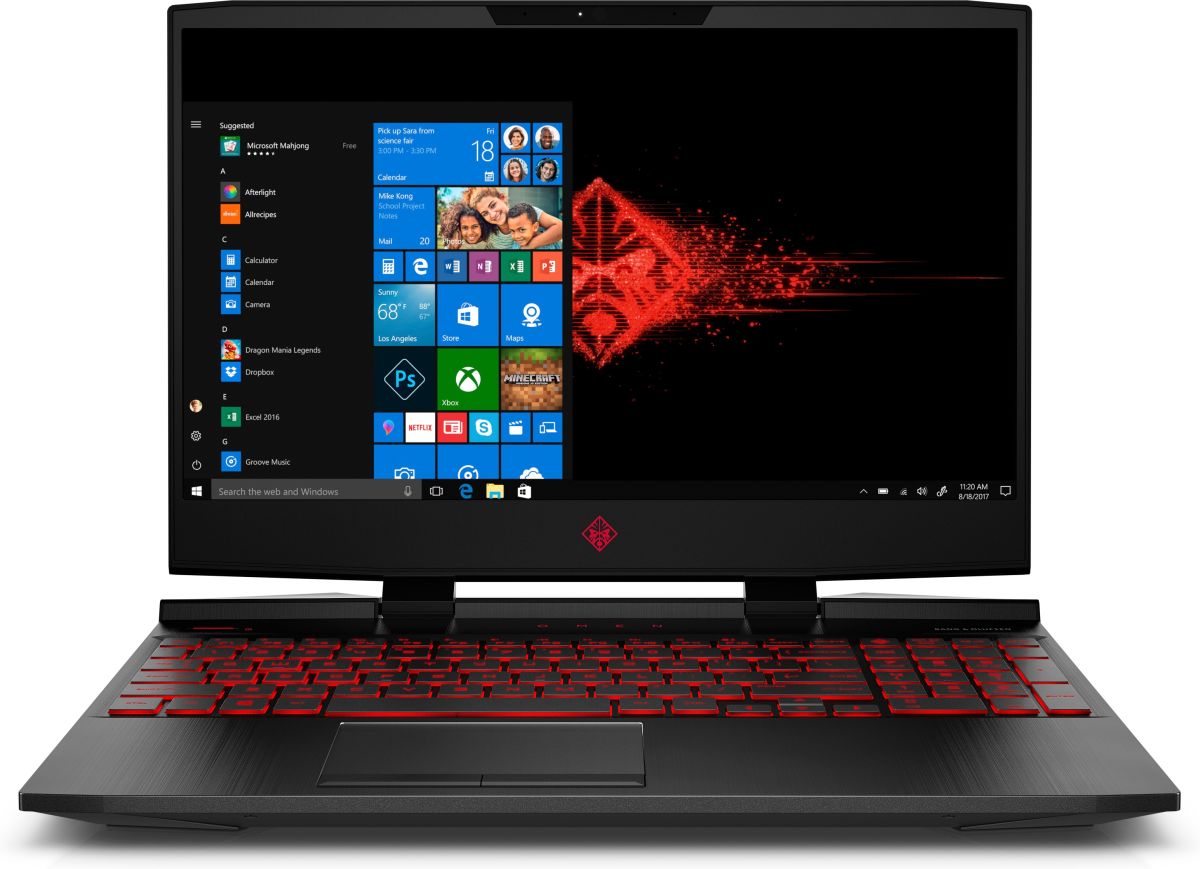
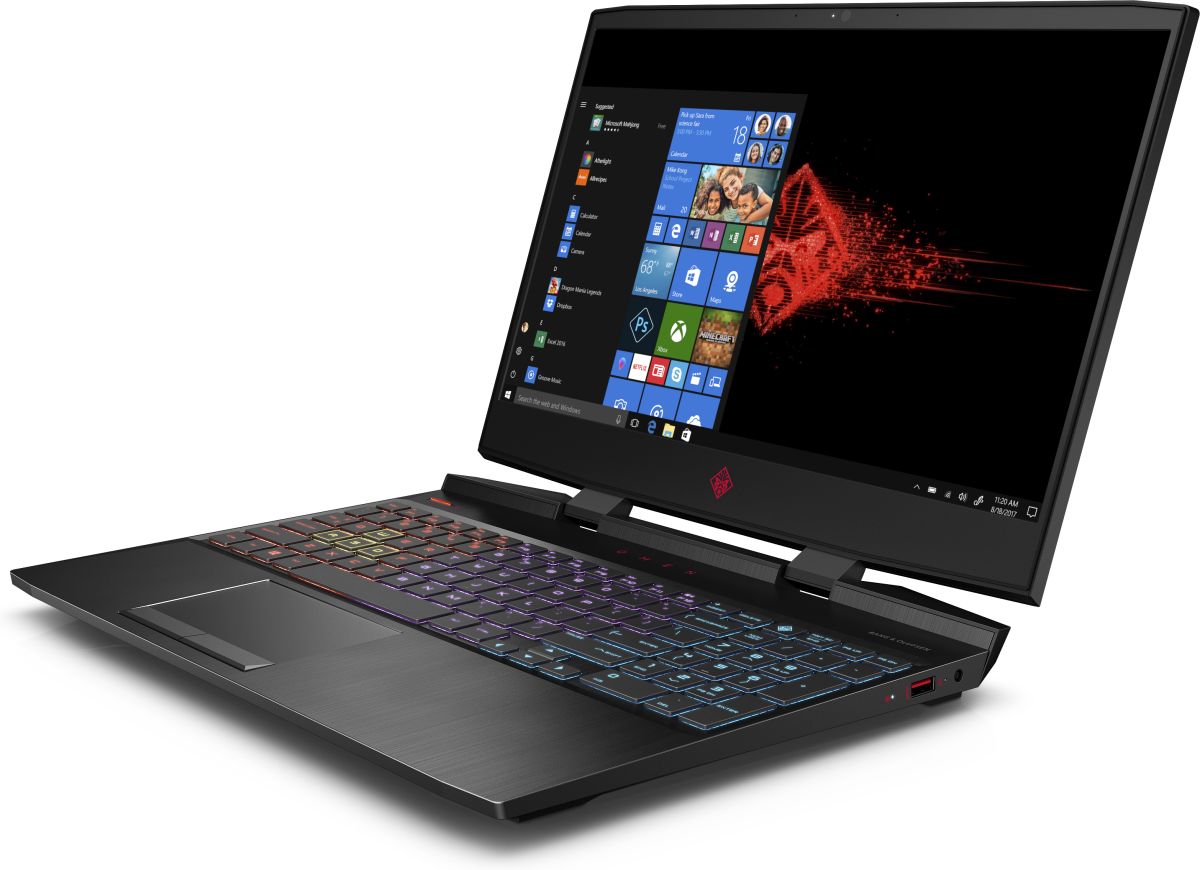
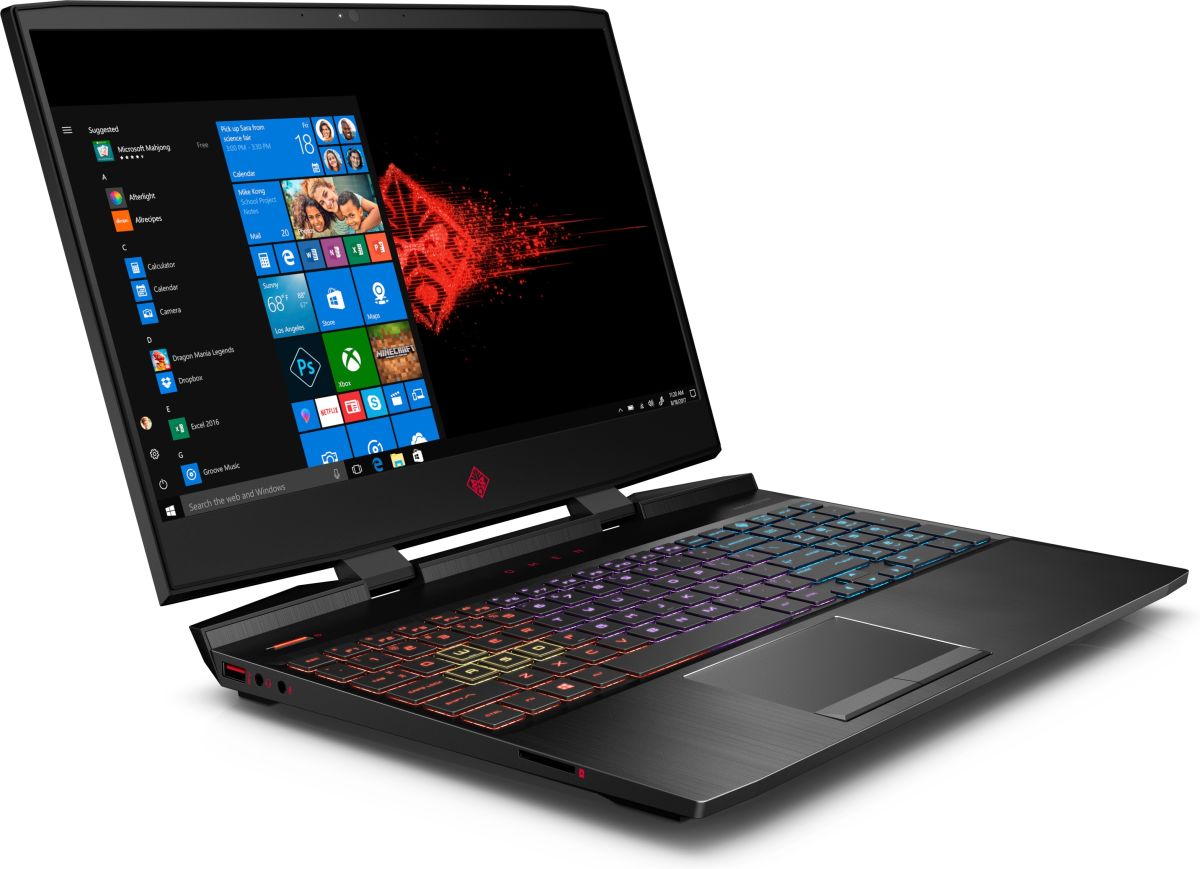
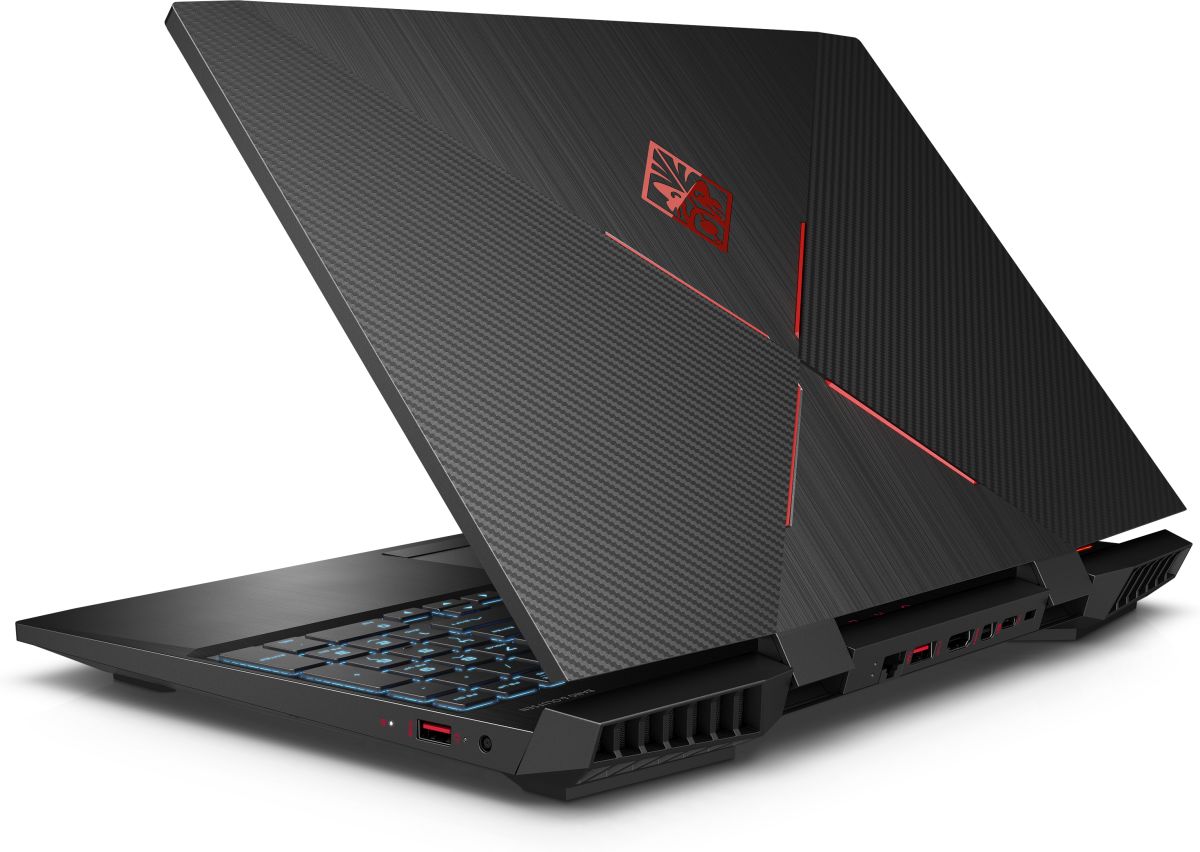
The HP OMEN 15-dc0007no laptop features two SO-DIMM memory slots supporting DDR4-SDRAM upgrade specifications. The system accommodates a maximum RAM capacity of 32 GB total, with compatible memory operating at 2666 MHz frequency. This configuration allows for memory expansion and upgrade options within the specified DDR4 SO-DIMM form factor constraints. Users can install compatible DDR4 modules to enhance system performance and multitasking capabilities on the OMEN 15 series gaming laptop.
Memory Upgrade Specifications
| Specification | Value |
|---|---|
| Memory slots | 2x SO-DIMM |
| Form factor | SO-DIMM |
| Memory type | DDR4-SDRAM |
| Frequency | 2666 MHz |
| Maximum RAM | 32 GB |
| Voltage | 1.2V |
| Number of pins | 260-pin |
| Interface | PC4 |
| PC Speed Rating | PC4-2666 (PC4-21328) |
| Bandwidth | 21.3 GB/s |
| Laptop Release date | 21 June 2018 |
Additional Notes
- The HP OMEN 15-dc0007no's 32 GB memory ceiling reflects a chipset limitation rather than physical slot capacity, constraining future-proofing beyond dual 16 GB modules.
- DDR4-2666 operates at PC4-21300 bandwidth standards, delivering 21.3 GB/s theoretical throughput per channel when both slots maintain matched configurations.
- SO-DIMM architecture requires modules no taller than 30mm to avoid interference with keyboard assemblies during installation or chassis closure.
- Single-channel configurations incur approximately 15-25% performance degradation in memory-intensive workloads compared to dual-channel population across both slots.
- Mixing module densities triggers asymmetric dual-channel mode, where only matched capacity portions operate in paired mode while excess capacity reverts to single-channel access.
- Non-native frequencies above 2666 MHz revert to JEDEC standard speeds without manual BIOS intervention, as gaming-oriented platforms typically lock multiplier adjustments.
- CAS latency variations between CL15 and CL19 modules yield 2-4 nanosecond absolute latency differences at identical frequencies, impacting frame-time consistency in GPU-bound scenarios.
- Warranty preservation requires avoiding bottom-panel seal breakage on units still under manufacturer coverage, as memory access necessitates full disassembly on this chassis generation.
- XMP-profiled modules default to conservative 2133 MHz speeds unless enabled through firmware, negating advertised performance without configuration changes.
- Thermal constraints within the 15-inch gaming chassis favor standard-voltage 1.2V modules over overclocking-oriented 1.35V variants to maintain sustained boost behavior.
- Rank configuration affects power states, where dual-rank modules consume marginally more idle power but provide superior interleaving efficiency during active operations.