HP OMEN 15-dc0035ur RAM upgrade specifications




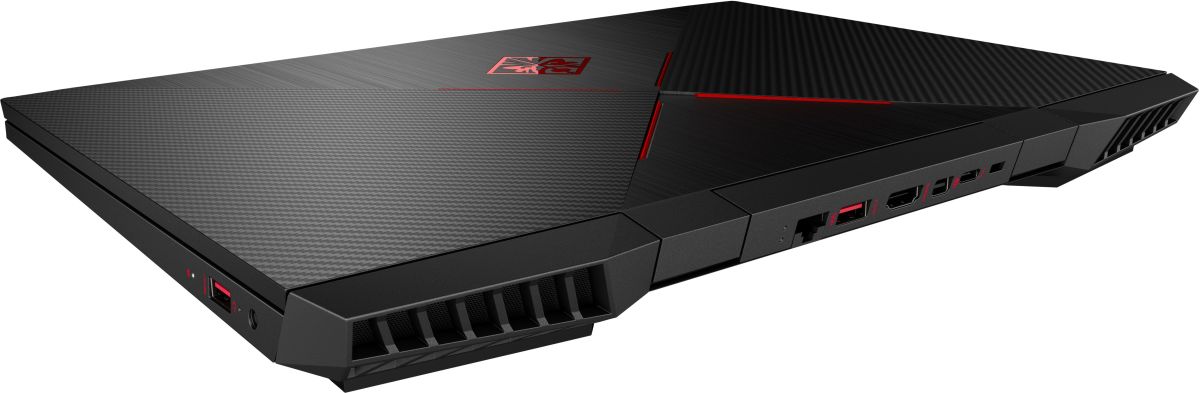
The HP OMEN 15-dc0035ur laptop features DDR4-SDRAM memory with two SO-DIMM slots supporting maximum RAM capacity of 32 GB. The memory upgrade specifications indicate compatibility with DDR4 modules operating at 2666 MHz frequency. Upgrade options allow installation of additional SO-DIMM form factor RAM to achieve the maximum 32 GB capacity. Current specifications and compatible memory modules are documented for RAM expansion on this OMEN 15 series model.
Memory Upgrade Specifications
| Specification | Value |
|---|---|
| Memory slots | 2x SO-DIMM |
| Form factor | SO-DIMM |
| Memory type | DDR4-SDRAM |
| Frequency | 2666 MHz |
| Maximum RAM | 32 GB |
| Voltage | 1.2V |
| Number of pins | 260-pin |
| Interface | PC4 |
| PC Speed Rating | PC4-2666 (PC4-21328) |
| Bandwidth | 21.3 GB/s |
| Laptop Release date | 05 July 2018 |
Additional Notes
- The 2666 MHz specification represents the maximum officially supported frequency, meaning modules rated at 2933 MHz or 3200 MHz will downclock to 2666 MHz when installed in this system.
- SO-DIMM form factor physically differs from standard DIMM modules used in desktop systems, making desktop RAM incompatible regardless of matching DDR4 specifications.
- The 32 GB maximum capacity divided across 2 slots means each slot supports modules up to 16 GB, limiting single-module configurations to half the system maximum.
- DDR4-SDRAM operates at lower voltage (1.2V) compared to DDR3 (1.5V), preventing backward compatibility with older generation modules despite physical slot similarities in some cases.
- Dual-channel architecture requires identical module specifications in both slots to achieve maximum memory bandwidth, while mismatched modules force single-channel operation at reduced performance.
- The memory controller in OMEN 15 series systems typically resides within the CPU, meaning processor generation directly determines which DDR4 speeds and capacities function without stability issues.
- Non-ECC unbuffered modules are required for consumer laptop platforms, as ECC or registered memory types will either fail to boot or operate with reduced functionality.
- Operating both slots simultaneously generates more heat within the confined laptop chassis compared to single-module configurations, potentially affecting thermal throttling behavior during sustained workloads.
- Warranty preservation requires avoiding physical damage to retention clips and gold contacts during installation, as user-replaceable component damage falls outside manufacturing defect coverage.
- CAS latency variations between DDR4-2666 modules affect real-world performance more significantly than frequency differences within the same generation, particularly in memory-intensive applications.
- Mixing module capacities between slots remains functional but prevents full dual-channel operation across the entire memory range, creating asymmetric performance zones.
- The SO-DIMM standard's 260-pin configuration differs from desktop DIMM's 288-pin layout, providing physical incompatibility protection beyond electrical specification mismatches.