HP OMEN 15-dc0799no RAM upgrade specifications




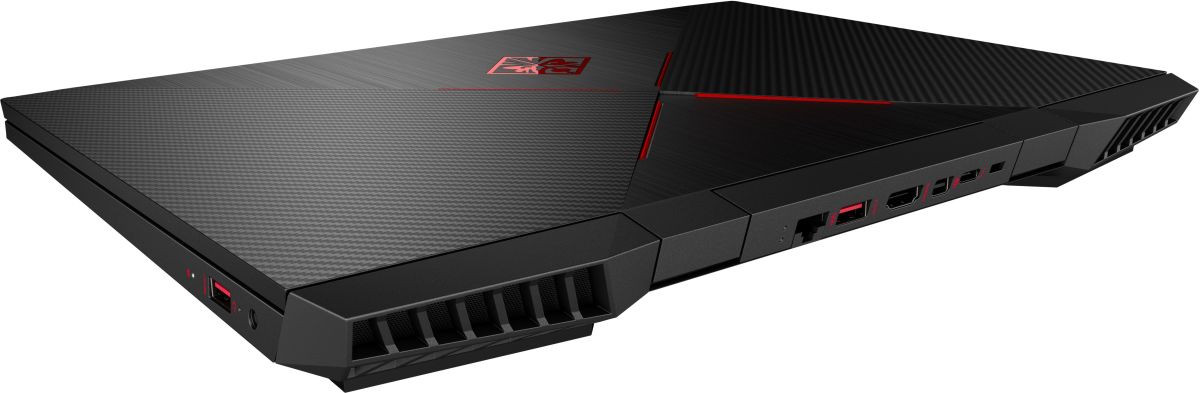
HP OMEN 15-dc0799no RAM upgrade specifications indicate DDR4-SDRAM memory compatibility with maximum capacity of 32 GB. Laptop contains 2x SO-DIMM slots for memory installation. Compatible memory modules operate at 2666 MHz frequency. Upgrade options allow installation of DDR4-SDRAM modules in SO-DIMM form factor to expand total system memory capacity up to specified maximum. HP OMEN 15 series supports standard laptop memory upgrades through accessible SO-DIMM slots.
Memory Upgrade Specifications
| Specification | Value |
|---|---|
| Memory slots | 2x SO-DIMM |
| Form factor | SO-DIMM |
| Memory type | DDR4-SDRAM |
| Frequency | 2666 MHz |
| Maximum RAM | 32 GB |
| Voltage | 1.2V |
| Number of pins | 260-pin |
| Interface | PC4 |
| PC Speed Rating | PC4-2666 (PC4-21328) |
| Bandwidth | 21.3 GB/s |
| Laptop Release date | 13 June 2018 |
Additional Notes
- The 2666 MHz frequency represents the maximum officially supported speed, meaning faster modules rated at 2933 MHz or 3200 MHz will downclock to 2666 MHz if installed.
- The 32 GB maximum capacity indicates a per-slot limit of 16 GB, as 2 slots multiplied by 16 GB equals the stated maximum.
- Both memory slots must be accessed from the bottom panel, requiring removal of screws and potentially voiding seals that may affect warranty status depending on regional consumer protection laws.
- SO-DIMM form factor physically prevents installation of standard desktop DIMM modules due to different pin counts and physical dimensions.
- Dual-channel performance requires matched pairs, meaning a single module upgrade will operate in single-channel mode with approximately half the memory bandwidth.
- DDR4-SDRAM operates at 1.2 volts standard, meaning DDR3 or DDR3L modules are electrically and physically incompatible despite similar physical appearance.
- The OMEN gaming designation suggests the system likely contains a dedicated GPU, which makes adequate system RAM more critical as VRAM resources remain separate.
- Mixing modules of different capacities between slots is electrically possible but may prevent dual-channel operation or force the system to run in flex mode with reduced bandwidth for the unpaired capacity.
- Operating frequency is determined by the memory controller in the CPU, meaning the 2666 MHz specification is a platform limitation rather than a BIOS-adjustable setting.
- The presence of exactly 2 slots indicates no embedded soldered memory, allowing complete replacement of factory-installed modules without wasting existing RAM.