HP OMEN 15-dc0977nd RAM upgrade specifications




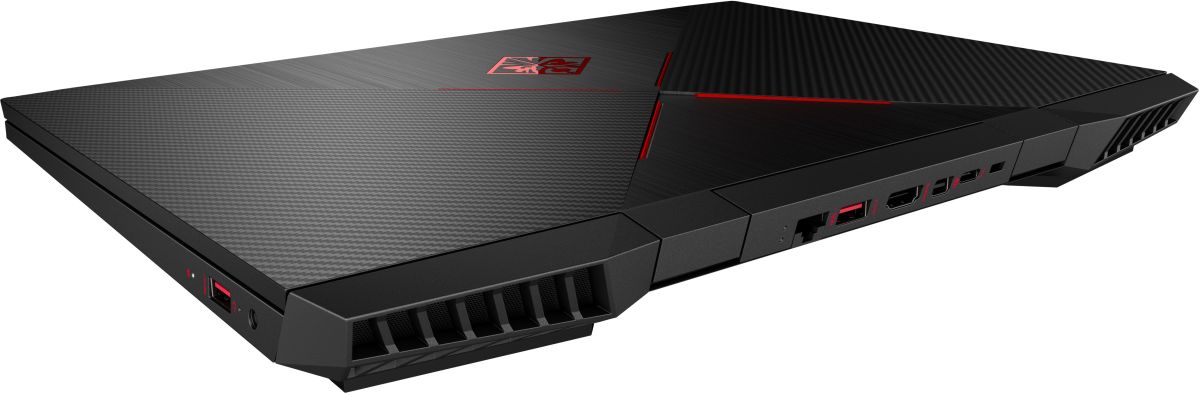
HP OMEN 15-dc0977nd RAM upgrade specifications include DDR4-SDRAM memory compatible with 2x SO-DIMM slots. Maximum capacity reaches 32 GB total memory. Compatible modules operate at 2666 MHz frequency. Upgrade slots support SO-DIMM form factor memory modules. Specifications enable memory expansion for enhanced laptop performance and multitasking capabilities on the HP OMEN 15 series gaming platform.
Memory Upgrade Specifications
| Specification | Value |
|---|---|
| Memory slots | 2x SO-DIMM |
| Form factor | SO-DIMM |
| Memory type | DDR4-SDRAM |
| Frequency | 2666 MHz |
| Maximum RAM | 32 GB |
| Voltage | 1.2V |
| Number of pins | 260-pin |
| Interface | PC4 |
| PC Speed Rating | PC4-2666 (PC4-21328) |
| Bandwidth | 21.3 GB/s |
| Laptop Release date | 08 June 2018 |
Additional Notes
- The 2666 MHz specification represents the maximum officially supported speed, meaning faster modules will downclock to this frequency regardless of their rated capabilities.
- DDR4 SO-DIMM modules operate at 1.2V standard voltage, while DDR3 modules use incompatible pinouts and higher voltages that could damage the system if installation were physically possible.
- The 32 GB maximum limit requires 2 modules of 16 GB each, as single 32 GB SO-DIMM modules exceed the memory controller's per-slot addressing capability.
- Mixed-capacity configurations remain functional but disable dual-channel operation for the amount exceeding the smaller module, reducing memory bandwidth for that portion.
- Non-matching frequencies between installed modules force both to operate at the speed of the slower module, eliminating any performance benefit from the faster component.
- Mismatched CAS latency timings between modules cause the memory controller to apply the looser (higher) timing values to both sticks, potentially degrading responsiveness.
- The SO-DIMM form factor measures 67.6mm in length compared to standard DIMM's 133.35mm, making desktop memory modules physically incompatible regardless of electrical specifications.
- Single-channel operation with 1 occupied slot halves theoretical memory bandwidth compared to dual-channel configuration with matched modules in both slots.
- The Intel or AMD chipset determines whether non-standard frequencies like 2400 MHz or 2933 MHz modules will function, typically downclocking to the nearest supported JEDEC standard.
- RAM replacement on OMEN 15 models typically requires bottom panel removal without voiding warranty, as memory slots are classified as user-accessible components under most regional consumer protection regulations.
- Mixing different memory ranks (single-rank and dual-rank modules) may function but can introduce stability issues or force lower speeds depending on the integrated memory controller's capabilities.
- ECC SO-DIMM modules designed for workstation laptops will physically fit but remain incompatible due to consumer-grade chipsets lacking error-correction circuitry.