HP Probook 430 G6 (4x 5TK77EA) RAM upgrade specifications
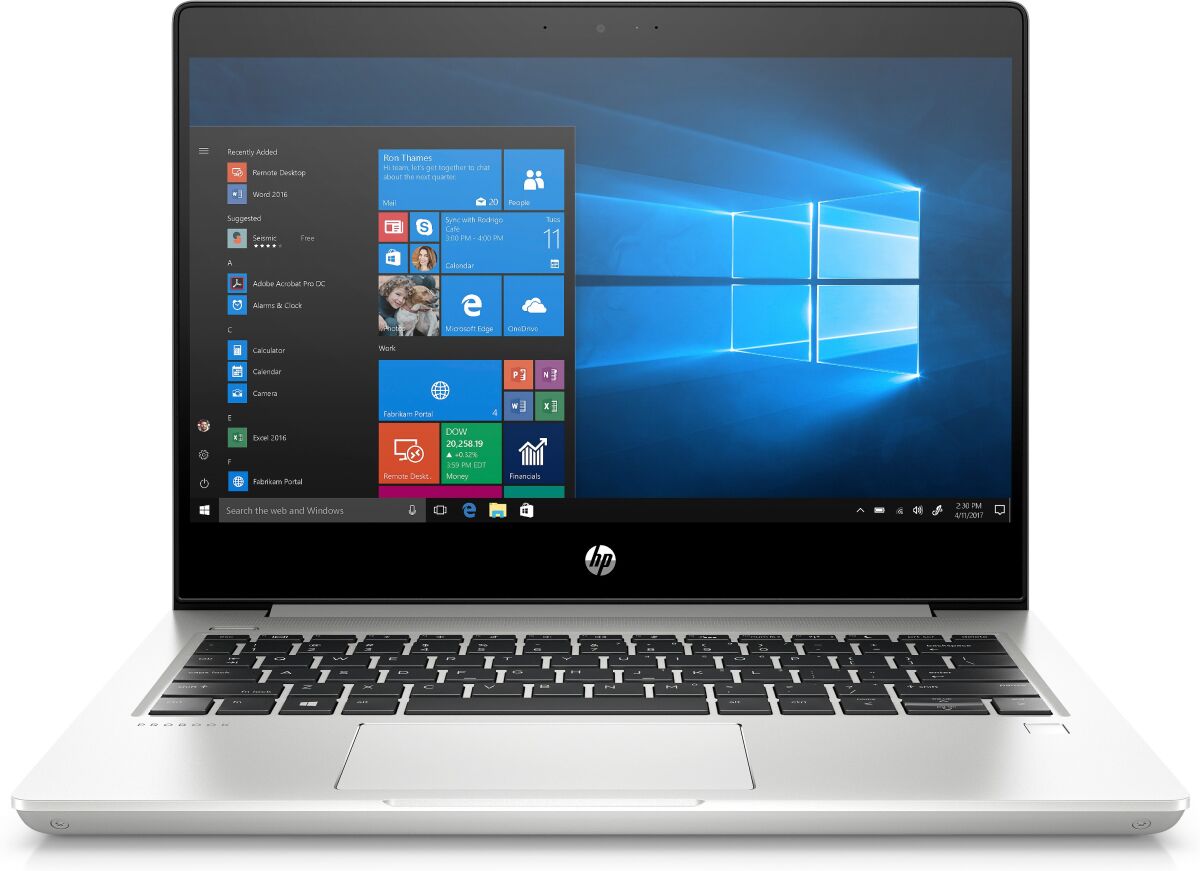
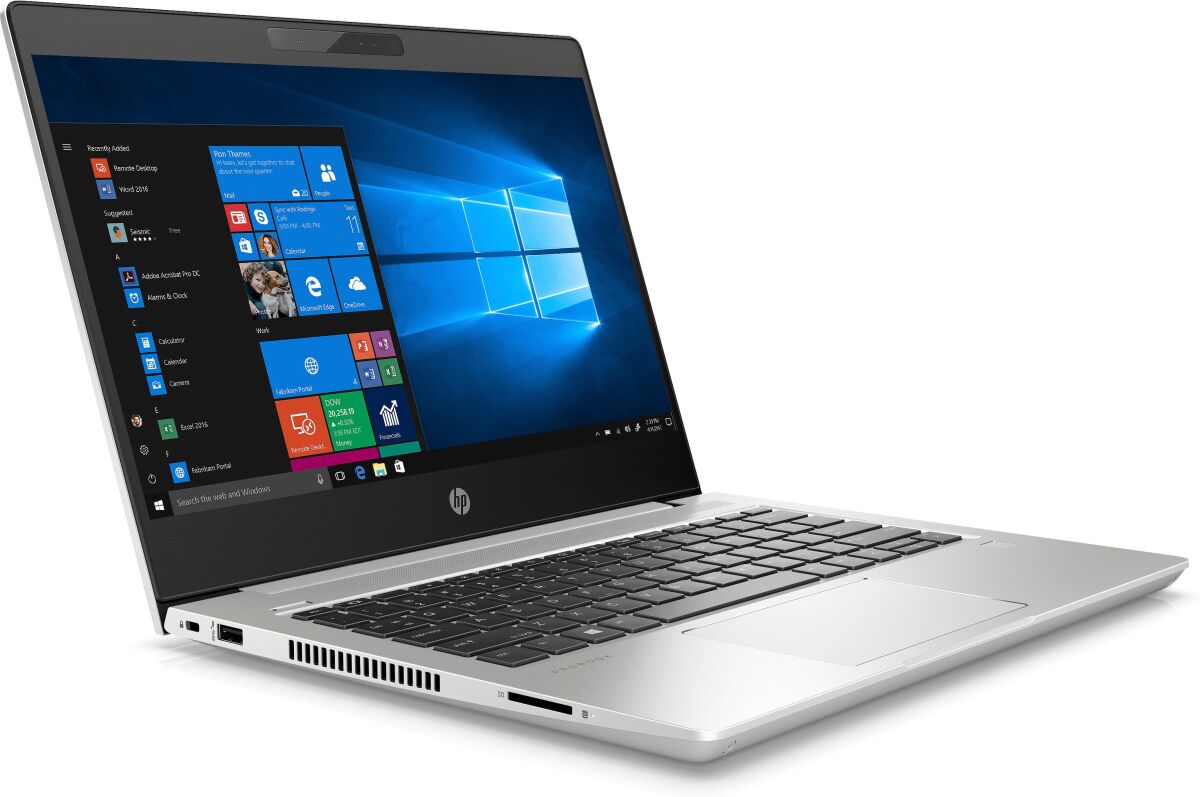
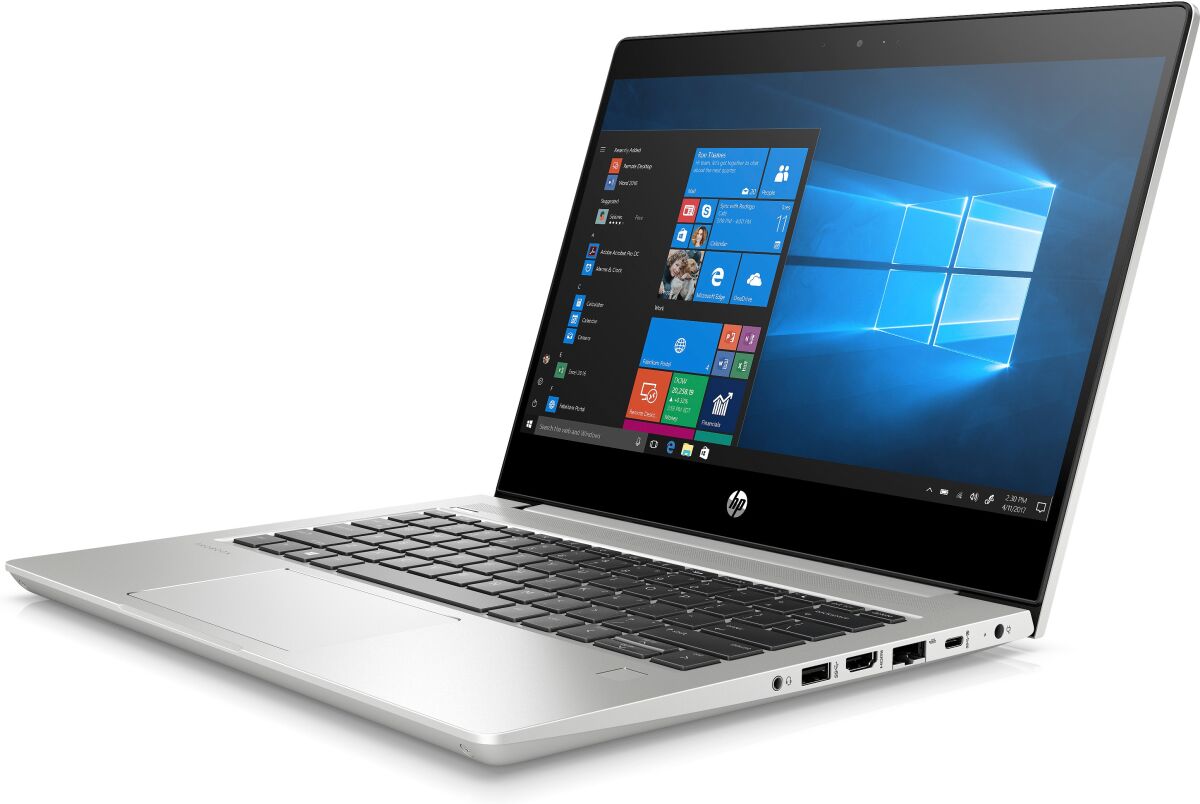
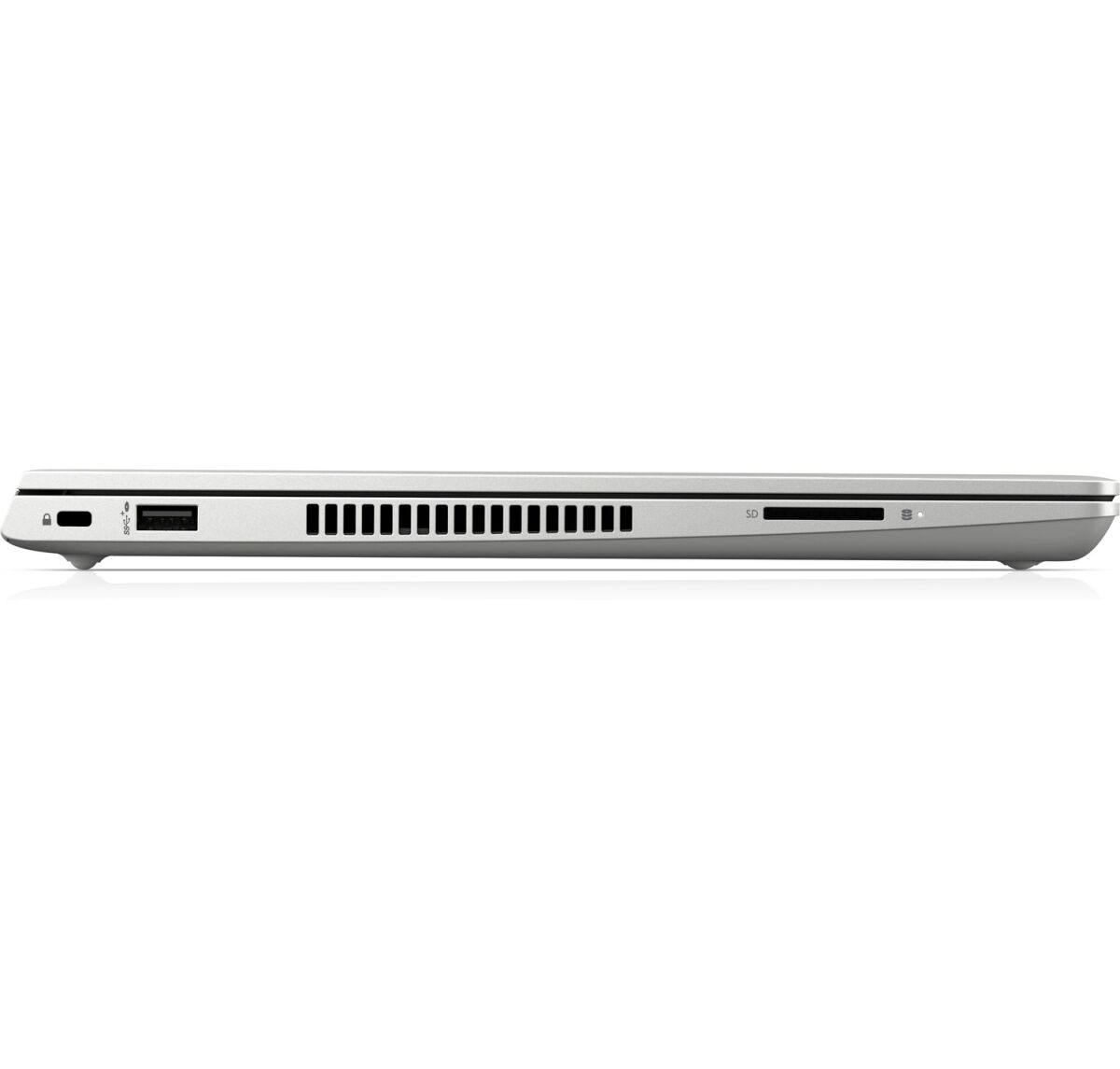
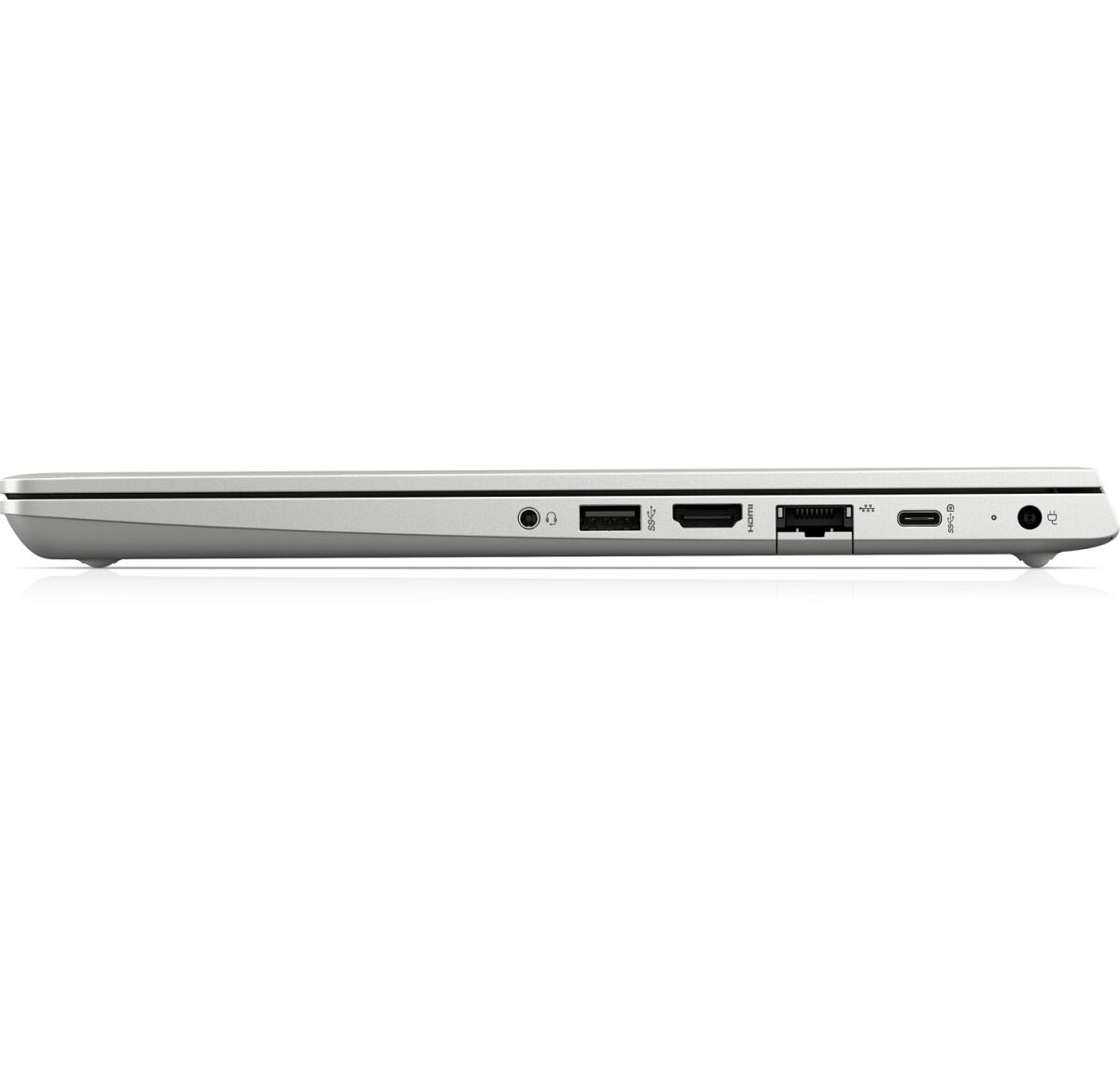
HP ProBook 430 G6 (4x 5TK77EA) RAM upgrade specifications: DDR4-SDRAM memory compatible with 2x SO-DIMM slots supporting maximum 32 GB capacity. Frequency operates at 2400 MHz. Memory upgrade utilizes SO-DIMM form factor modules. Compatible memory configurations accommodate various capacity combinations within specifications maximum limit. Detailed specifications enable accurate memory module selection for ProBook 430 G6 models requiring RAM expansion or replacement.
Memory Upgrade Specifications
| Specification | Value |
|---|---|
| Memory slots | 2x SO-DIMM |
| Form factor | SO-DIMM |
| Memory type | DDR4-SDRAM |
| Frequency | 2400 MHz |
| Maximum RAM | 32 GB |
| Voltage | 1.2V |
| Number of pins | 260-pin |
| Interface | PC4 |
| PC Speed Rating | PC4-2400 (PC4-19200) |
| Bandwidth | 19.2 GB/s |
| Laptop Release date | 13 July 2019 |
Additional Notes
- The HP ProBook 430 G6 chipset architecture limits memory frequency to 2400 MHz, meaning modules rated at higher speeds such as 2666 MHz or 3200 MHz will automatically downclock to match this ceiling, offering no performance advantage over native 2400 MHz modules.
- Dual-channel operation requires matched module installation in both SO-DIMM slots, as occupying only one slot halves available memory bandwidth and reduces integrated graphics performance due to single-channel configuration.
- The 32 GB maximum capacity enforces a 16 GB per-slot limitation, preventing the use of 32 GB individual modules despite their physical compatibility with the DDR4 SO-DIMM interface.
- Mixing modules with different densities or timings may force the memory controller to operate all installed RAM at the lowest common specification, potentially degrading system performance below the capabilities of faster modules.
- SO-DIMM installation requires bottom panel removal, which may involve breaking warranty seals depending on regional service policies and whether the access panel qualifies as user-serviceable under manufacturer guidelines.
- Non-ECC unbuffered modules represent the only compatible DDR4 type for this platform, as the mobile chipset lacks Error-Correcting Code support and registered memory compatibility.
- Operating voltage is fixed at 1.2V standard for DDR4, meaning low-voltage DDR3L modules from previous generation systems are physically and electrically incompatible despite similar SO-DIMM dimensions.
- Single-rank versus dual-rank module topology affects memory interleaving behavior, with dual-rank configurations potentially offering marginal performance improvements in memory-intensive workloads despite identical capacity specifications.