HP Probook 430 G4 RAM upgrade specifications
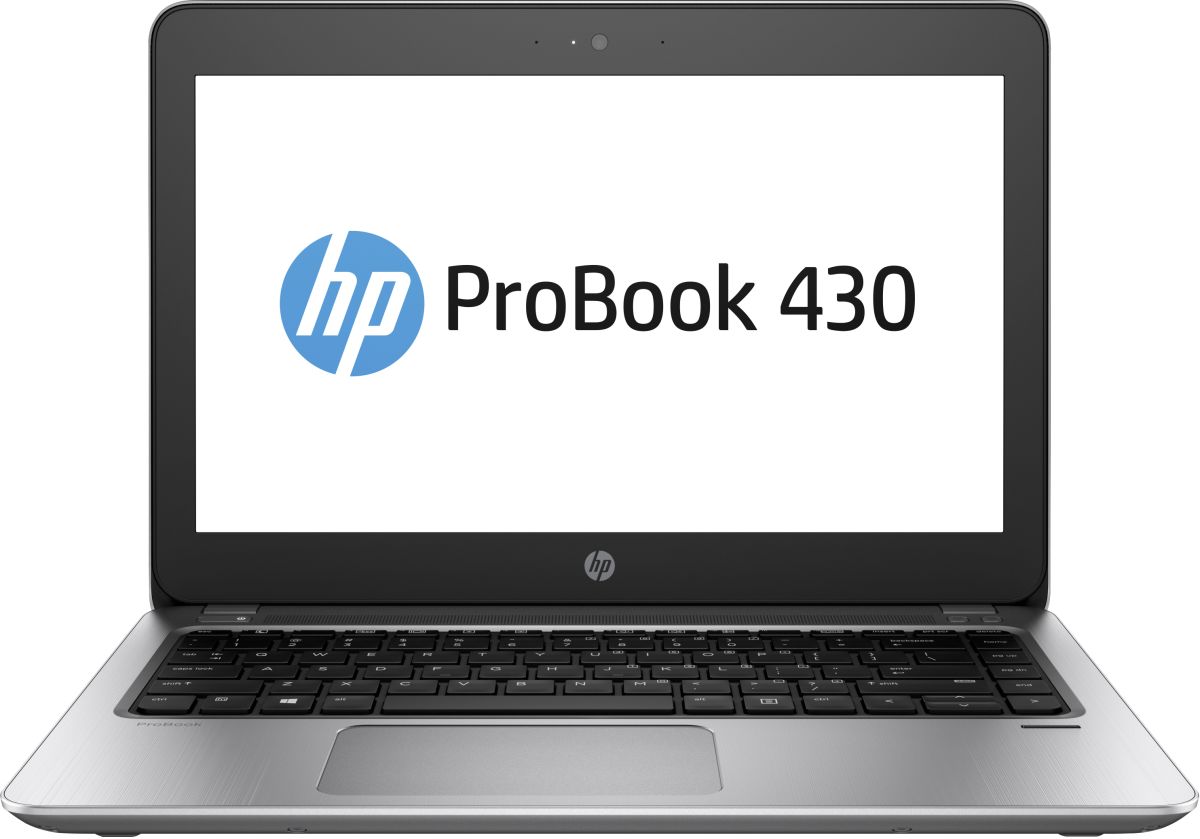
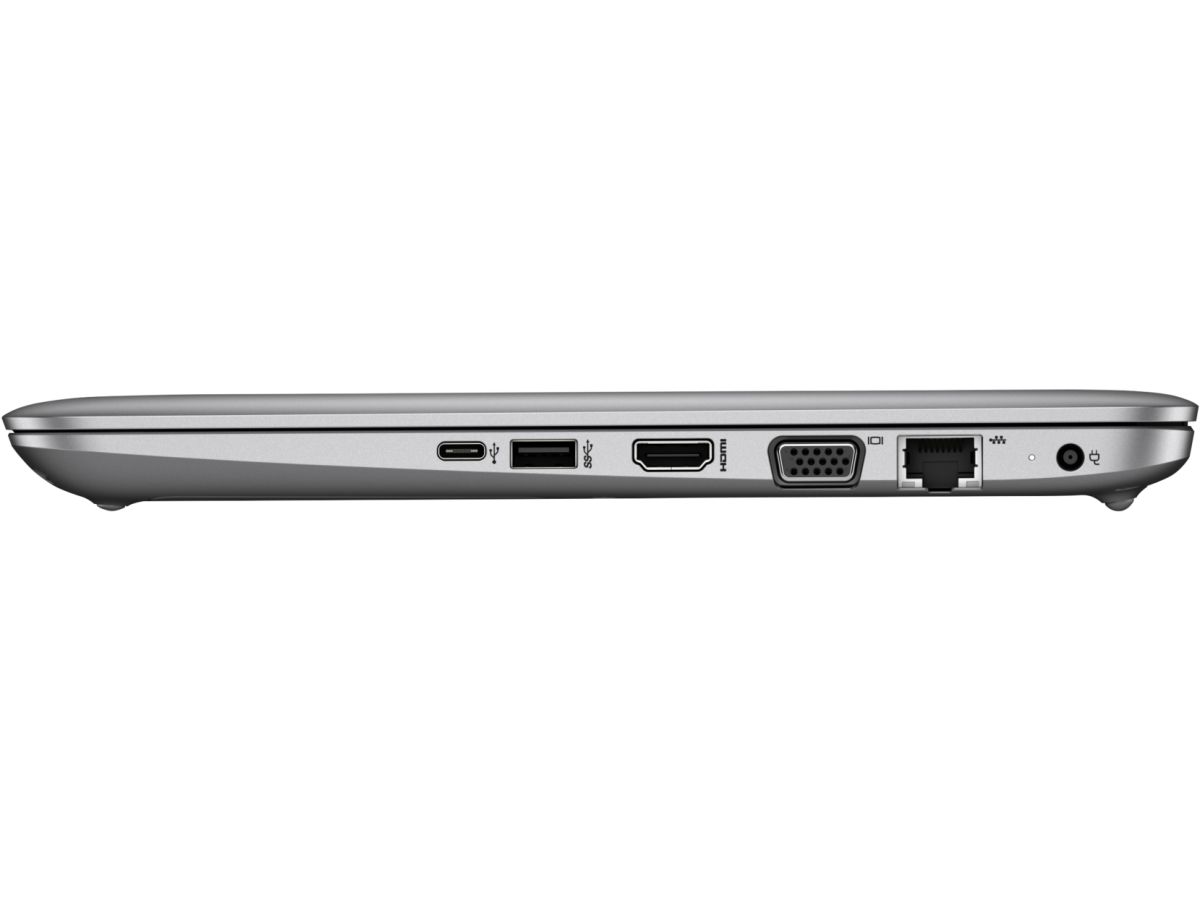
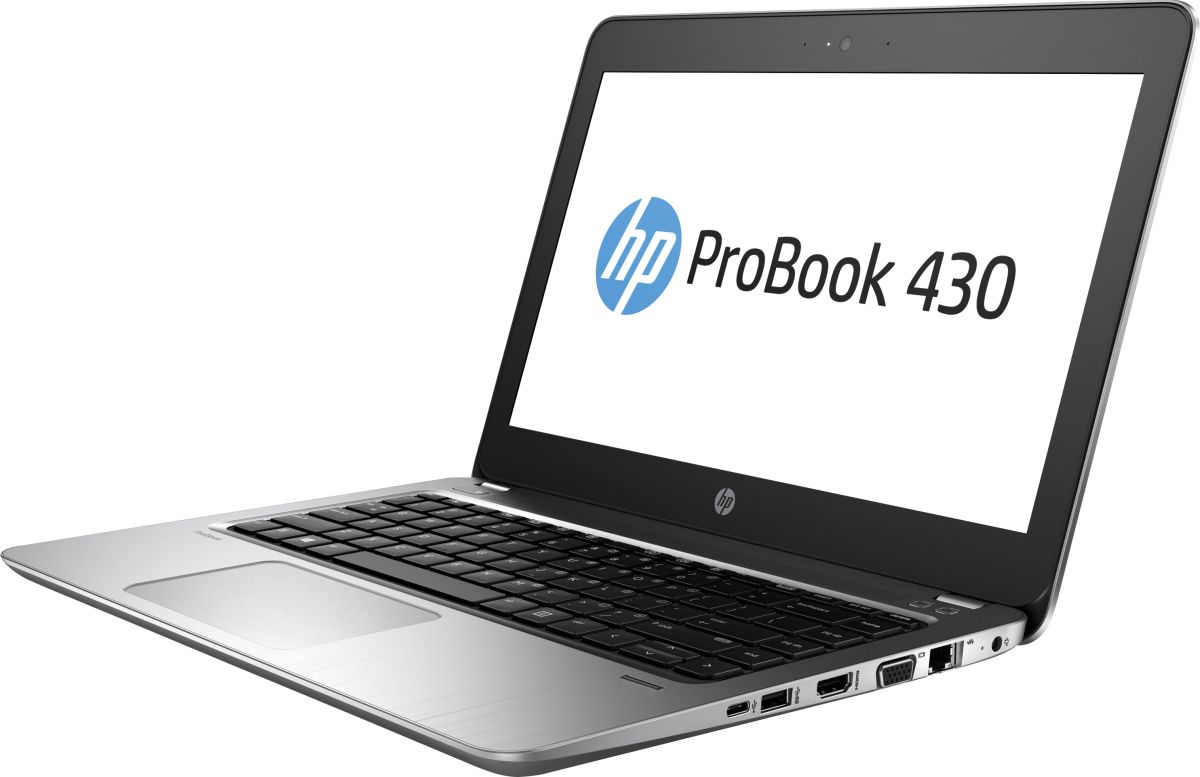
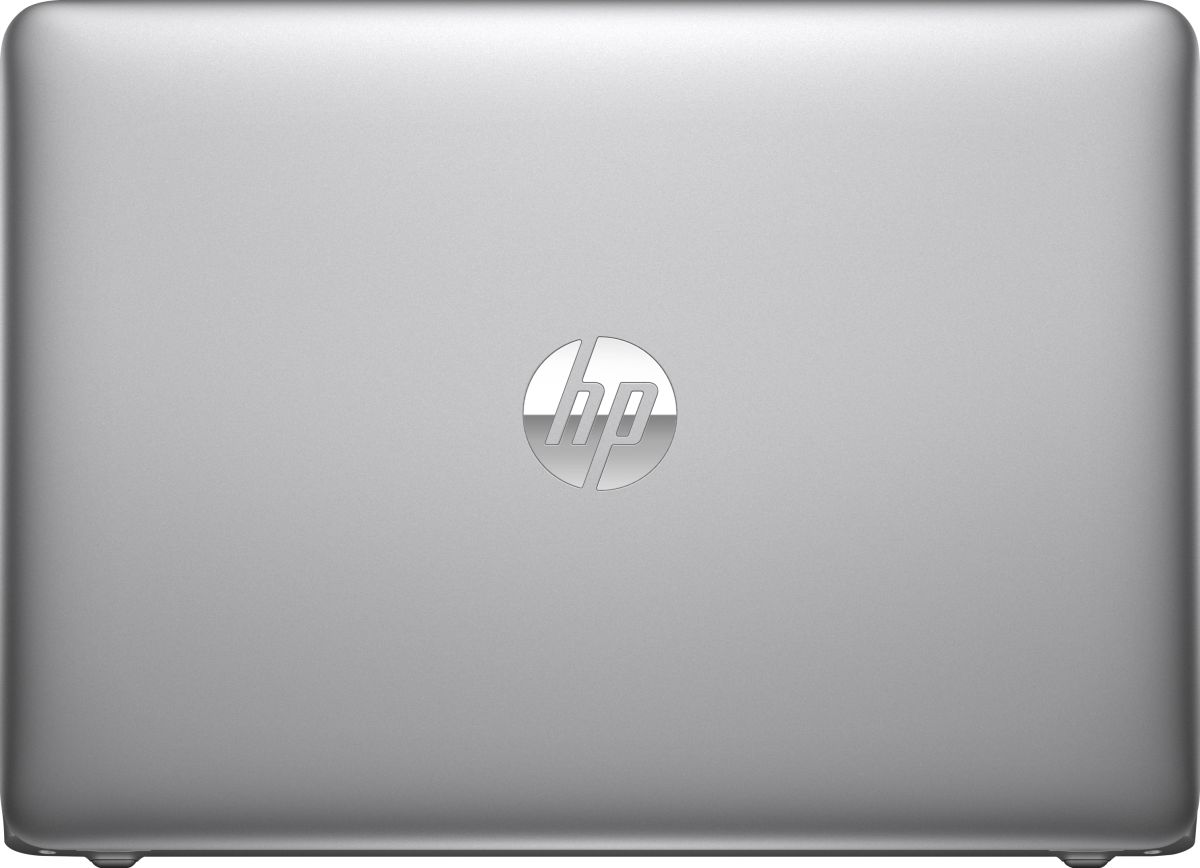
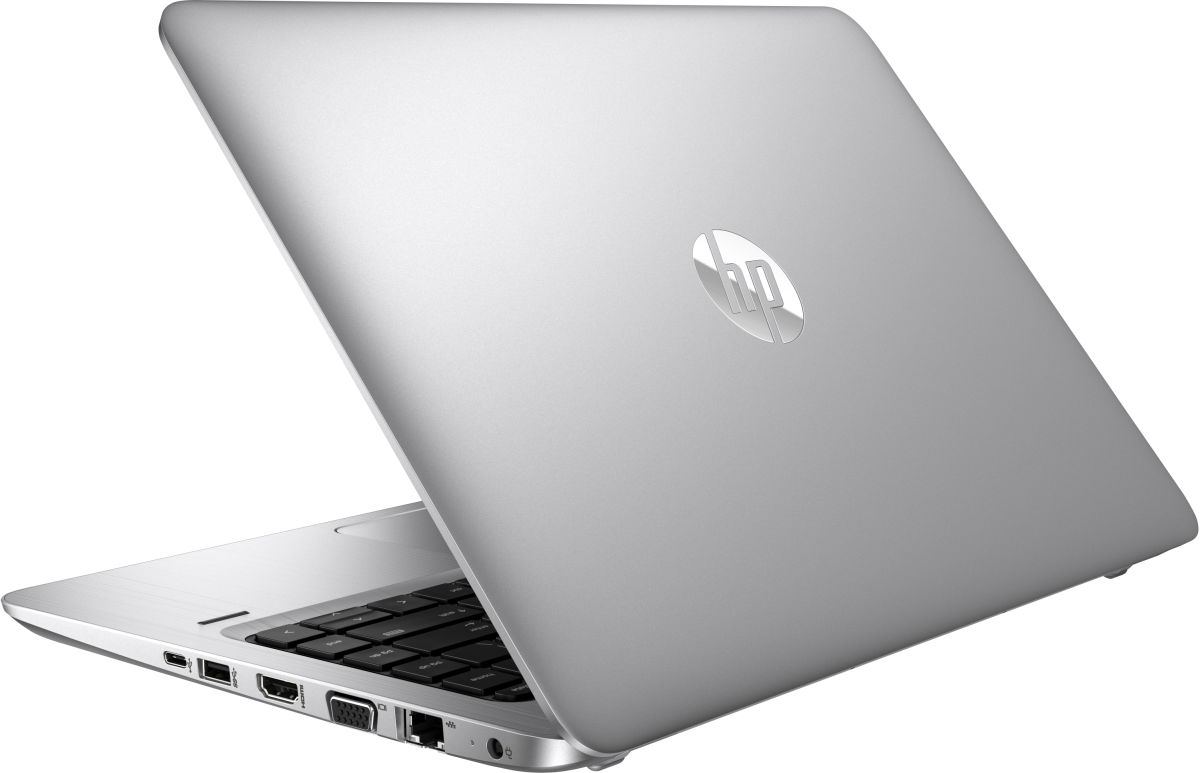
HP ProBook 430 G4 RAM upgrade specifications detail memory expansion capabilities for this business laptop model. The system features two SO-DIMM slots supporting DDR4-SDRAM memory modules operating at 2133 MHz frequency. Maximum RAM capacity reaches 16 GB when both slots are populated with compatible upgrades. SO-DIMM form factor specifications ensure proper physical and electrical compatibility with this HP ProBook 400 series model. Memory upgrade options enable enhanced multitasking performance and application responsiveness by expanding available system RAM beyond factory-installed capacity.
Memory Upgrade Specifications
| Specification | Value |
|---|---|
| Memory slots | 2x SO-DIMM |
| Form factor | SO-DIMM |
| Memory type | DDR4-SDRAM |
| Frequency | 2133 MHz |
| Maximum RAM | 16 GB |
| Voltage | 1.2V |
| Number of pins | 260-pin |
| Interface | PC4 |
| PC Speed Rating | PC4-2133 (PC4-17064) |
| Bandwidth | 17.1 GB/s |
| Laptop Release date | 09 November 2016 |
Additional Notes
- The HP ProBook 430 G4 architecture limits total system memory to 16 GB due to chipset and BIOS addressing constraints, regardless of individual module density.
- DDR4-2133 represents the JEDEC-standard baseline speed for this generation, indicating a 7th generation Intel Core processor platform with single-channel or dual-channel memory controller operation.
- Dual SO-DIMM configuration enables symmetric dual-channel mode when populated with matched module pairs, effectively doubling memory bandwidth from approximately 17 GB/s to 34 GB/s compared to single-module operation.
- SO-DIMM physical dimensions measure 67.6 mm in length versus standard DIMM 133.35 mm, making desktop memory modules mechanically incompatible with this notebook form factor.
- Maximum theoretical bandwidth of 17.06 GB/s per channel at DDR4-2133 may bottleneck graphics operations when using integrated Intel HD Graphics, which shares system memory rather than dedicated VRAM.
- Installing modules rated above 2133 MHz will result in automatic downclocking to 2133 MHz, as the memory controller enforces the maximum supported frequency specification.
- Asymmetric module configurations (mixing different capacities such as 4 GB with 8 GB) will operate in flex mode, running dual-channel only for the matched capacity portion before reverting to single-channel for remaining capacity.
- Bottom panel removal typically requires complete disassembly on this chassis generation, with memory slots accessible only after removing keyboard assembly and palmrest components.
- Non-ECC unbuffered modules represent the only compatible DRAM type, as the mobile chipset lacks error-correction logic and registered DIMM support found in workstation platforms.
- Voltage specification of 1.2V for DDR4 differs from DDR3/DDR3L standards at 1.5V/1.35V, creating absolute incompatibility between generation types despite similar physical connectors.