HP Probook 445 G7 (3x 12X09EA) RAM upgrade specifications

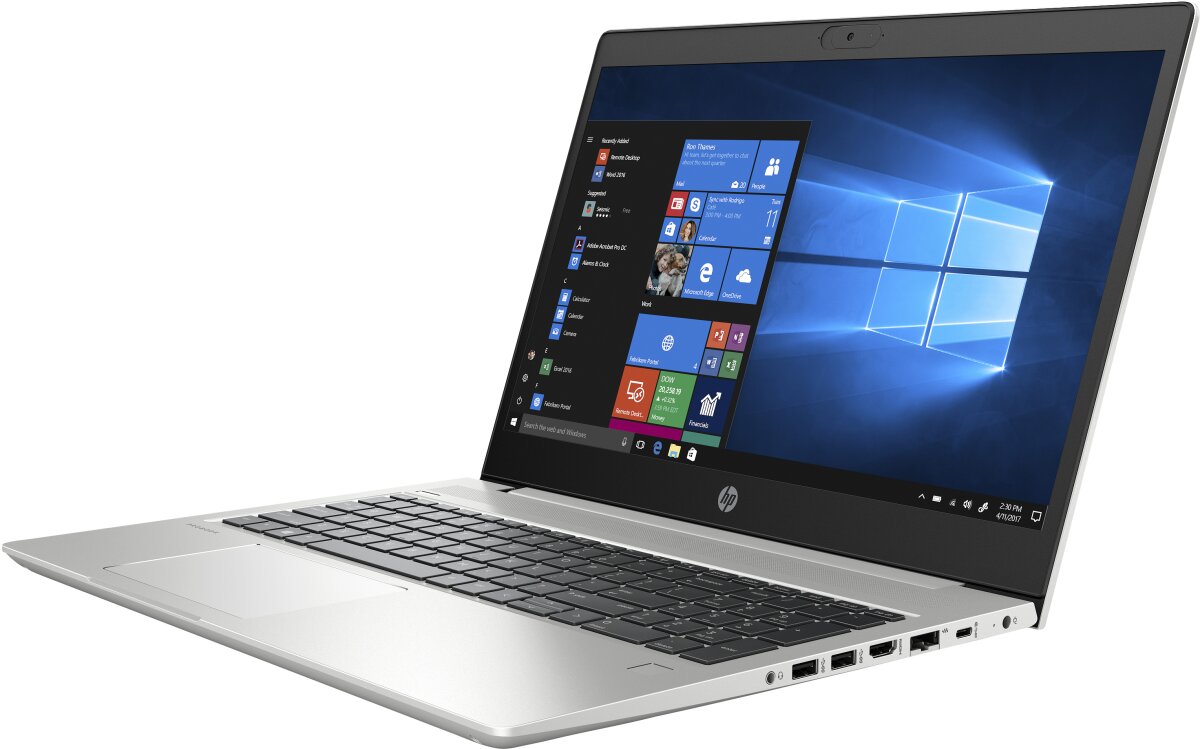

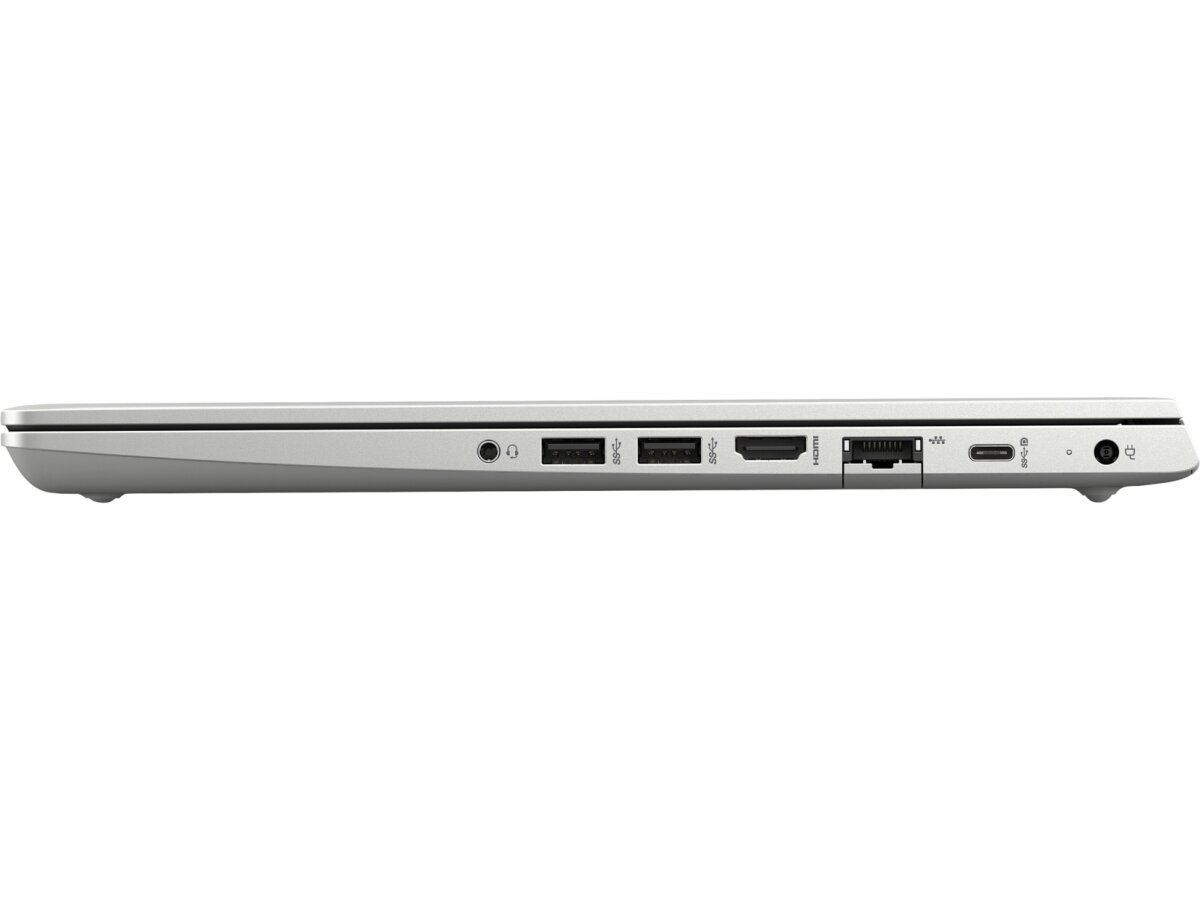
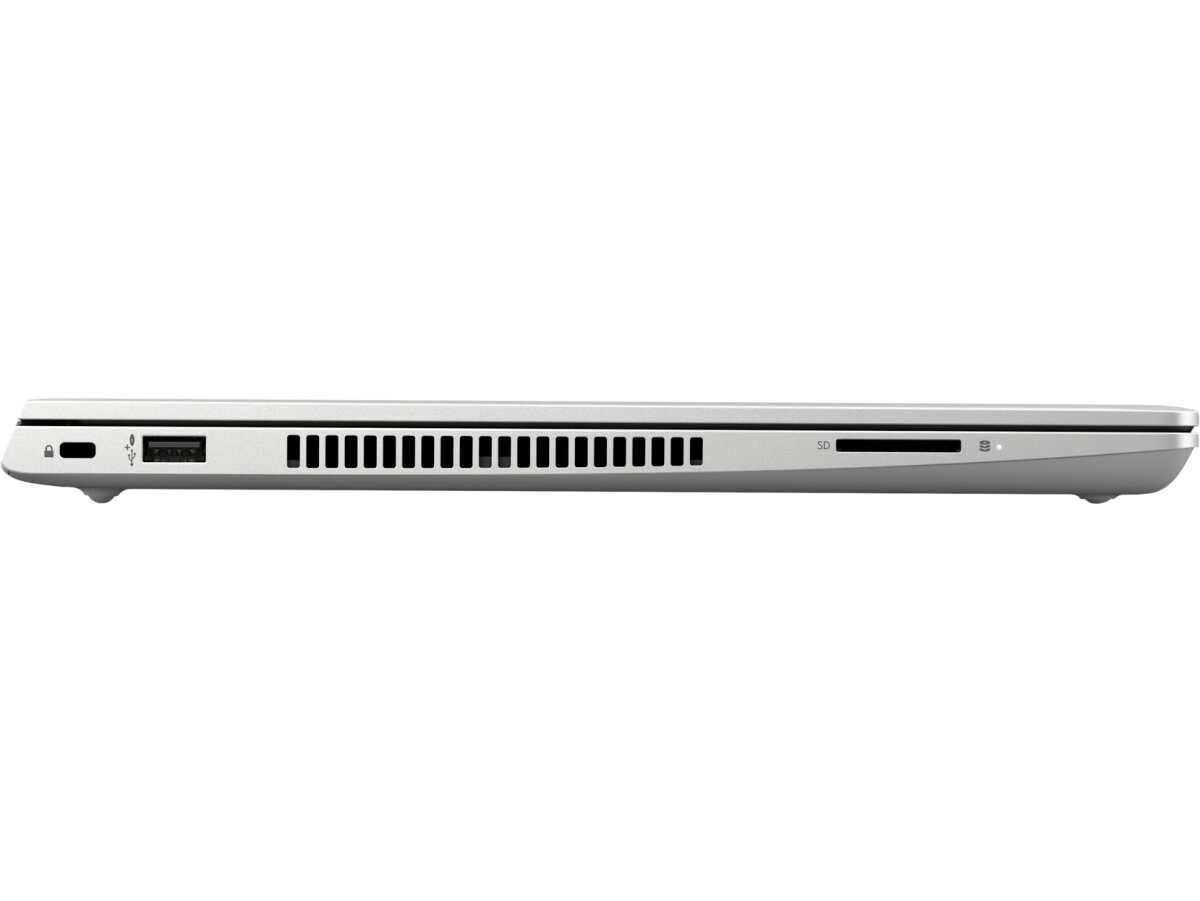
The HP ProBook 445 G7 features DDR4-SDRAM memory configuration with 2x SO-DIMM slots available for upgrade. Maximum memory capacity reaches 16 GB, operating at 2400 MHz frequency. Compatible RAM modules utilize SO-DIMM form factor specifications. Memory upgrade options support standard DDR4 specifications matching the laptop's original equipment manufacturer standards.
Memory Upgrade Specifications
| Specification | Value |
|---|---|
| Memory slots | 2x SO-DIMM |
| Form factor | SO-DIMM |
| Memory type | DDR4-SDRAM |
| Frequency | 2400 MHz |
| Maximum RAM | 16 GB |
| Voltage | 1.2V |
| Number of pins | 260-pin |
| Interface | PC4 |
| PC Speed Rating | PC4-2400 (PC4-19200) |
| Bandwidth | 19.2 GB/s |
| Laptop Release date | 31 May 2020 |
Additional Notes
- The HP ProBook 445 G7 (3x 12X09EA) accepts only standard-height SO-DIMM modules, as low-profile variants are incompatible with notebook memory slots despite sharing the same 260-pin interface.
- The 16 GB ceiling imposes a practical limit of either a single 16 GB module or dual 8 GB modules, with the latter configuration enabling dual-channel operation for improved memory bandwidth.
- DDR4-2400 represents the locked operational speed regardless of module specifications, meaning higher-rated memory (2666 MHz, 3200 MHz) will downclock to match the system's native frequency.
- Dual-channel activation requires identical capacity modules in both slots, as asymmetric configurations (such as 4 GB paired with 8 GB) will either operate in single-channel mode or engage flex mode with reduced performance.
- Non-ECC unbuffered modules are required, as registered or ECC memory types designed for server platforms will fail POST or remain undetected in consumer-grade systems.
- The integrated Ryzen APU shares system memory for graphics processing, effectively reducing available RAM for applications when allocated to the GPU frame buffer.
- Mixing modules from different manufacturers or with different rank configurations (single-rank versus dual-rank) may cause stability issues despite matching speed and capacity specifications.
- Operating voltage is standardized at 1.2V for DDR4, but modules rated for lower voltages will not provide power savings in systems lacking dynamic voltage control.
- Upgrading beyond factory configuration typically preserves warranty status when using JEDEC-compliant modules, though XMP-profiled gaming memory offers no advantage due to absent profile support in business-class firmware.