HP Probook 455 G6 RAM upgrade specifications
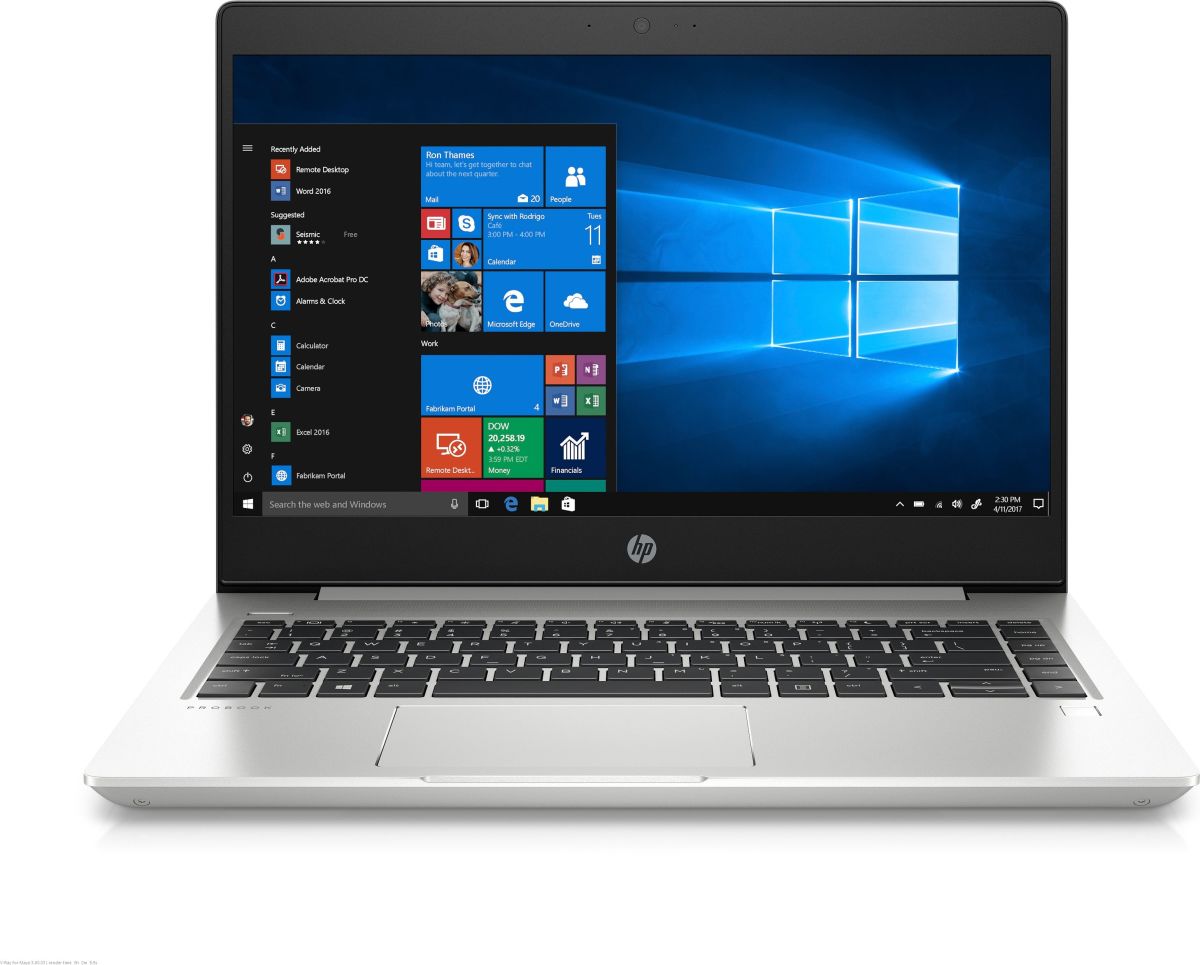
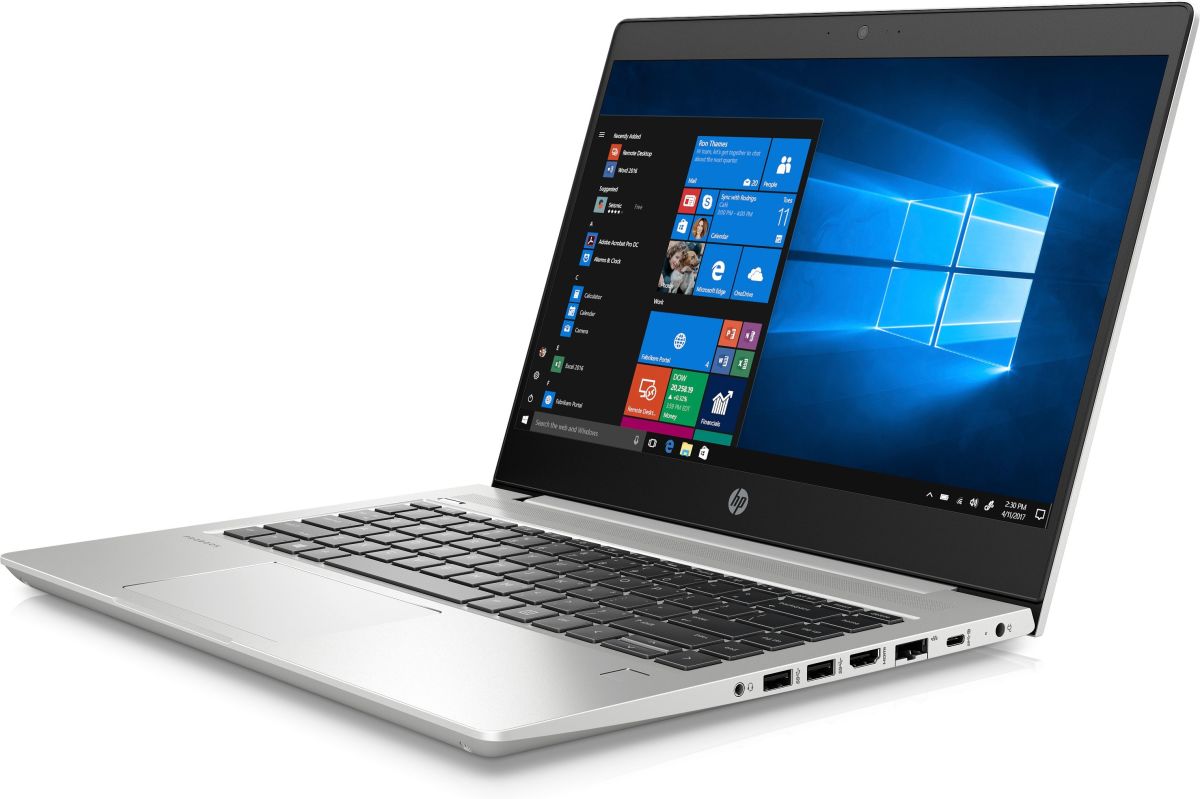
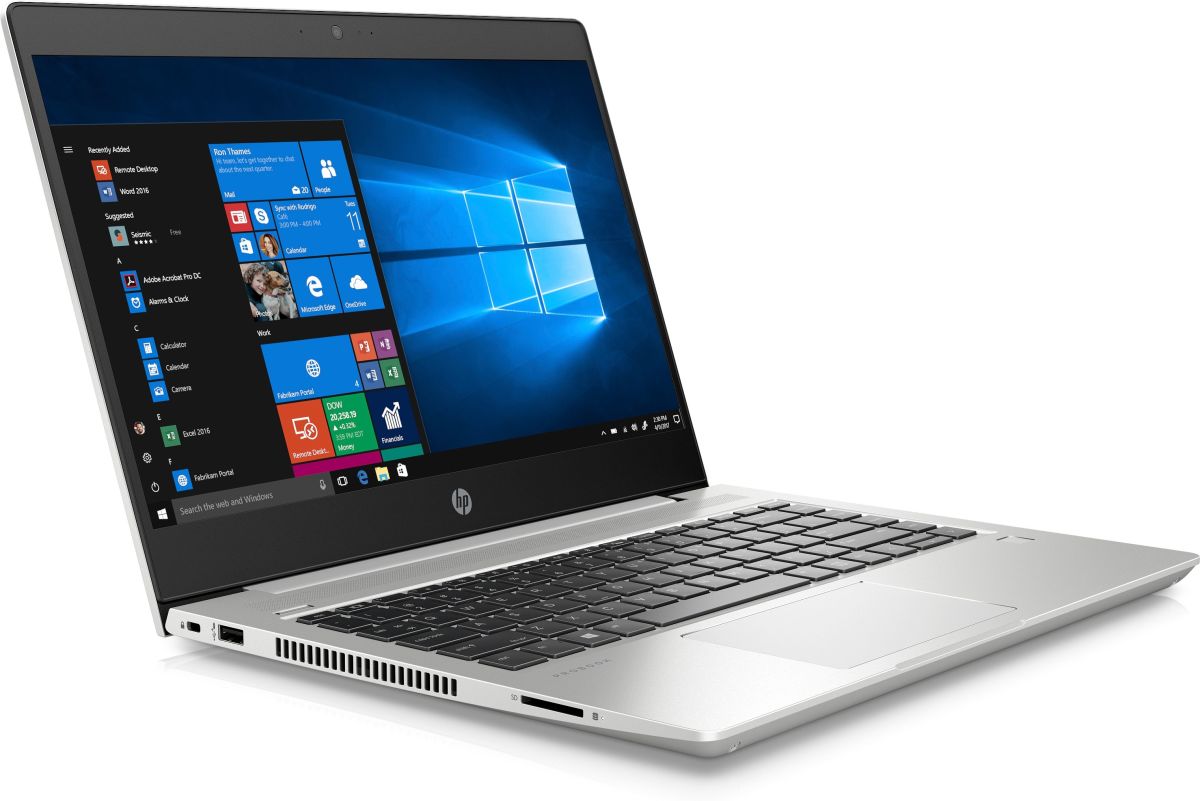
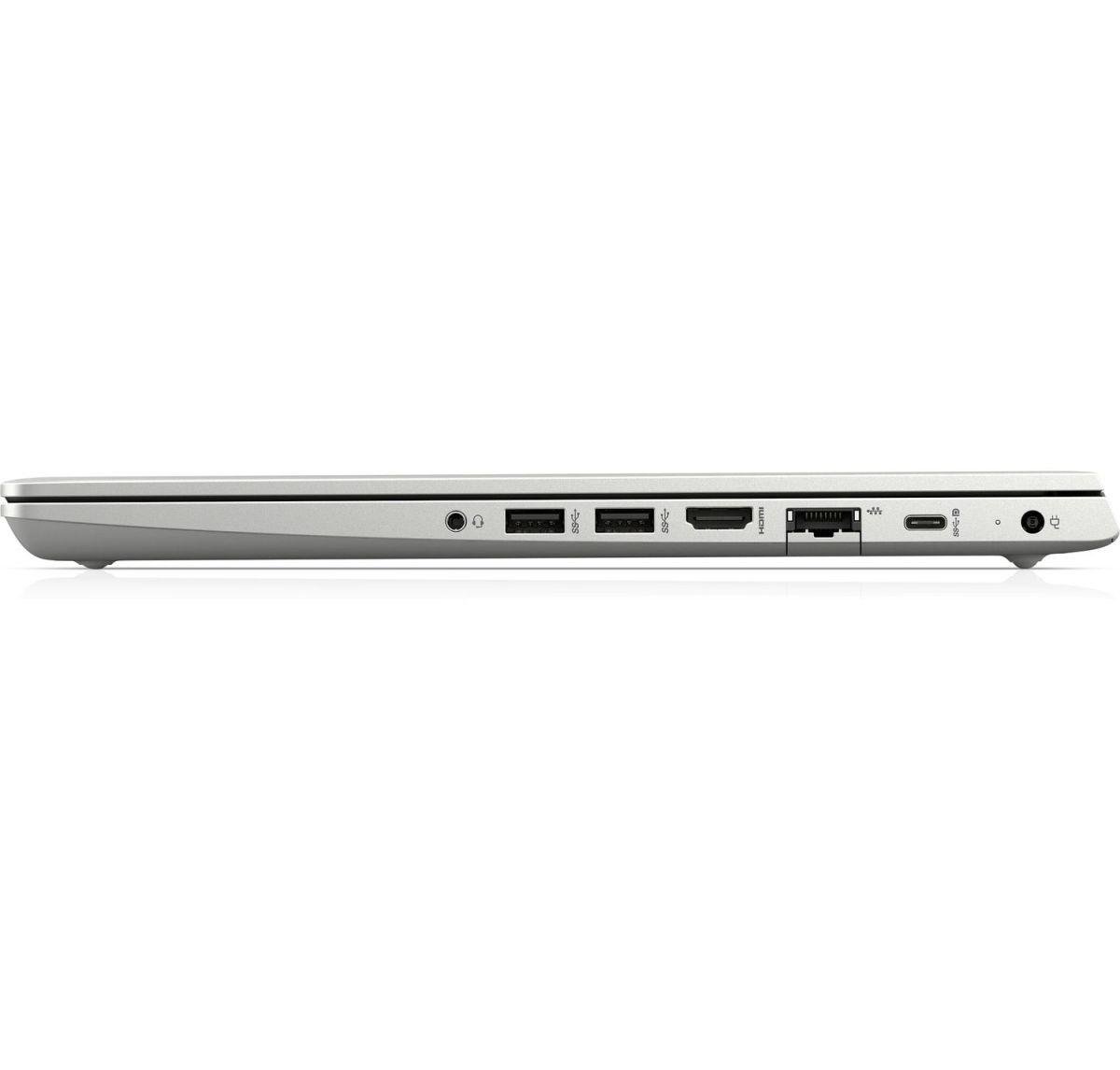
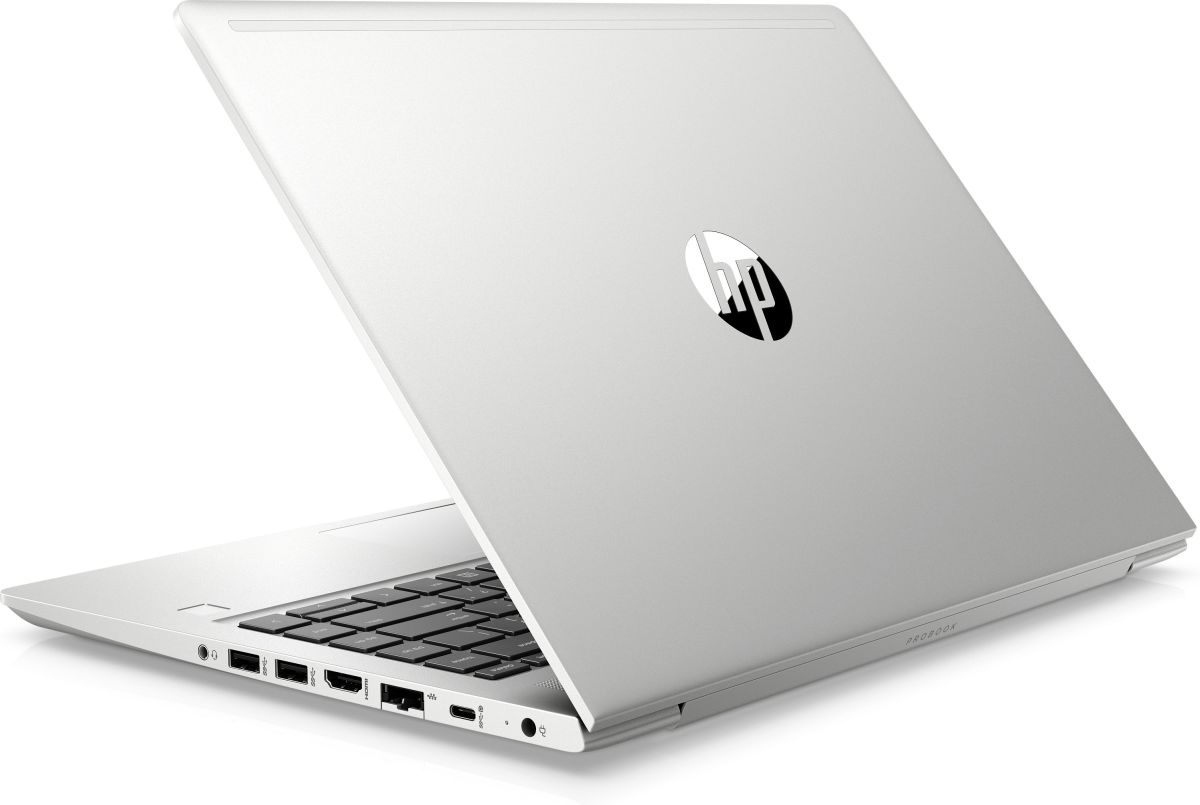
HP Probook 455 G6 laptop memory upgrade specifications include two SO-DIMM slots supporting DDR4-SDRAM memory modules. Maximum RAM capacity reaches 16 GB total across both slots. Compatible memory operates at 2400 MHz frequency. Upgrade specifications indicate SO-DIMM form factor for memory module compatibility. Standard configurations support capacity expansion up to maximum specifications through compatible DDR4 memory upgrades in available slots.
Memory Upgrade Specifications
| Specification | Value |
|---|---|
| Memory slots | 2x SO-DIMM |
| Form factor | SO-DIMM |
| Memory type | DDR4-SDRAM |
| Frequency | 2400 MHz |
| Maximum RAM | 16 GB |
| Voltage | 1.2V |
| Number of pins | 260-pin |
| Interface | PC4 |
| PC Speed Rating | PC4-2400 (PC4-19200) |
| Bandwidth | 19.2 GB/s |
| Laptop Release date | 31 March 2019 |
Additional Notes
- The HP ProBook 455 G6 restricts total memory capacity to 16 GB across both slots, limiting module pairing to either 2x8 GB or asymmetric configurations like 4 GB plus 12 GB.
- Installing a single module disables dual-channel operation, reducing memory bandwidth by approximately 50 percent compared to matched pairs.
- Modules rated above 2400 MHz will downclock to match the chipset's maximum supported frequency, offering no performance advantage despite higher cost.
- SO-DIMM form factor physically differs from standard desktop DIMM modules, making consumer desktop memory incompatible regardless of speed or capacity ratings.
- DDR3 modules are electrically incompatible with DDR4 slots due to different notch positions and voltage requirements, preventing physical insertion and avoiding damage.
- Access to memory slots typically requires removing the bottom service panel, which may void warranty seals depending on regional service policies.
- Mixing modules with different latency timings forces both modules to operate at the slower timing specification, potentially degrading responsiveness in memory-intensive applications.
- The 16 GB ceiling may constrain virtual machine deployment, limiting simultaneous instances when allocating 4 GB or more per guest operating system.
- Non-ECC unbuffered modules are required; server-grade ECC or registered memory will either fail POST checks or remain unrecognized by the system BIOS.
- Operating modules beyond JEDEC standard voltage specifications increases thermal output within the confined laptop chassis, potentially triggering thermal throttling under sustained workloads.