HP Probook 455 G10 RAM upgrade specifications
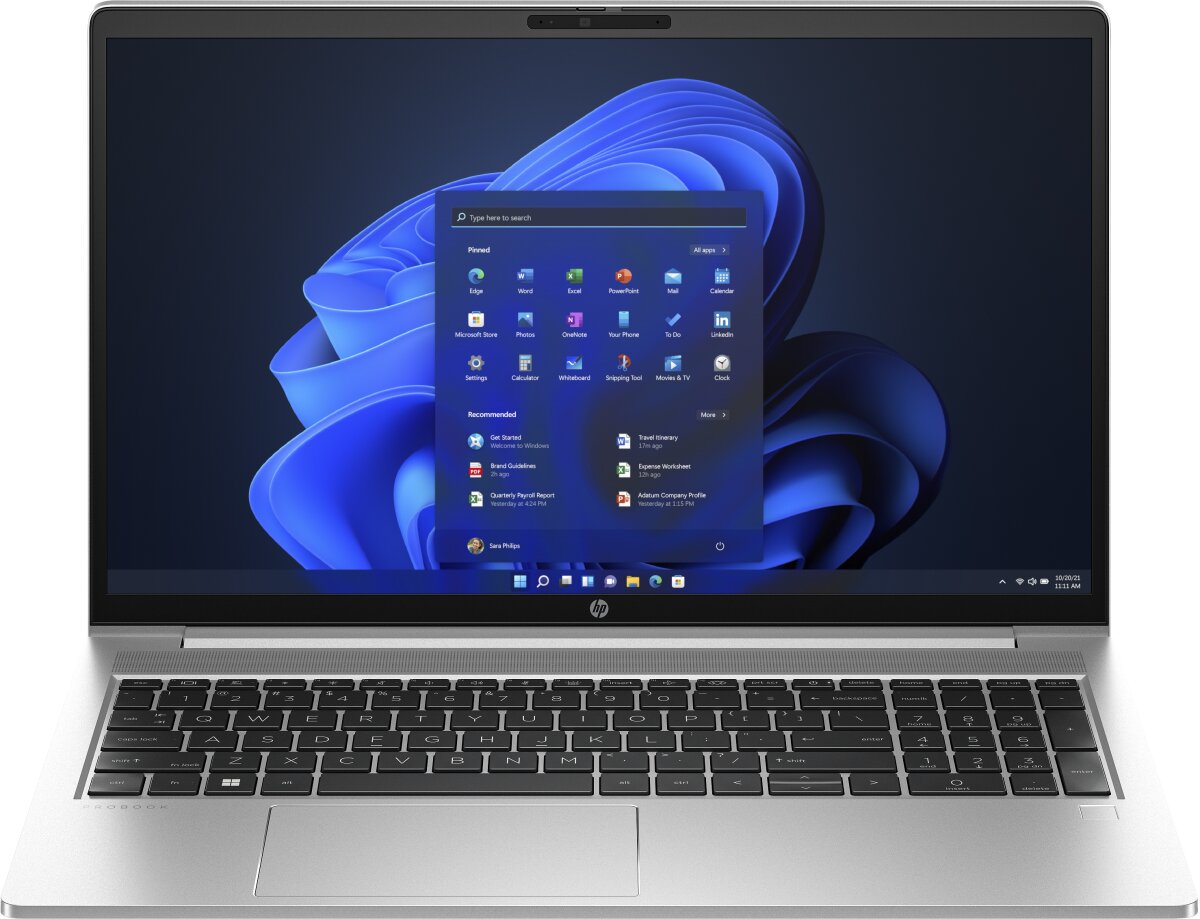
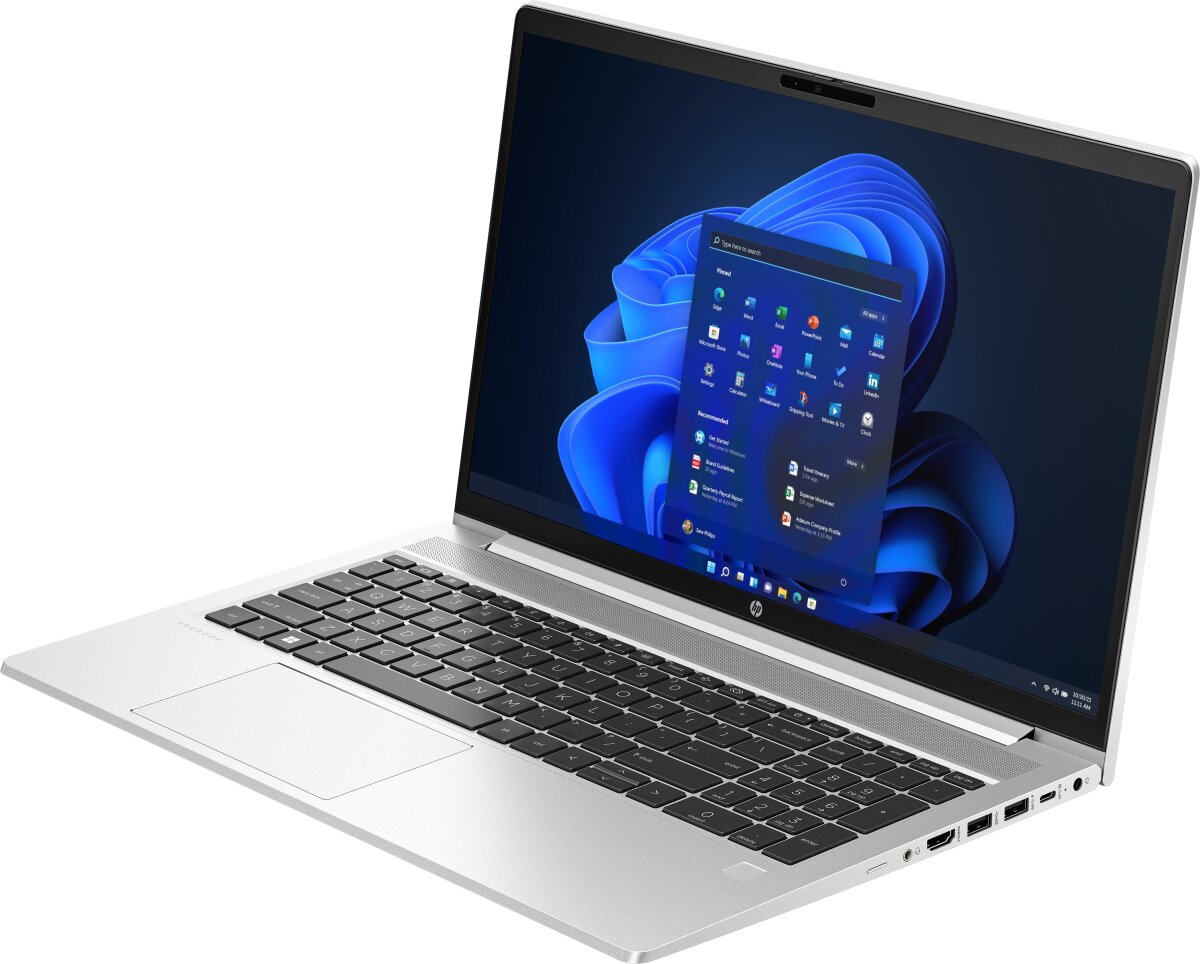
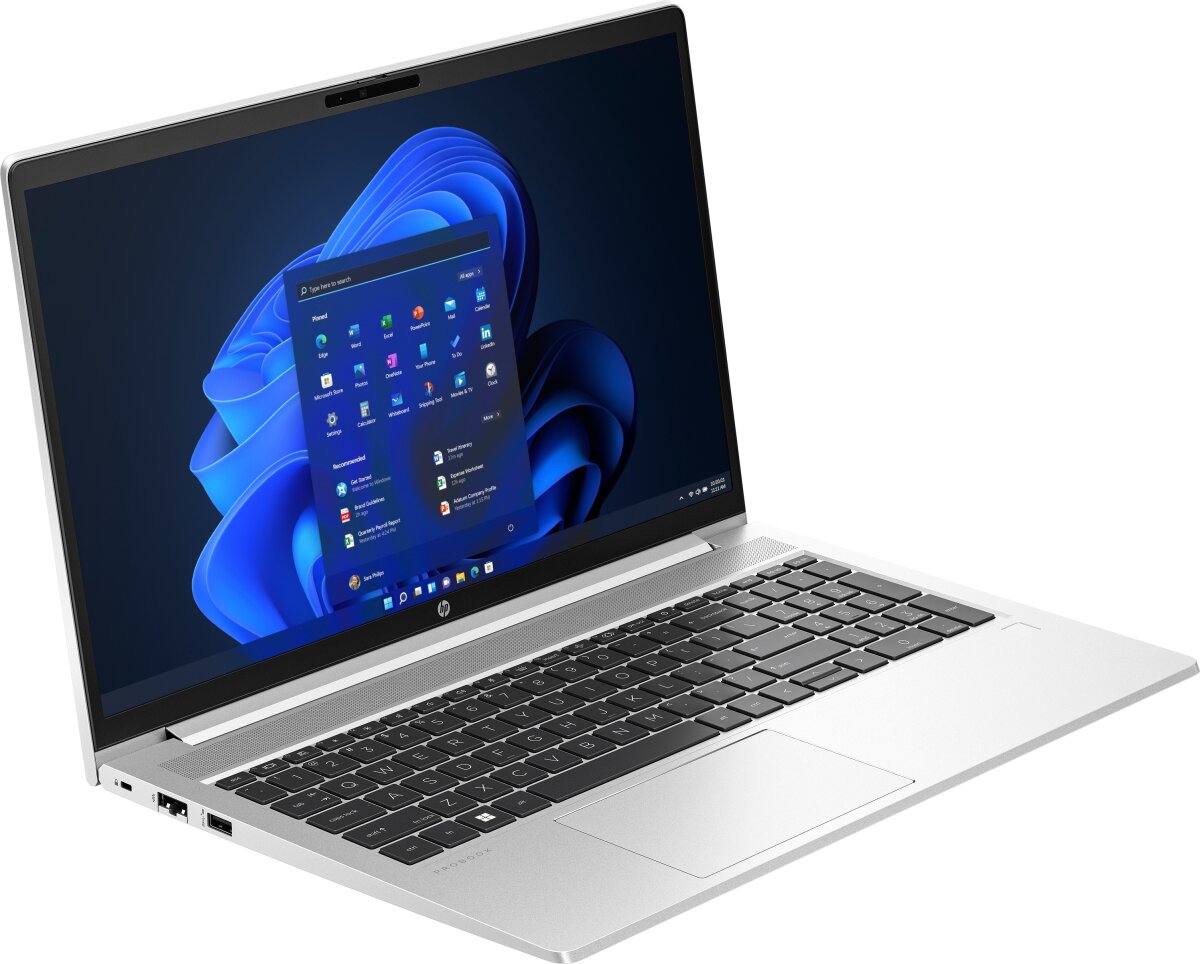

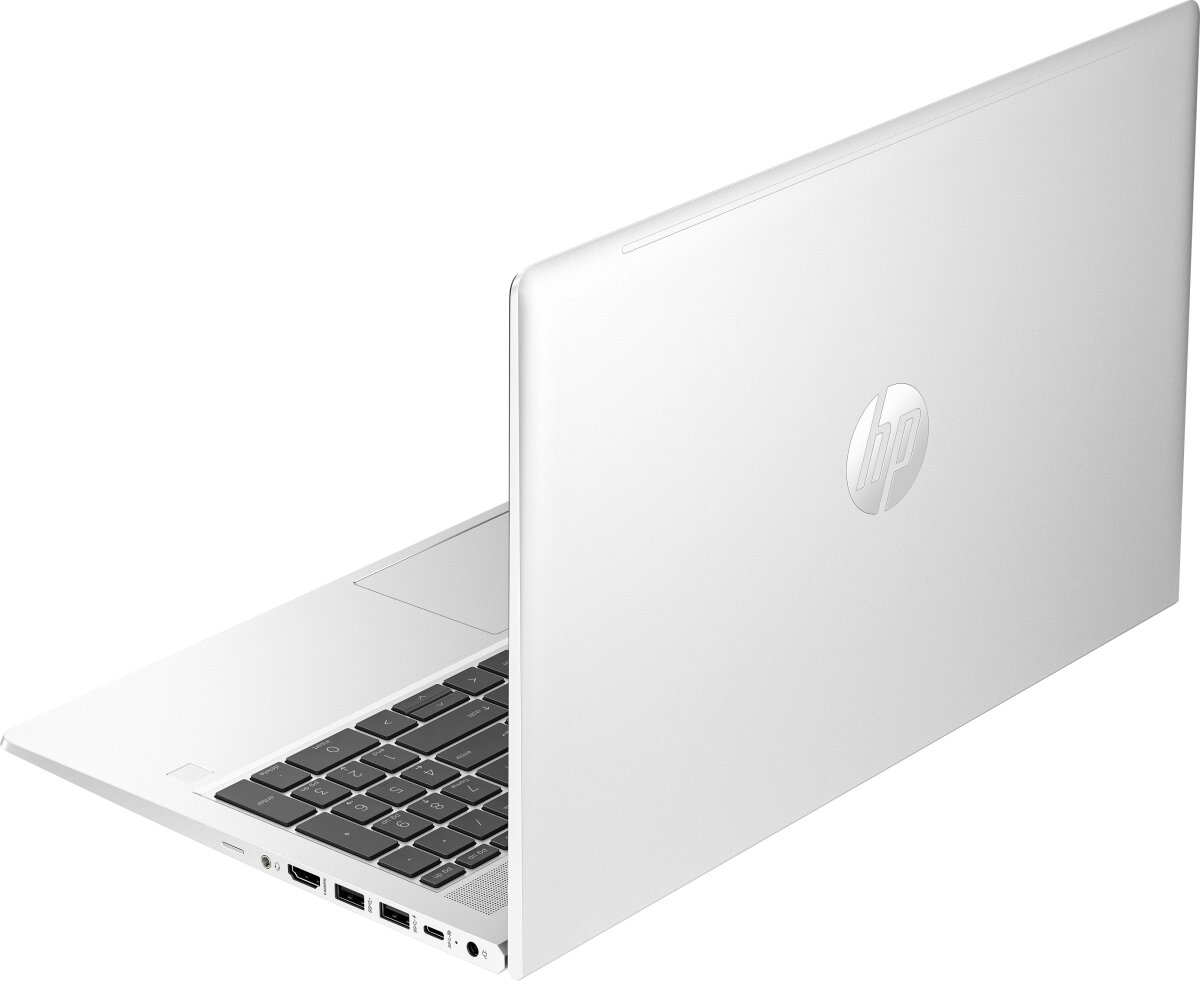
HP ProBook 455 G10 supports DDR4-SDRAM memory upgrades with specifications including two SO-DIMM slots for maximum capacity of 32 GB. Compatible upgrade options utilize SO-DIMM form factor memory modules operating at 3200 MHz frequency. The laptop specifications accommodate RAM upgrades to enhance overall system performance and multitasking capabilities on the ProBook 455 G10 mobile workstation platform.
Memory Upgrade Specifications
| Specification | Value |
|---|---|
| Memory slots | 2x SO-DIMM |
| Form factor | SO-DIMM |
| Memory type | DDR4-SDRAM |
| Frequency | 3200 MHz |
| Maximum RAM | 32 GB |
| Voltage | 1.2V |
| Number of pins | 260-pin |
| Interface | PC4 |
| PC Speed Rating | PC4-3200 (PC4-25600) |
| Bandwidth | 25.6 GB/s |
| Laptop Release date | 01 April 2023 |
Additional Notes
- The HP Probook 455 G10 utilizes laptop-grade SO-DIMM modules rather than desktop DIMMs, restricting upgrade sources to mobile-specific memory vendors and eliminating compatibility with standard desktop RAM inventory.
- DDR4-SDRAM at 3200 MHz represents a mature memory standard; DDR5 upgrade paths are unavailable through factory channels, meaning future memory technology transitions require full system replacement rather than incremental upgrades.
- Dual SO-DIMM slots impose a maximum theoretical capacity of 32 GB, constraining users to either 2x16GB or 2x8GB configurations; single-slot upgrades leave one socket empty, reducing expansion flexibility compared to 4-slot desktop architectures.
- 3200 MHz frequency operation depends on BIOS validation; aftermarket modules rated for 3200 MHz may downclock to 2933 MHz or 2666 MHz if not explicitly whitelisted in firmware, resulting in undocumented performance reduction without user notification.
- SO-DIMM modules occupy minimal physical space, requiring removal of base panels or keyboard sections during installation; thermal pathways around memory slots may be constrained, affecting airflow and creating passive cooling dependencies for sustained high-capacity configurations.
- Mixed-capacity configurations such as 8GB+16GB operate in asymmetrical mode, reducing effective bandwidth utilization compared to matched-pair installations; single-channel fallback scenarios further penalize performance if slot population becomes unbalanced.
- Warranty preservation requires strict adherence to approved memory specifications; third-party modules outside HP's qualified vendor list may trigger support denial despite technical compatibility, shifting troubleshooting responsibility to end users.