HP Probook 460 RAM upgrade specifications
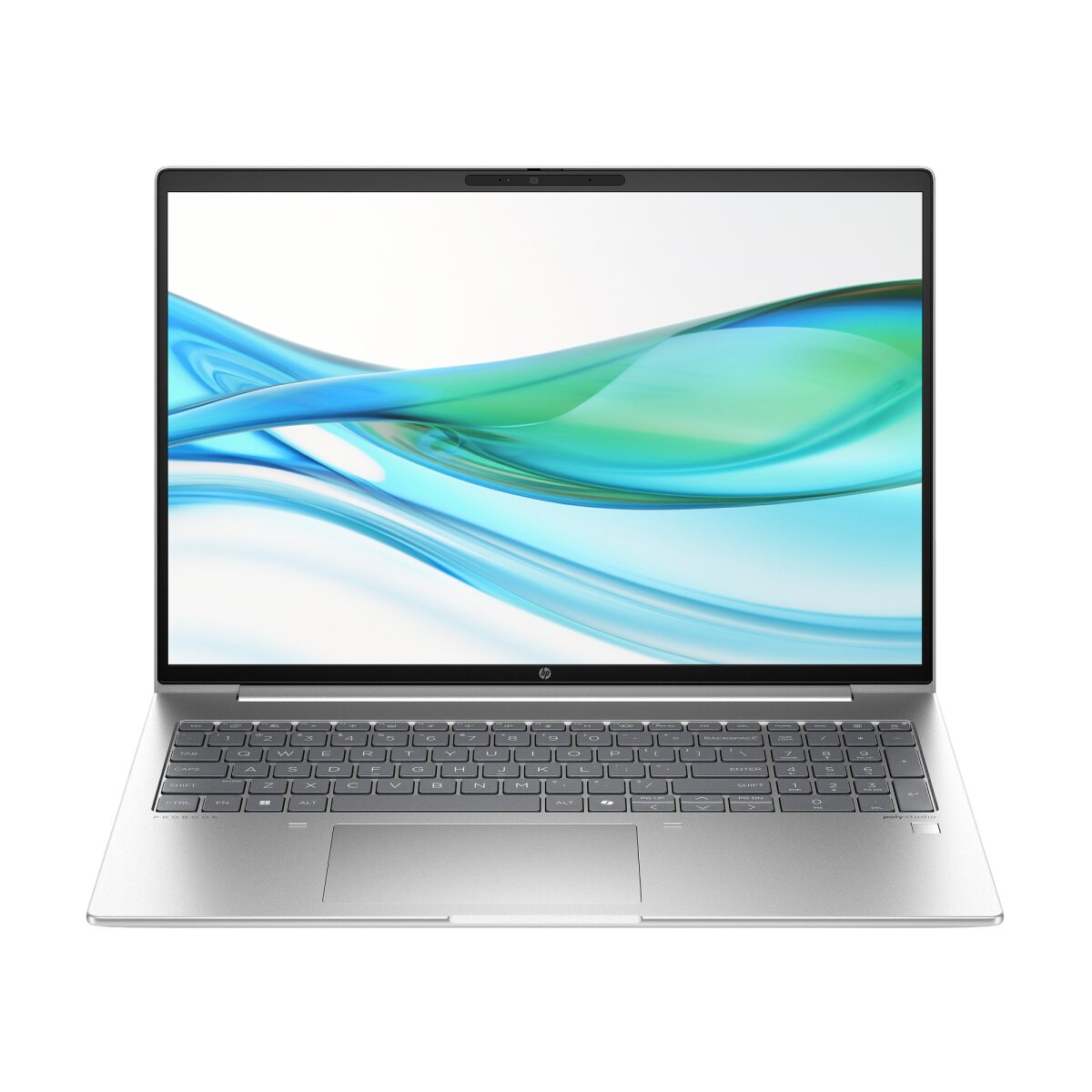
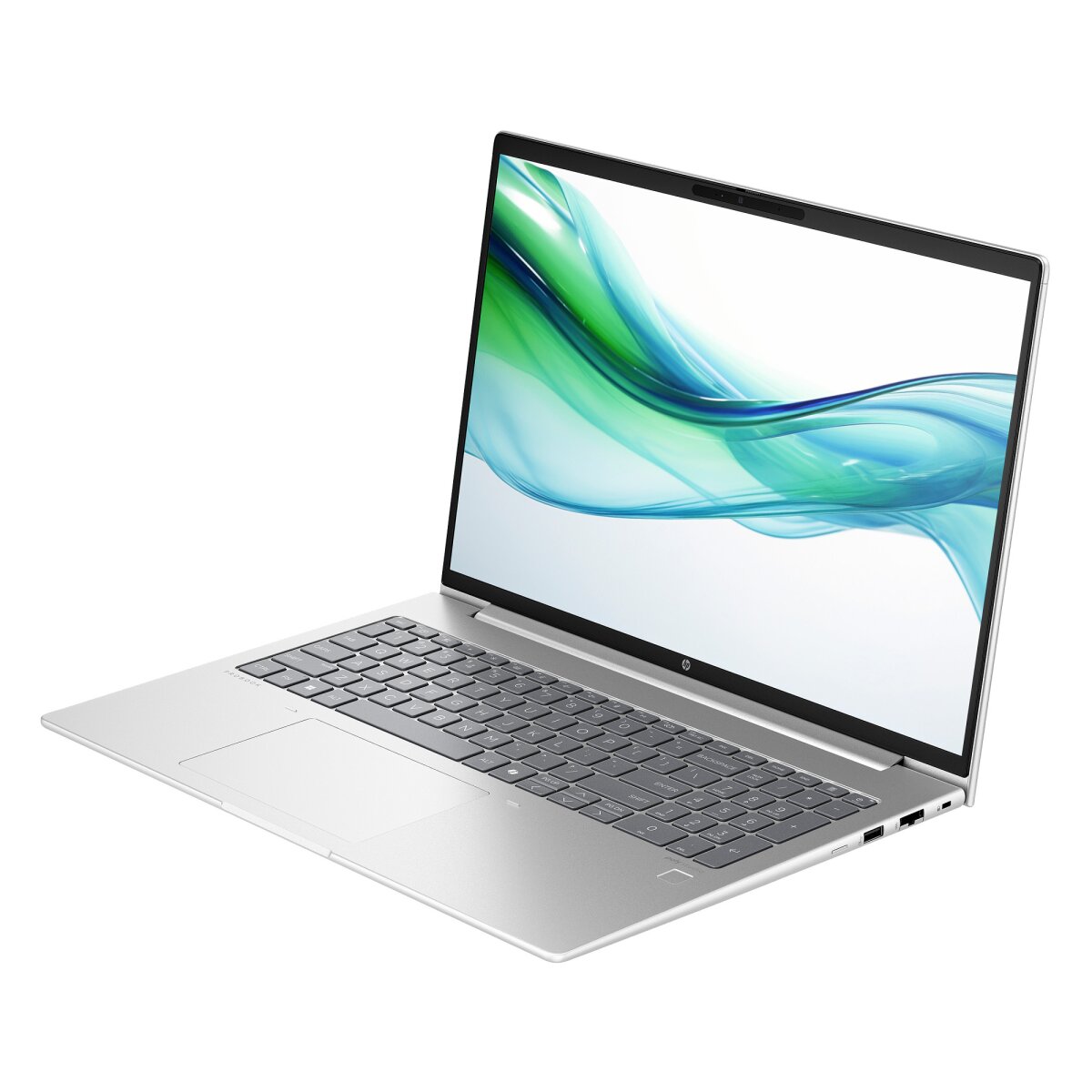
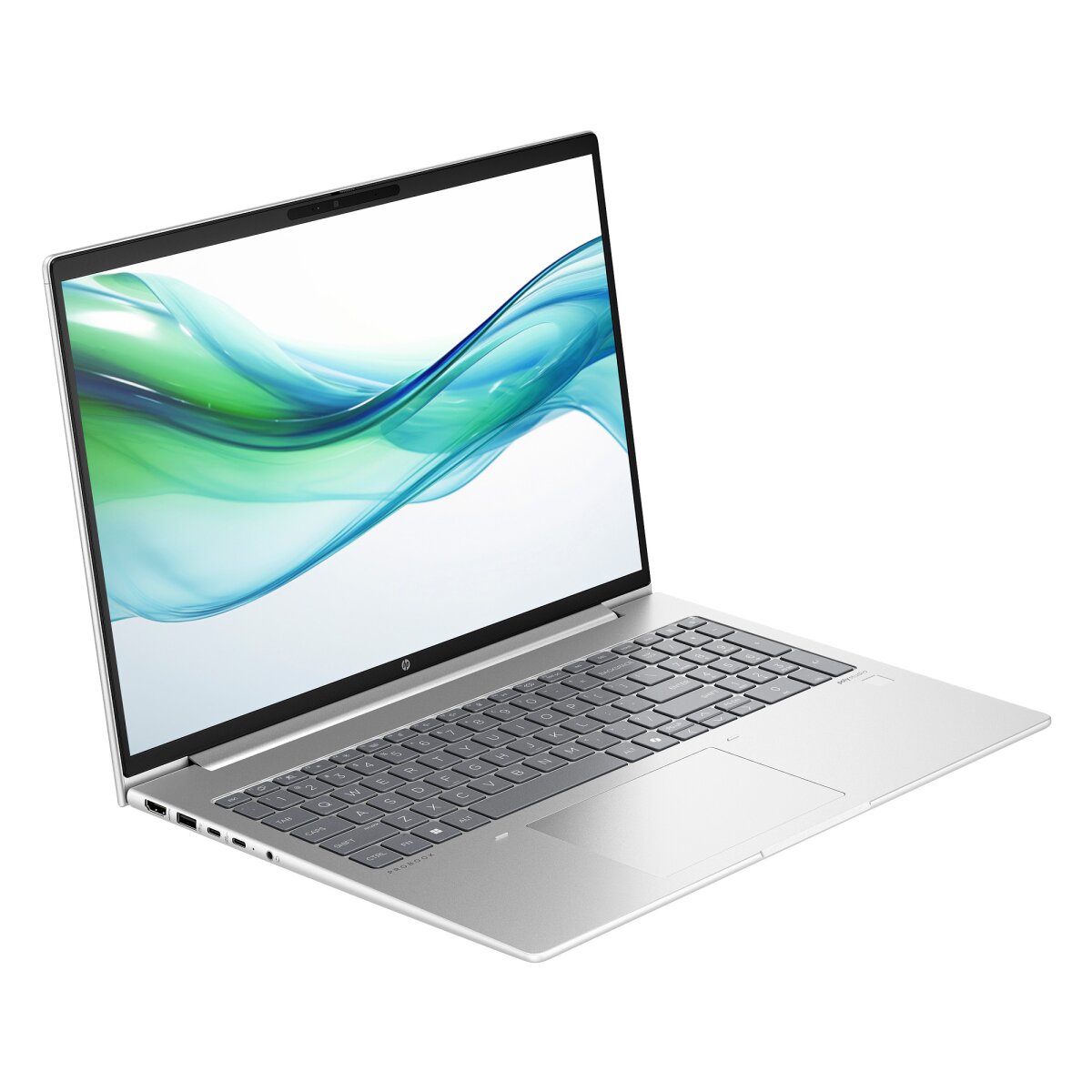
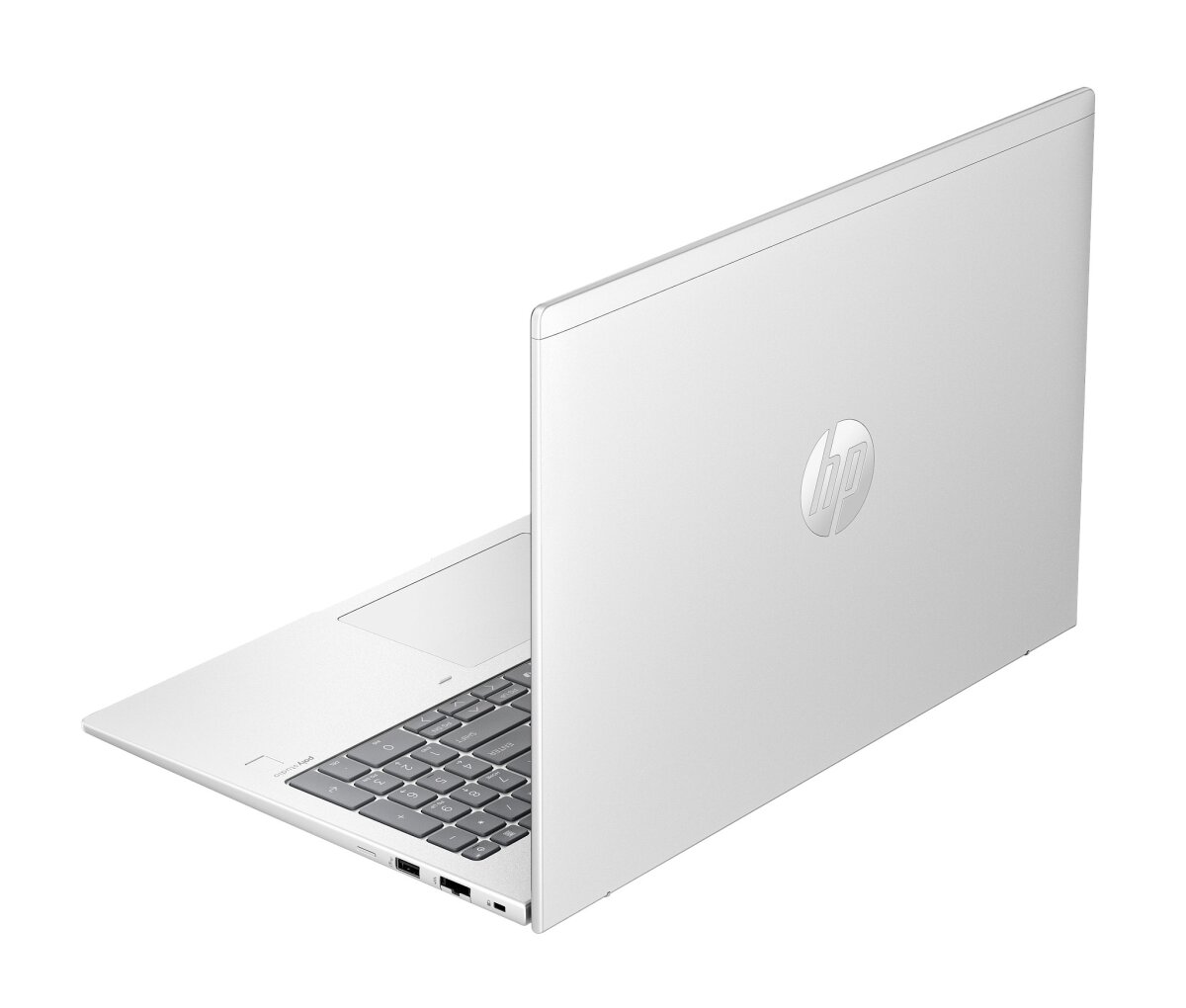
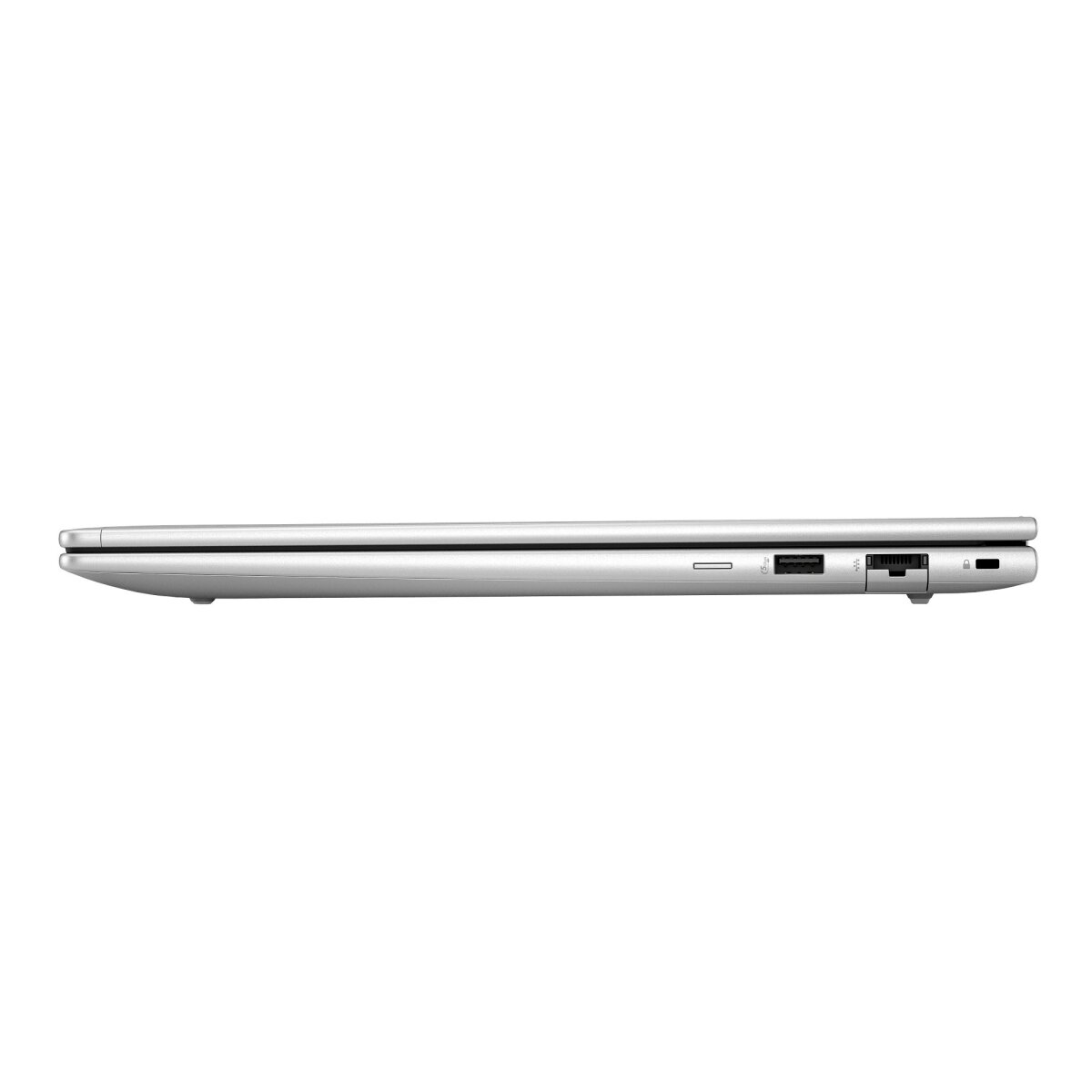
HP Probook 460 laptop supports DDR5-SDRAM memory upgrades with maximum capacity of 32 GB. The system features 2x SO-DIMM slots for memory expansion. Compatible RAM operates at 5600 MHz frequency using SO-DIMM form factor. Upgrade specifications enable users to enhance system performance through additional memory installation in available slots up to the maximum 32 GB capacity limit.
Memory Upgrade Specifications
| Specification | Value |
|---|---|
| Memory slots | 2x SO-DIMM |
| Form factor | SO-DIMM |
| Memory type | DDR5-SDRAM |
| Frequency | 5600 MHz |
| Maximum RAM | 32 GB |
| Voltage | 1.1V |
| Number of pins | 262-pin |
| Interface | PC5 |
| PC Speed Rating | PC5-5600 (PC5-44800) |
| Bandwidth | 44.8 GB/s |
Additional Notes
- The presence of 2 physical SO-DIMM slots confirms that the system memory is not soldered to the motherboard, allowing for future hardware replacements without specialized tools.
- Utilizing a pair of identical RAM modules enables dual-channel memory architecture, which significantly improves integrated graphics performance and data throughput compared to a single-channel configuration.
- The maximum supported limit of 32 GB suggests a firmware or hardware controller cap that prevents the deployment of 64 GB high-capacity kits regardless of the physical slot compatibility.
- While the HP Probook 460 architecture supports 5600 MHz frequencies, the actual operating speed will automatically downclock to match the slowest installed module or the maximum clock speed permitted by the specific processor SKU.
- Transitioning to the DDR5 standard necessitates the use of 262-pin modules, which are physically incompatible with older DDR4 slots due to a different voltage key notch position.
- Operating at high frequencies like 5600 MHz requires modules with on-die ECC (Error Correction Code), a standard feature for DDR5 that improves system stability during long periods of sustained computational load.
- Internal layout constraints usually require the removal of the entire bottom chassis panel to access the memory banks, necessitating standard precision tools for any hardware maintenance.