HP Probook 465 G11 RAM upgrade specifications
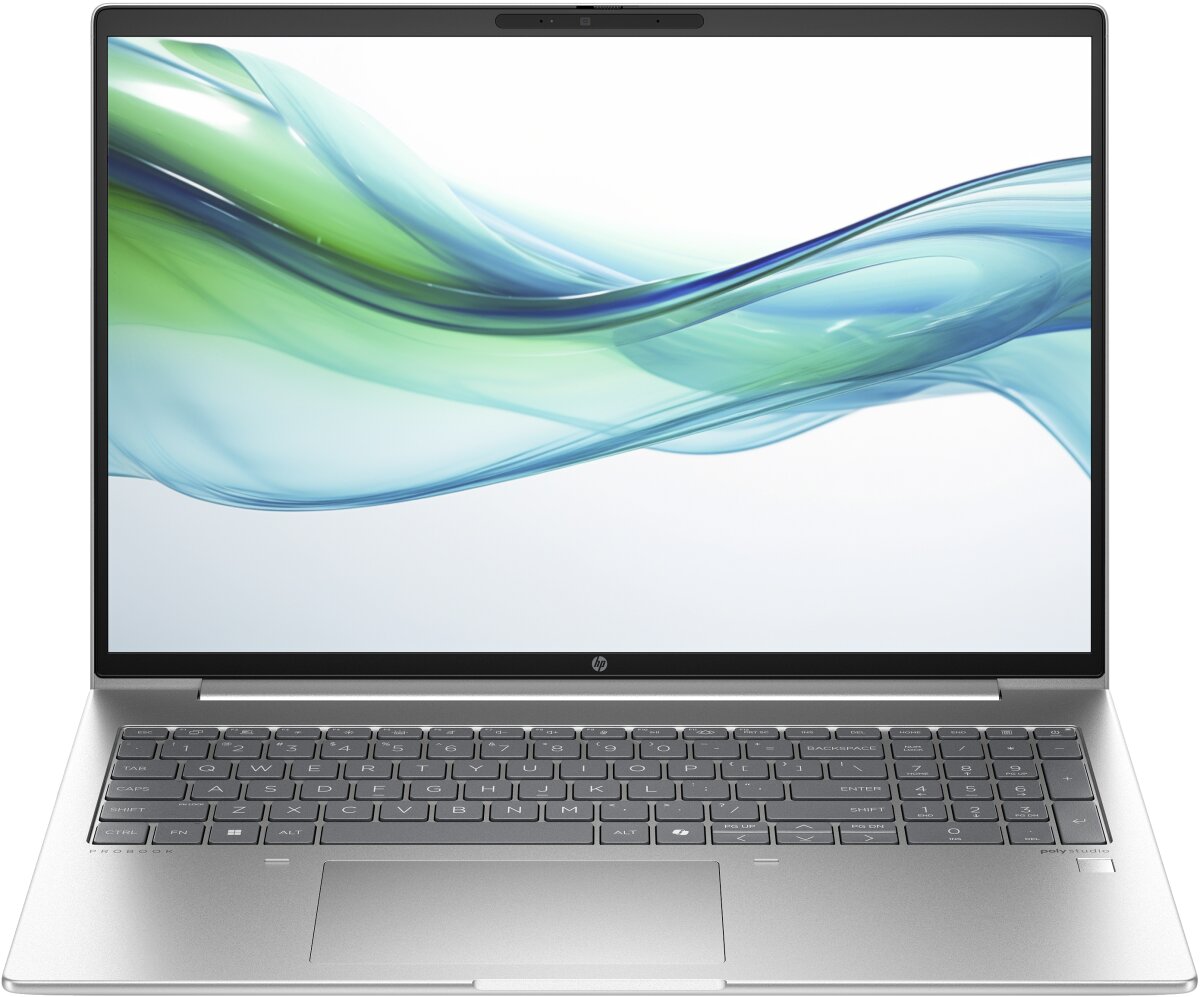
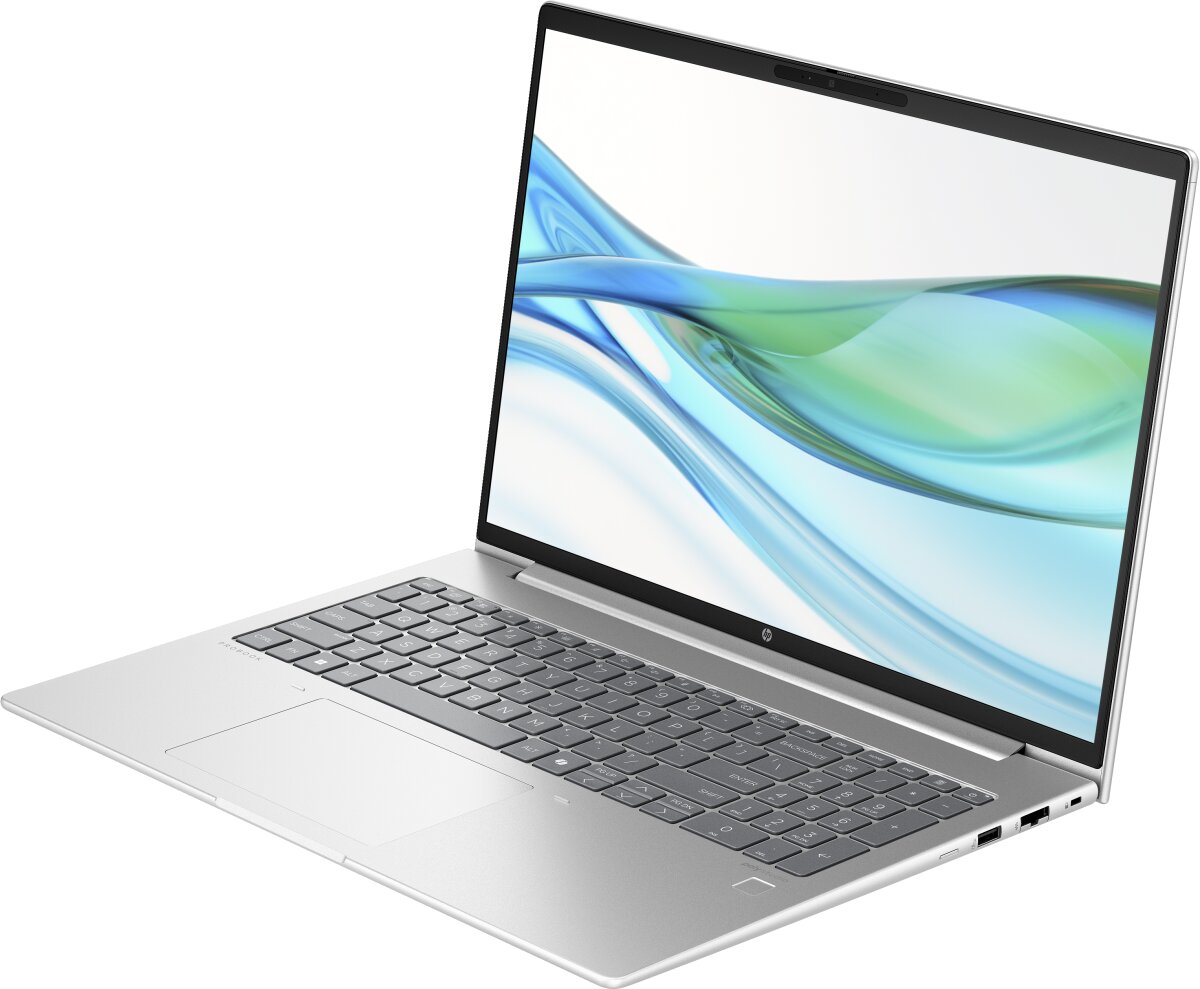
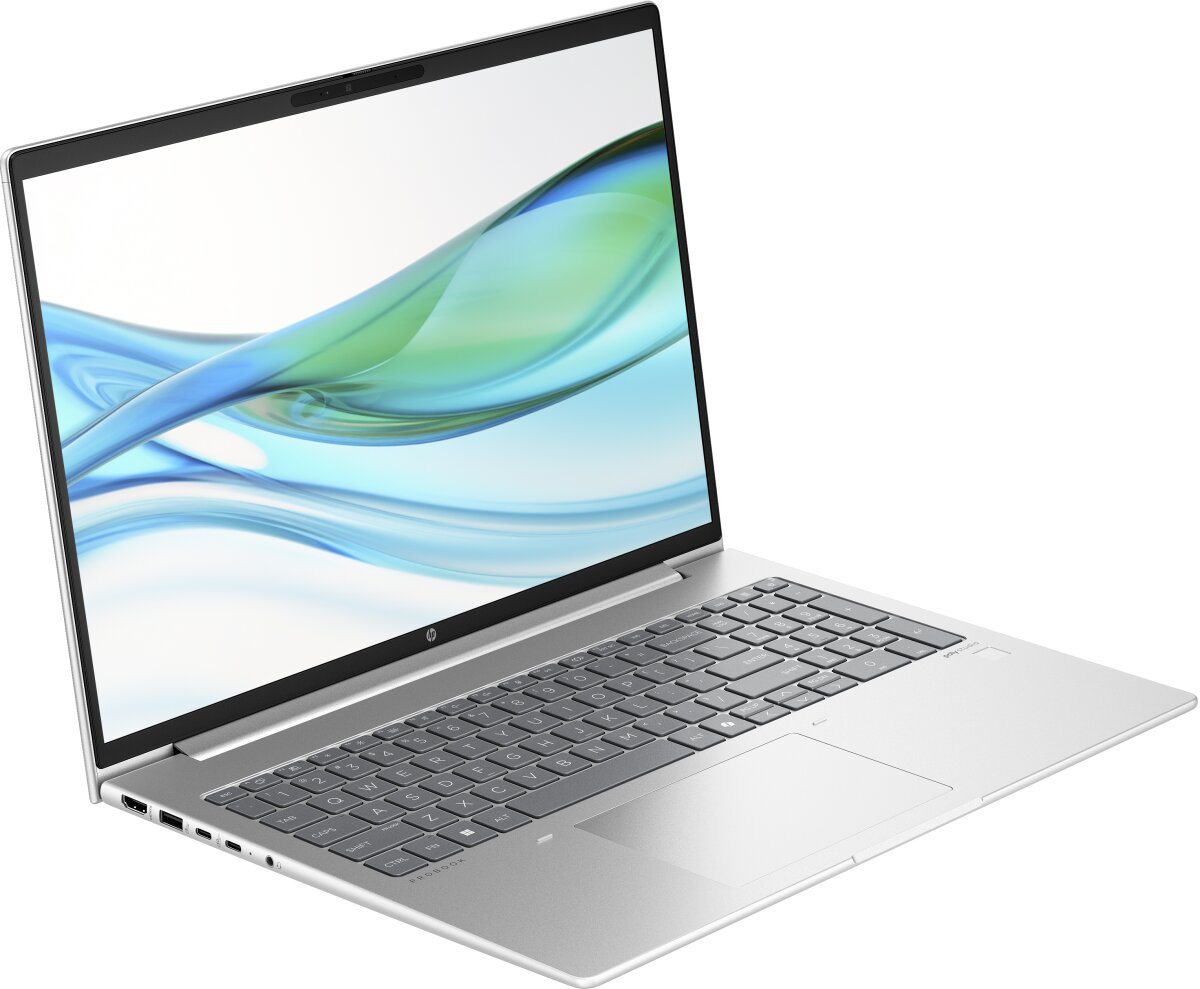


HP ProBook 465 G11 laptop RAM upgrade specifications include DDR5-SDRAM memory compatible with 2x SO-DIMM slots. Maximum memory capacity reaches 32 GB total. Memory operates at 4800 MHz frequency. The SO-DIMM form factor specifications define the physical and electrical requirements for compatible RAM modules. Upgrade options allow expansion up to the maximum supported capacity through replacement or addition of DDR5-SDRAM memory modules in the available slots.
Memory Upgrade Specifications
| Specification | Value |
|---|---|
| Memory slots | 2x SO-DIMM |
| Form factor | SO-DIMM |
| Memory type | DDR5-SDRAM |
| Frequency | 4800 MHz |
| Maximum RAM | 32 GB |
| Voltage | 1.1V |
| Number of pins | 262-pin |
| Interface | PC5 |
| PC Speed Rating | PC5-4800 (PC5-38400) |
| Bandwidth | 38.4 GB/s |
| Laptop Release date | 19 April 2024 |
Additional Notes
- The HP ProBook 465 G11 accepts DDR5 SO-DIMM modules exclusively, rendering all DDR4 modules physically and electrically incompatible due to different notch positions and voltage requirements.
- The 32 GB maximum capacity constraint limits configurations to either 2x16 GB modules in dual-channel mode or a single 32 GB module in single-channel mode, with the latter reducing memory bandwidth by approximately 50 percent.
- DDR5-4800 represents the JEDEC baseline specification for DDR5, meaning modules rated at higher speeds like 5200 MHz or 5600 MHz will downclock to 4800 MHz when installed.
- SO-DIMM packaging requires specific height clearances within the chassis, typically limiting module selection to single-rank or dual-rank designs without extended heat spreaders.
- The 2-slot configuration prevents future expansion beyond 32 GB without replacing existing modules, making initial capacity planning critical for long-term performance requirements.
- Non-ECC unbuffered modules are standard for this platform class, as registered or ECC memory types typically require server-grade chipsets not present in mobile workstations.
- Memory speed of 4800 MHz operates at PC5-38400 transfer rates, providing 38.4 GB/s theoretical bandwidth per channel or 76.8 GB/s in dual-channel configuration.
- DDR5's on-die ECC feature operates independently of traditional ECC memory modules, providing internal data integrity without requiring specific module types or BIOS support.
- Voltage regulation occurs on DDR5 modules themselves at 1.1V rather than through the motherboard, simplifying compatibility but requiring PMIC-equipped modules.
- Mixing modules with different capacities between slots maintains functionality but may limit dual-channel operation to the capacity of the smaller module, creating asymmetric memory configurations.