HP Probook 470 G8 RAM upgrade specifications
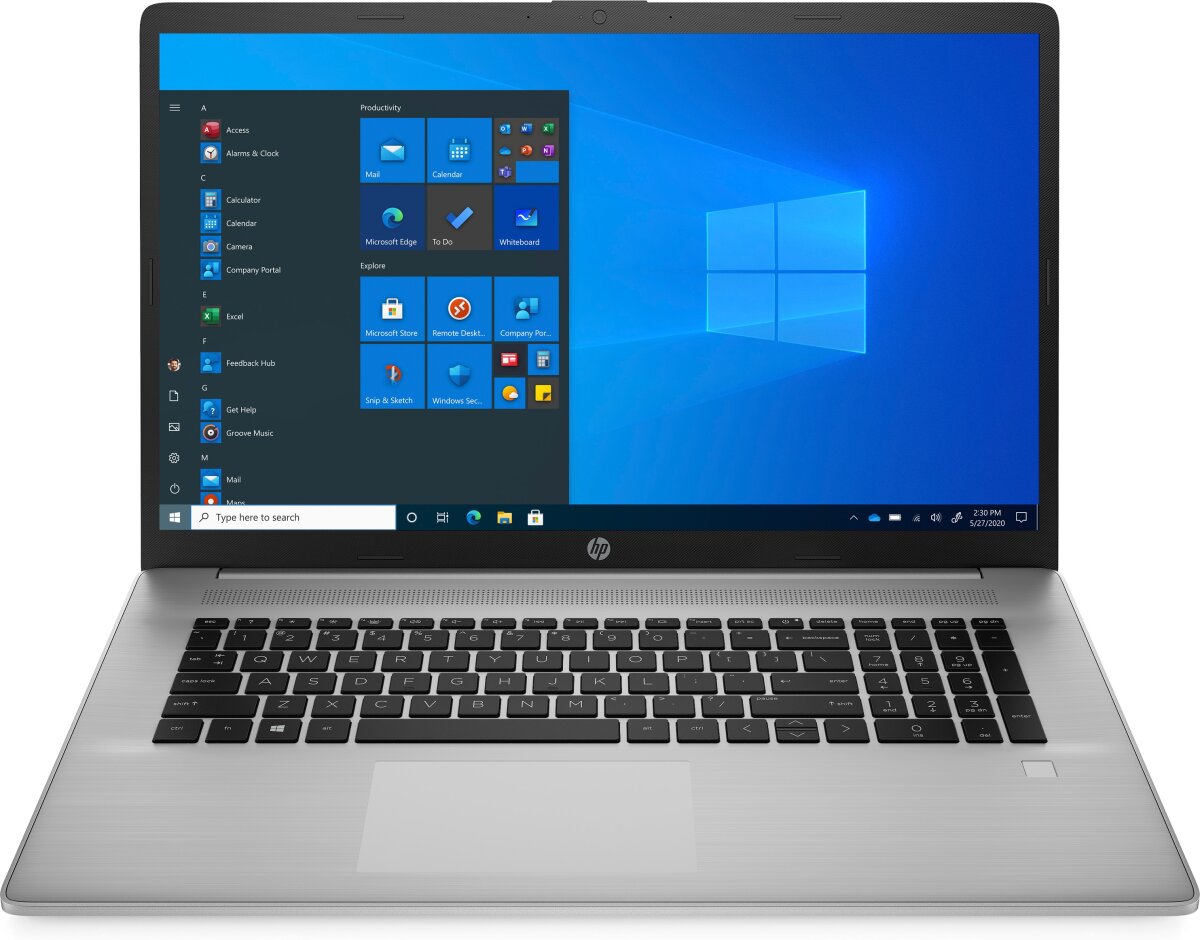
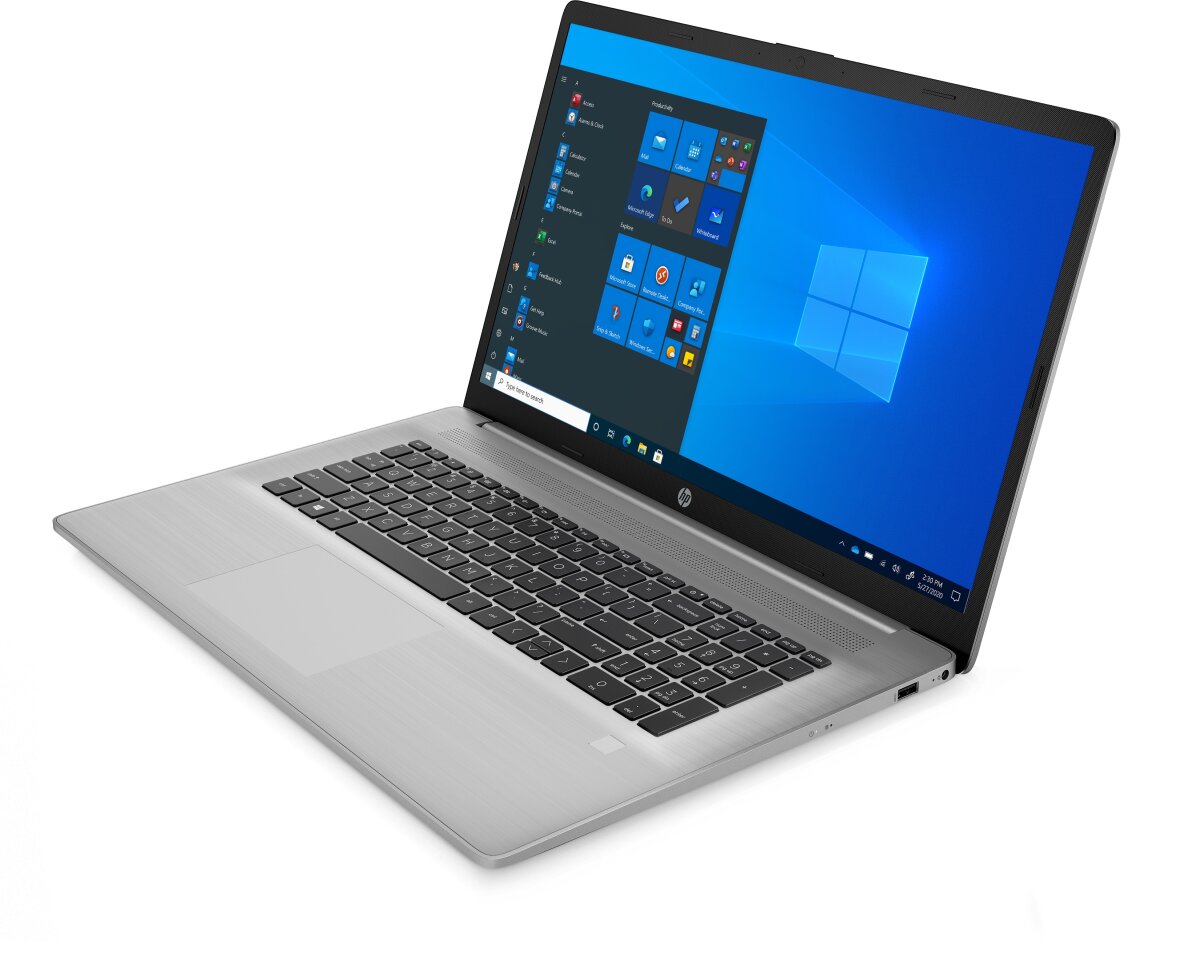
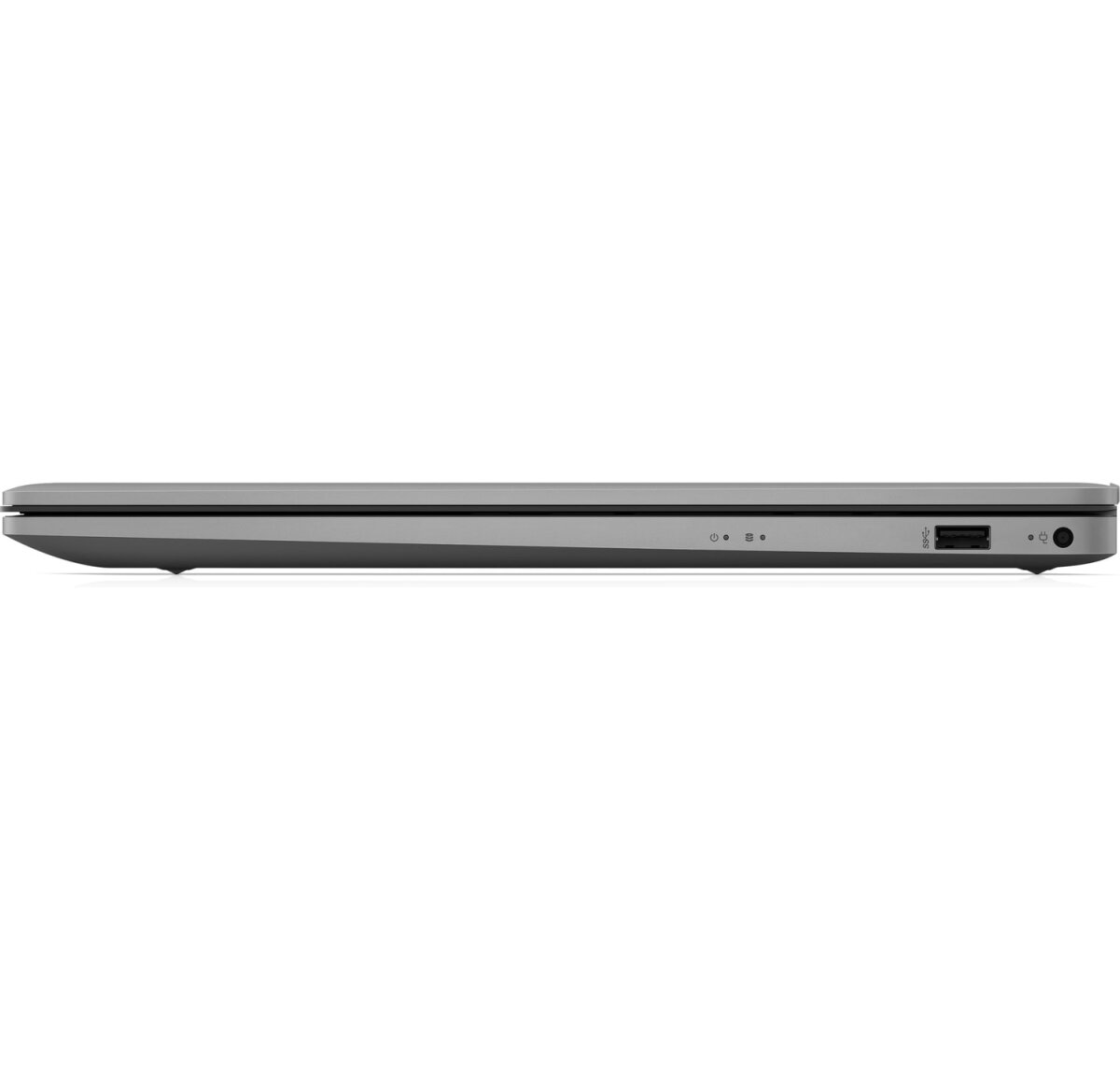
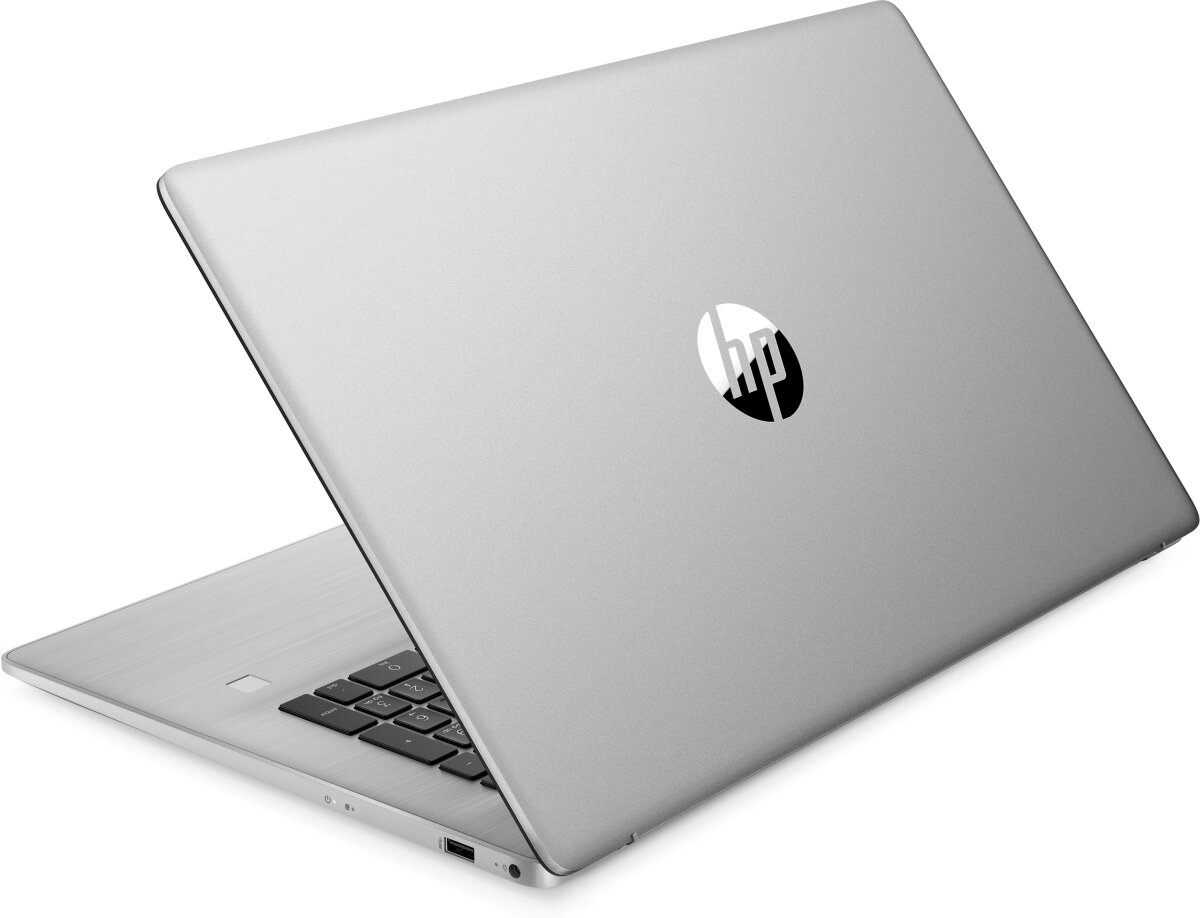
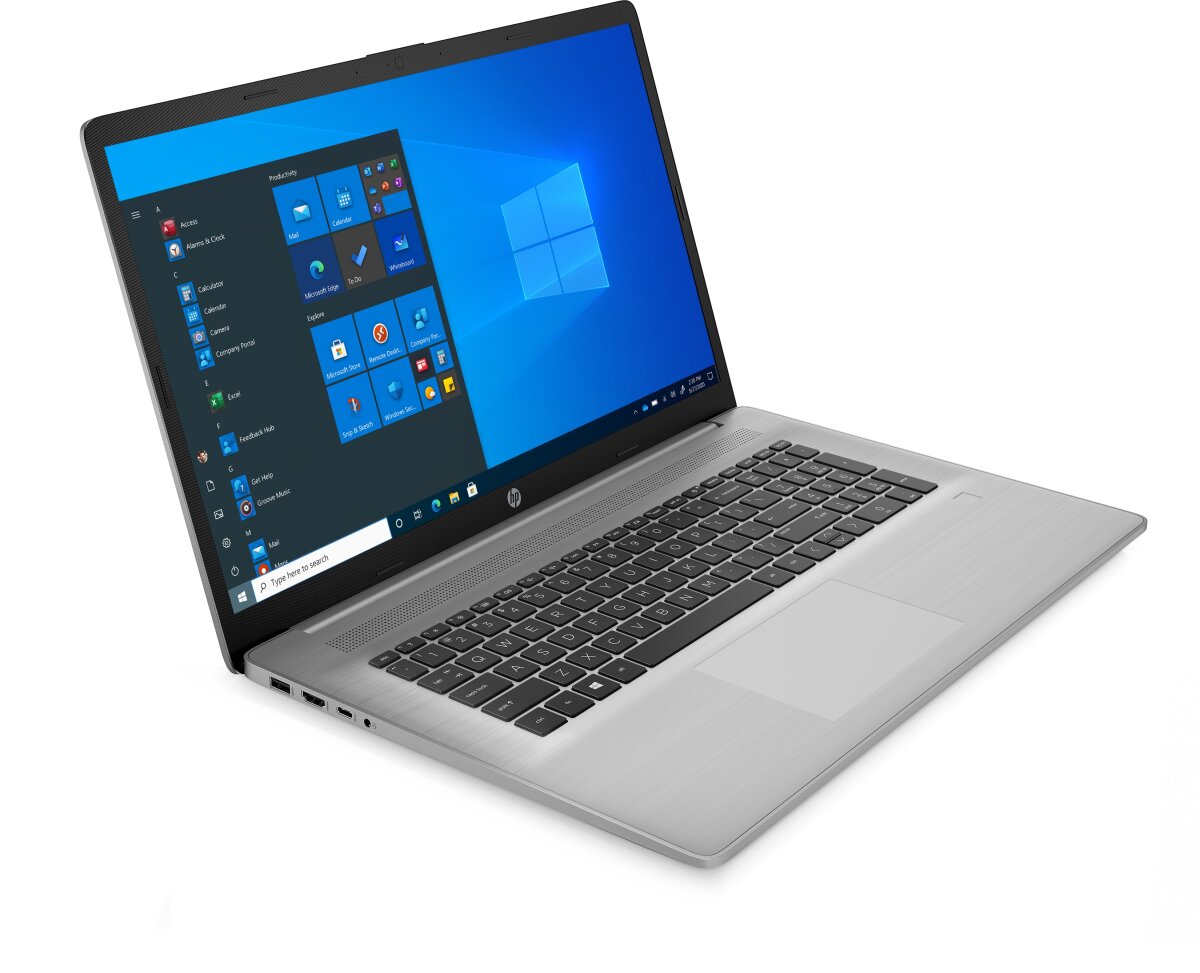
HP Probook 470 G8 laptop memory upgrade specifications include two SO-DIMM slots supporting DDR4-SDRAM modules. The system accommodates maximum RAM capacity of 16 GB total, with compatible memory operating at 3200 MHz frequency. Upgrade configurations allow installation of matched pairs or single modules within the two available slots to enhance system RAM capacity and performance on this HP Probook 400 series model.
Memory Upgrade Specifications
| Specification | Value |
|---|---|
| Memory slots | 2x SO-DIMM |
| Form factor | SO-DIMM |
| Memory type | DDR4-SDRAM |
| Frequency | 3200 MHz |
| Maximum RAM | 16 GB |
| Voltage | 1.2V |
| Number of pins | 260-pin |
| Interface | PC4 |
| PC Speed Rating | PC4-3200 (PC4-25600) |
| Bandwidth | 25.6 GB/s |
| Laptop Release date | 13 April 2021 |
Additional Notes
- The HP ProBook 470 G8 accommodates only 2 SO-DIMM slots, which means maximum capacity cannot be exceeded beyond 16 GB regardless of future DIMM density improvements.
- DDR4-3200 MHz memory operates at a standard consumer frequency tier; faster DDR4 modules (3600 MHz and above) will function but will downclock to 3200 MHz, making premium-speed memory a redundant expense.
- SO-DIMM form factor restricts upgrades to laptop-specific modules; desktop DDR4 DIMMs are physically incompatible and will not install in this chassis.
- Dual-slot configuration requires both slots to be populated to reach 16 GB total capacity (8 GB per slot); single-slot upgrades will leave performance potential underutilized until a second module is added.
- Pre-existing factory memory configuration determines upgrade strategy; if the system shipped with asymmetric pairing (such as 4 GB plus 8 GB), removing the smaller module and installing matching 8 GB sticks is the only path to symmetric dual-channel operation.
- Memory upgrade is classified as a user-serviceable component on the ProBook 470 G8; factory warranty coverage remains valid after SO-DIMM installation when performed according to manufacturer procedures.
- Bandwidth saturation occurs at DDR4-3200 with typical mobile workloads; memory speed is not a performance lever on this platform, making CAS latency equivalence the primary selection criterion among compatible modules.