HP Probook G10 RAM upgrade specifications
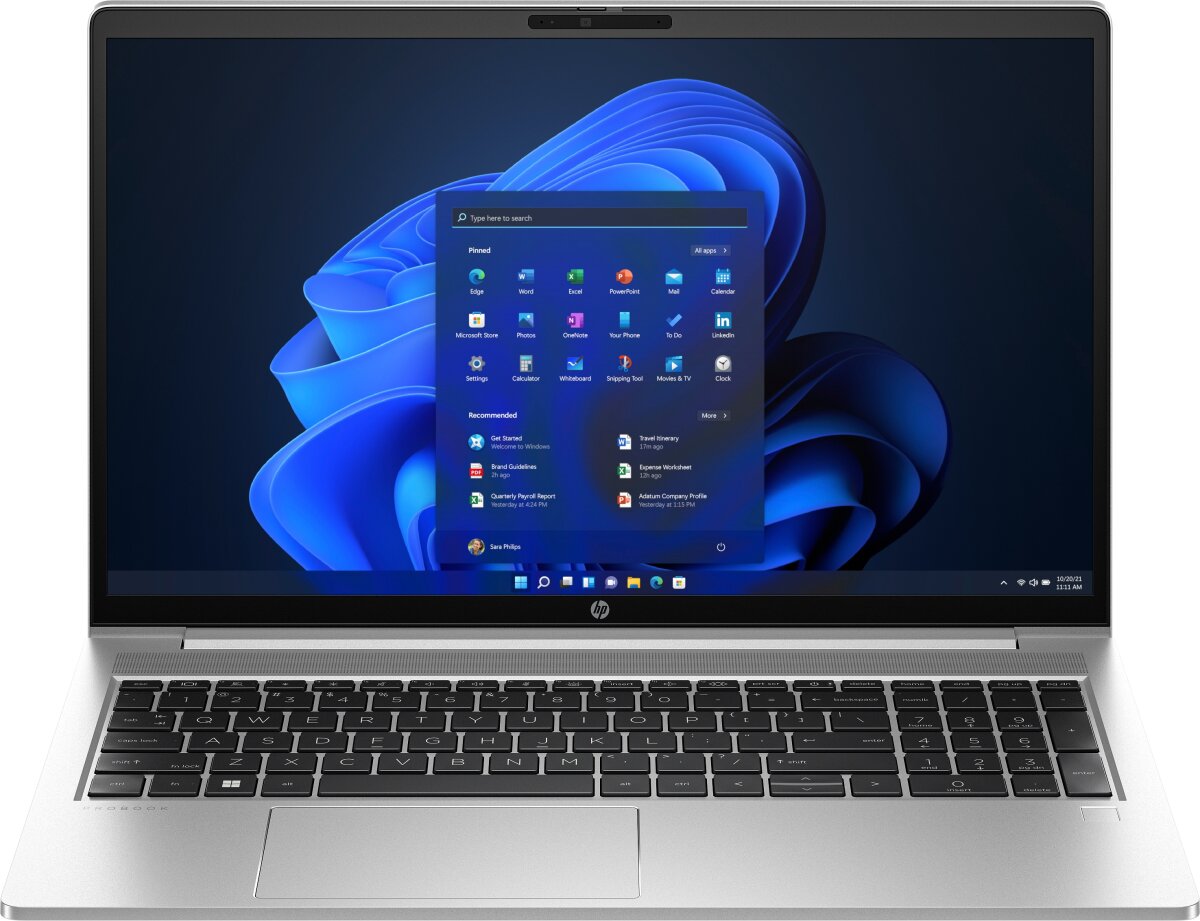
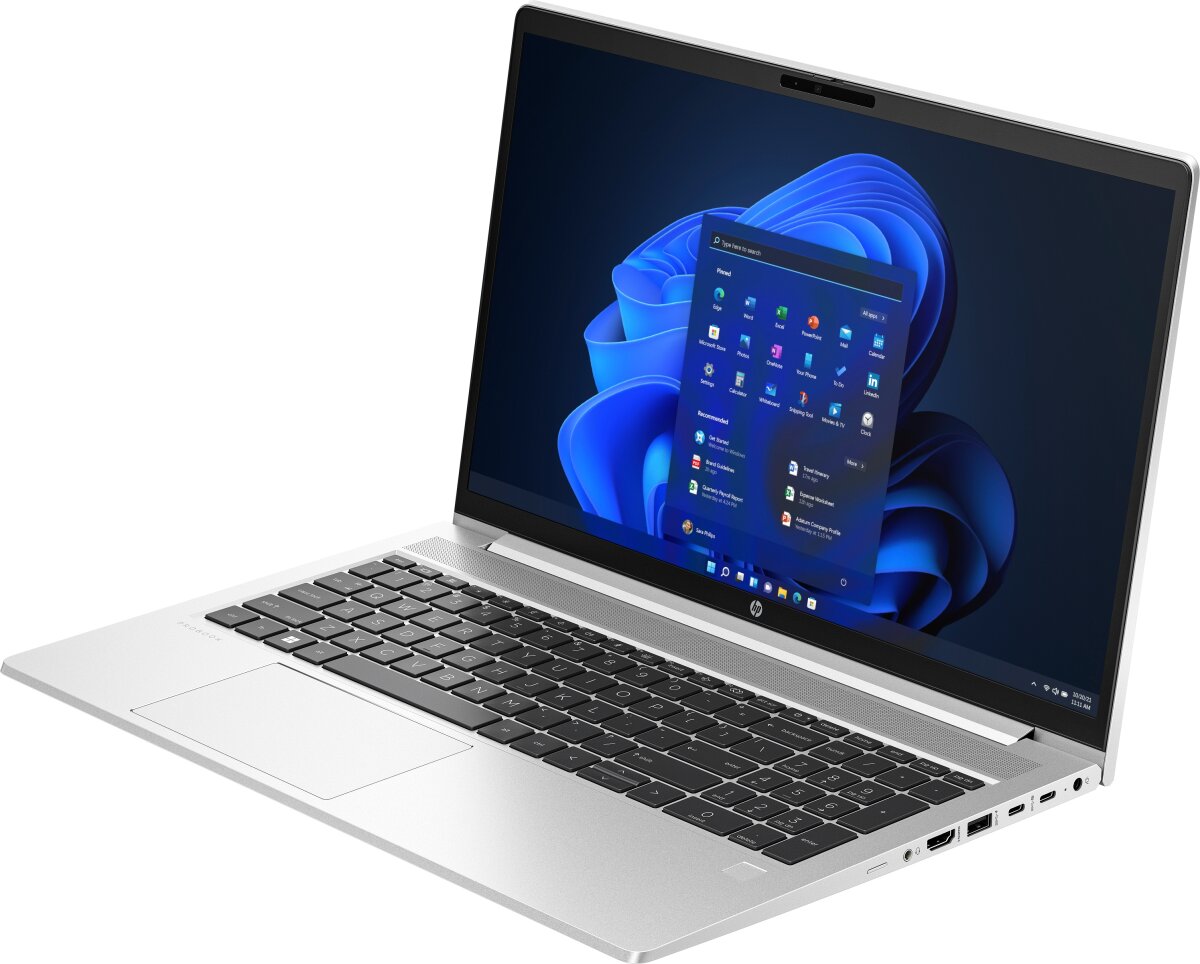
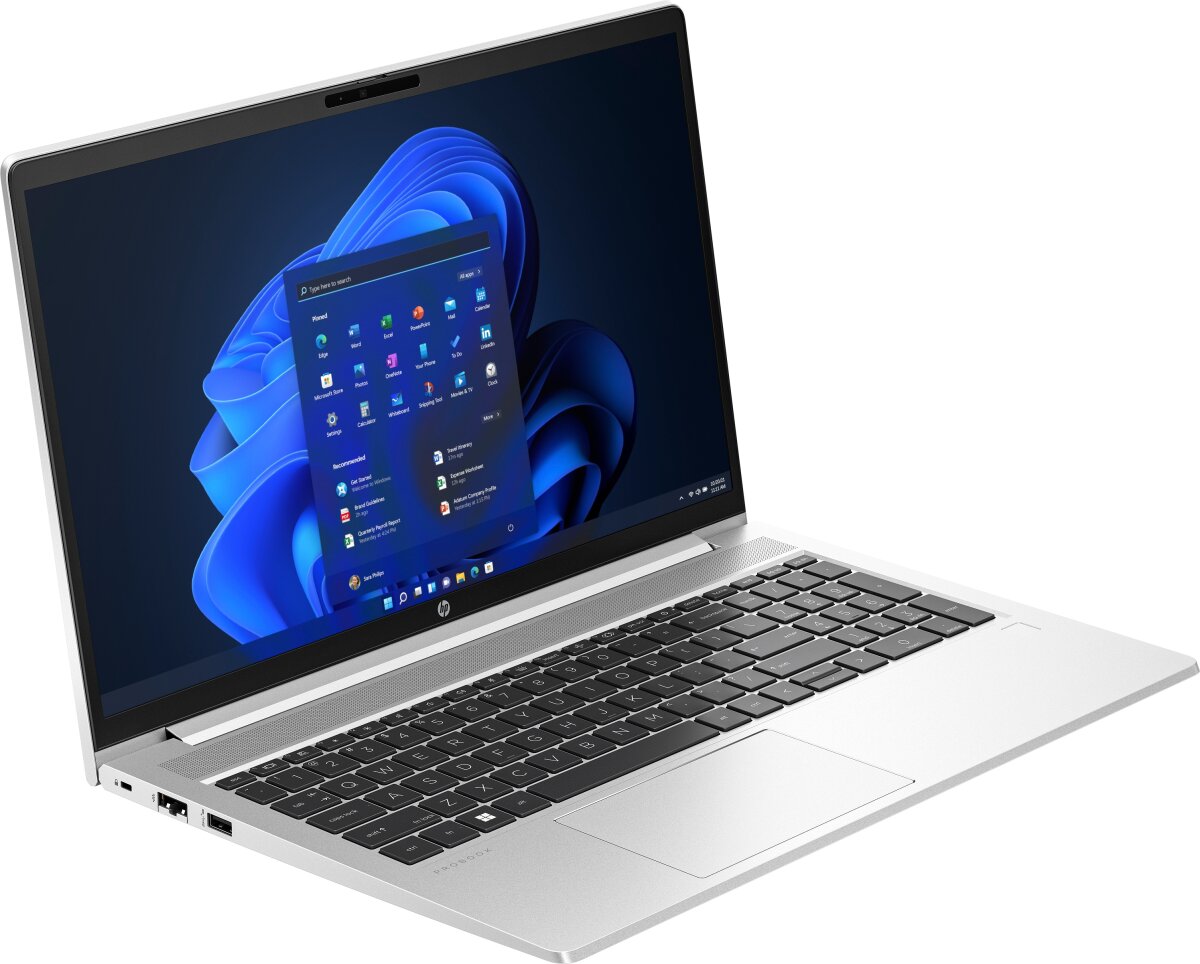
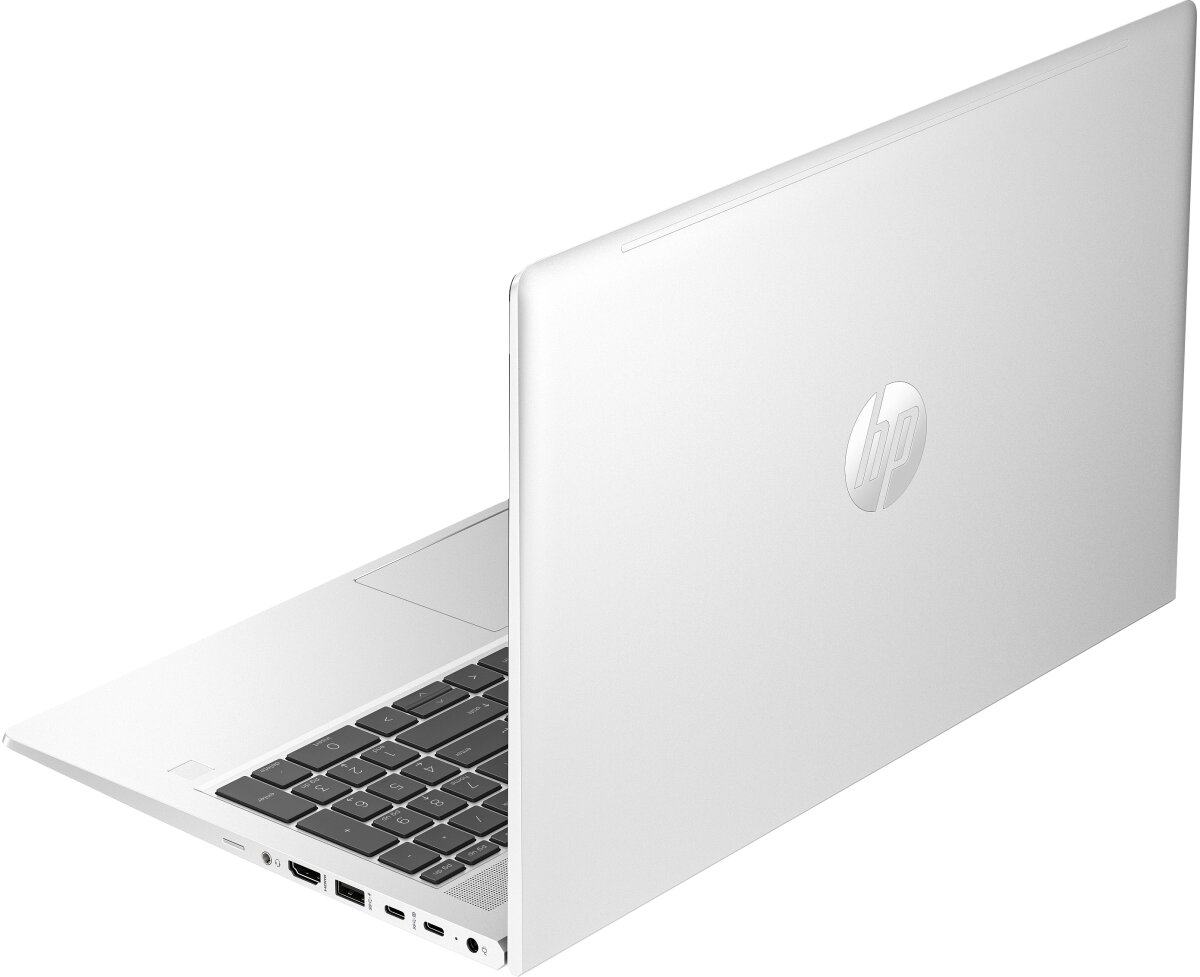
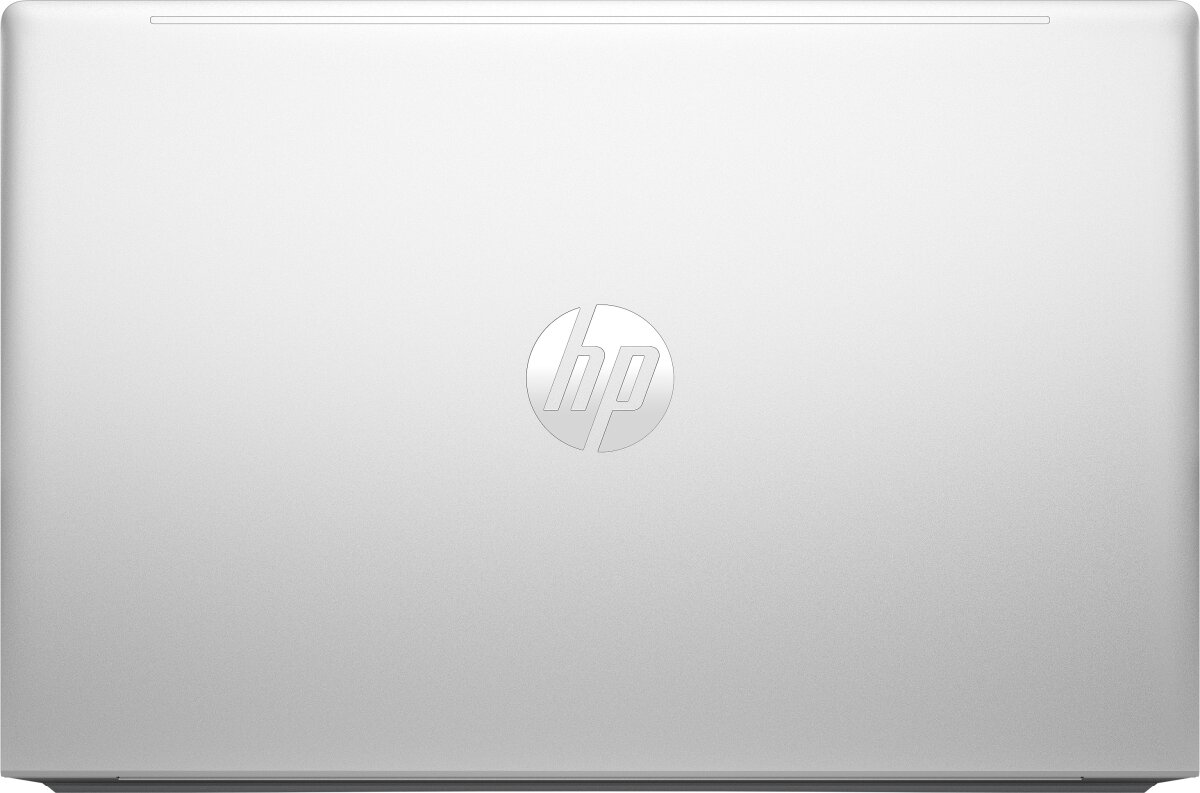
HP ProBook 400 G10 laptops support DDR4-SDRAM memory upgrades with specifications including 2x SO-DIMM slots, maximum capacity of 32 GB, and 3200 MHz frequency. Compatible memory modules utilize SO-DIMM form factor. The upgrade specifications enable configuration of the laptop's RAM to meet operational requirements, with individual slot capacity supporting incremental memory expansion. Maximum RAM capacity represents the highest supported configuration for this model.
Memory Upgrade Specifications
| Specification | Value |
|---|---|
| Memory slots | 2x SO-DIMM |
| Form factor | SO-DIMM |
| Memory type | DDR4-SDRAM |
| Frequency | 3200 MHz |
| Maximum RAM | 32 GB |
| Voltage | 1.2V |
| Number of pins | 260-pin |
| Interface | PC4 |
| PC Speed Rating | PC4-3200 (PC4-25600) |
| Bandwidth | 25.6 GB/s |
| Laptop Release date | 28 May 2023 |
Additional Notes
- The HP ProBook G10 relies on SO-DIMM modules, which eliminates compatibility with standard desktop DIMM memory despite sharing the DDR4 specification.
- The 32 GB ceiling requires two 16 GB modules to reach maximum capacity, as single-module configurations cap at half that threshold.
- DDR4-3200 represents the native JEDEC speed for this platform, meaning modules rated at higher frequencies will downclock to 3200 MHz regardless of their marketed specifications.
- Dual-channel architecture activation depends on populating both slots with matched modules, as single-stick installations halve the available memory bandwidth.
- The 3200 MHz frequency operates at 1600 MHz actual clock with double data rate transfer, delivering a theoretical peak bandwidth of 51.2 GB/s when both channels function simultaneously.
- Non-ECC unbuffered modules are the only compatible type for this consumer-grade platform, as registered or ECC variants will trigger POST failures.
- Memory replacement typically preserves OEM warranty coverage, though unofficial overclocking attempts through XMP profiles may void support agreements depending on regional terms.
- Mixing modules with different CAS latencies forces the system to adopt the slower timing specification across all installed memory.
- The 260-pin SO-DIMM standard requires physical keying alignment during installation, preventing insertion of incompatible DDR3 or DDR5 modules despite similar form factors.
- Thermal considerations become relevant at maximum density, as dual 16 GB modules generate more heat than lower-capacity configurations during sustained workloads.