HP Probook ProBook 440 G5 RAM upgrade specifications
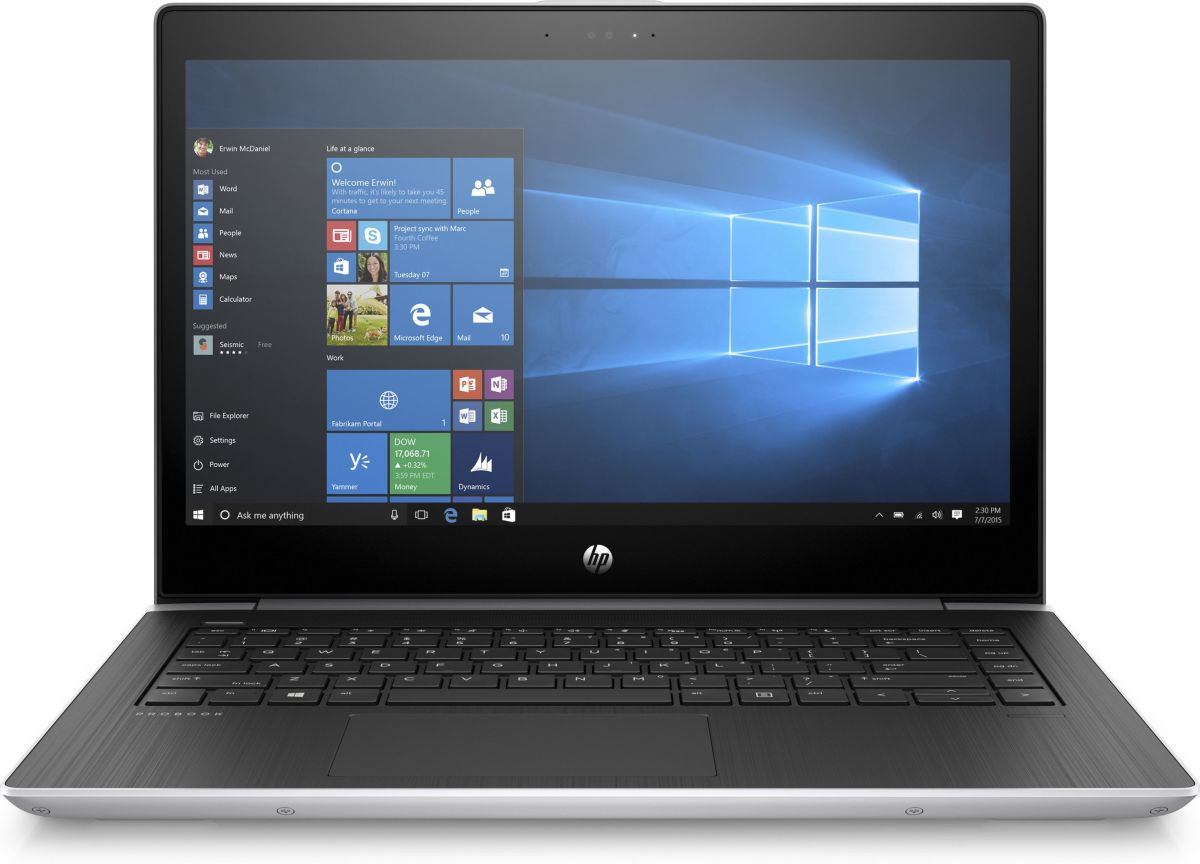
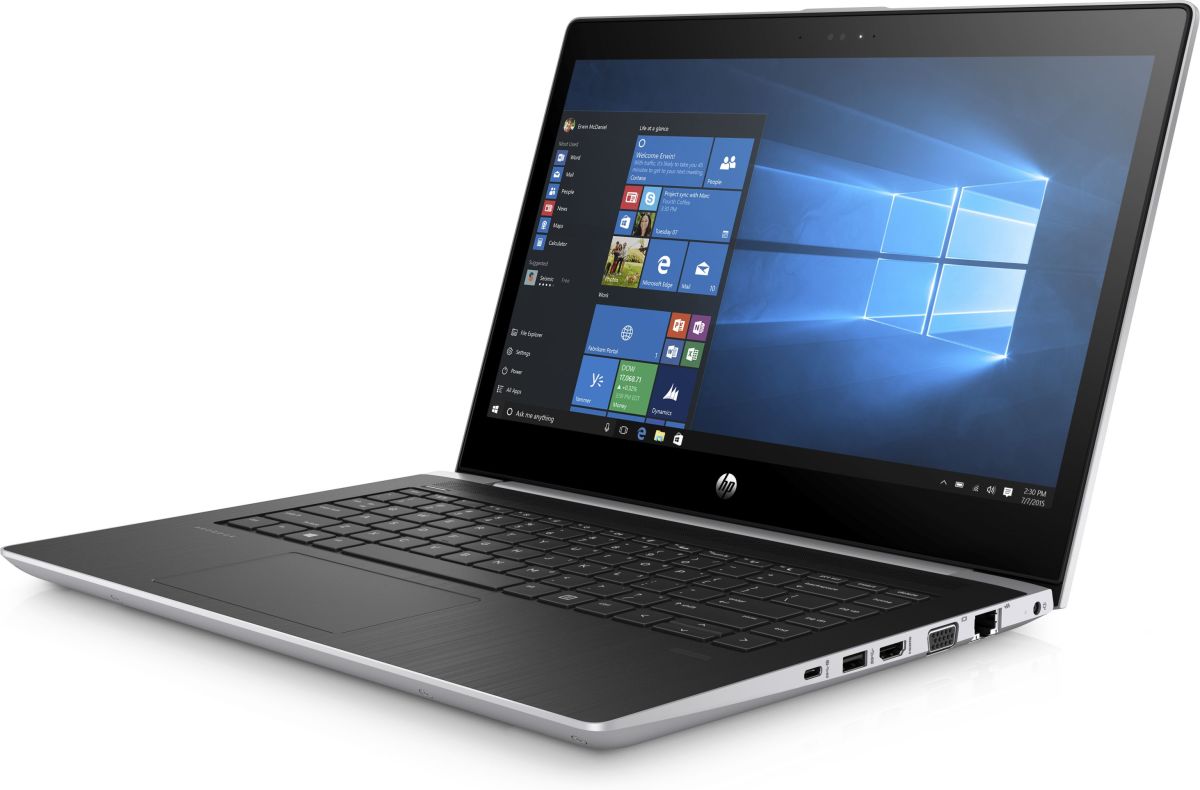
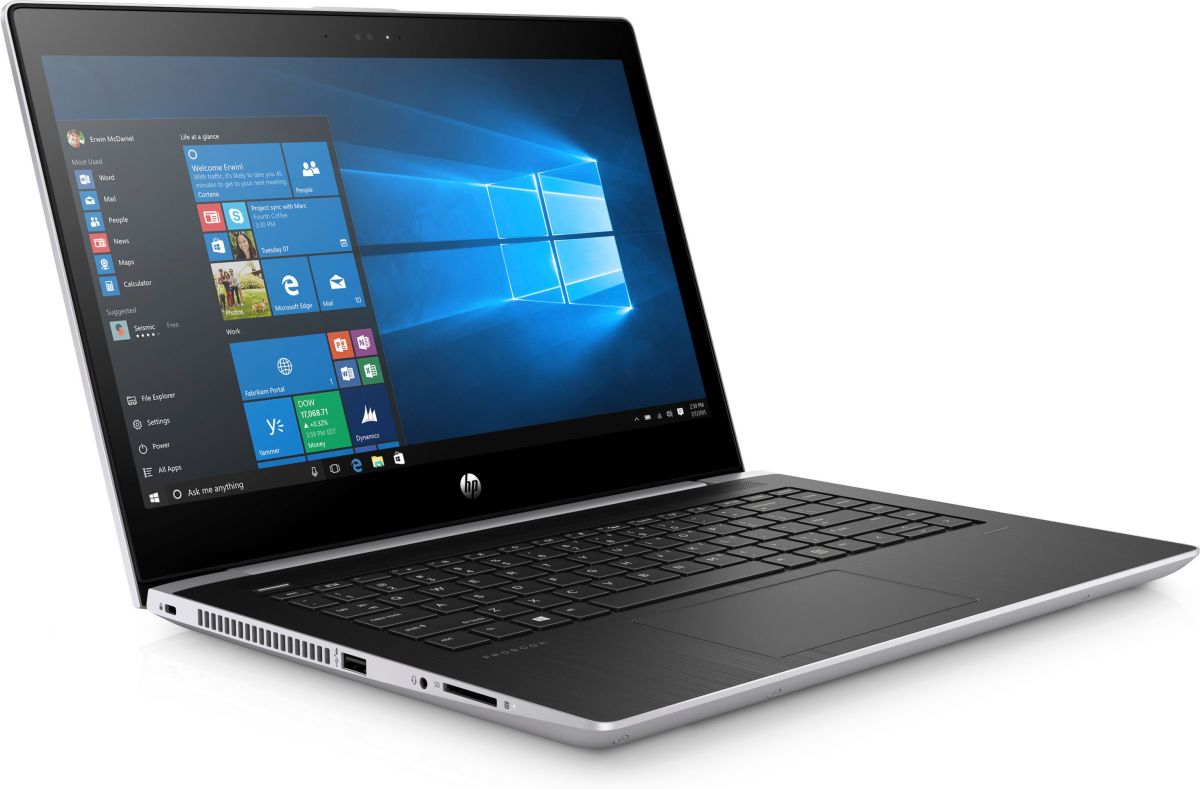


The HP ProBook 440 G5 laptop features two SO-DIMM memory slots supporting DDR4-SDRAM modules operating at 2400 MHz frequency. Maximum RAM capacity for the ProBook 440 G5 model reaches 16 GB total. Compatible memory upgrades utilize the SO-DIMM form factor. Current specifications indicate available upgrade slots for expanding RAM capacity on this ProBook 400 series device. Memory specifications and maximum supported capacity are documented for upgrade planning purposes.
Memory Upgrade Specifications
| Specification | Value |
|---|---|
| Memory slots | 2x SO-DIMM |
| Form factor | SO-DIMM |
| Memory type | DDR4-SDRAM |
| Frequency | 2400 MHz |
| Maximum RAM | 16 GB |
| Voltage | 1.2V |
| Number of pins | 260-pin |
| Interface | PC4 |
| PC Speed Rating | PC4-2400 (PC4-19200) |
| Bandwidth | 19.2 GB/s |
| Laptop Release date | 17 December 2017 |
Additional Notes
- The 2 SO-DIMM slot configuration permits symmetric dual-channel operation only when both slots contain matched capacity modules, which maximizes memory bandwidth utilization for workloads sensitive to latency.
- DDR4-2400 MHz represents a lower frequency tier within DDR4 specifications, creating a hard ceiling on memory throughput; faster DDR4 modules (3200 MHz or higher) will downclock to 2400 MHz and provide no performance gain over native-speed equivalents.
- The 16 GB maximum addressable capacity constrains upgrade paths for memory-intensive workloads such as large dataset processing, virtual machine hosting, or concurrent multi-application environments; this limitation is permanent and cannot be circumvented through BIOS updates.
- Single-rank SO-DIMM modules are more likely to achieve stable operation at rated specifications within this generation's memory controller constraints compared to dual-rank alternatives, particularly when both slots are populated.
- The SO-DIMM form factor is physically smaller than desktop UDIMM equivalents, resulting in tighter spacing within the memory cavity; thermal management around populated slots may influence longevity in thermally constrained chassis designs.
- DDR4-2400 native frequency indicates this system predates widespread adoption of DDR4-3200 as a standard, suggesting the memory controller was optimized for lower voltages and refresh cycles; compatibility with post-2017 high-frequency modules may require manual BIOS voltage adjustments if stability issues arise.