HP Probook 655 G2 RAM upgrade specifications

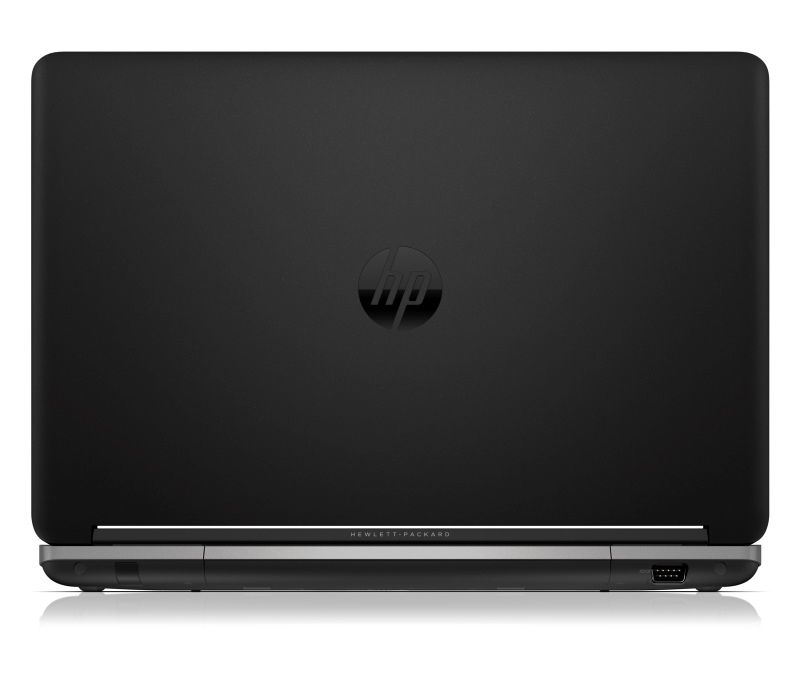
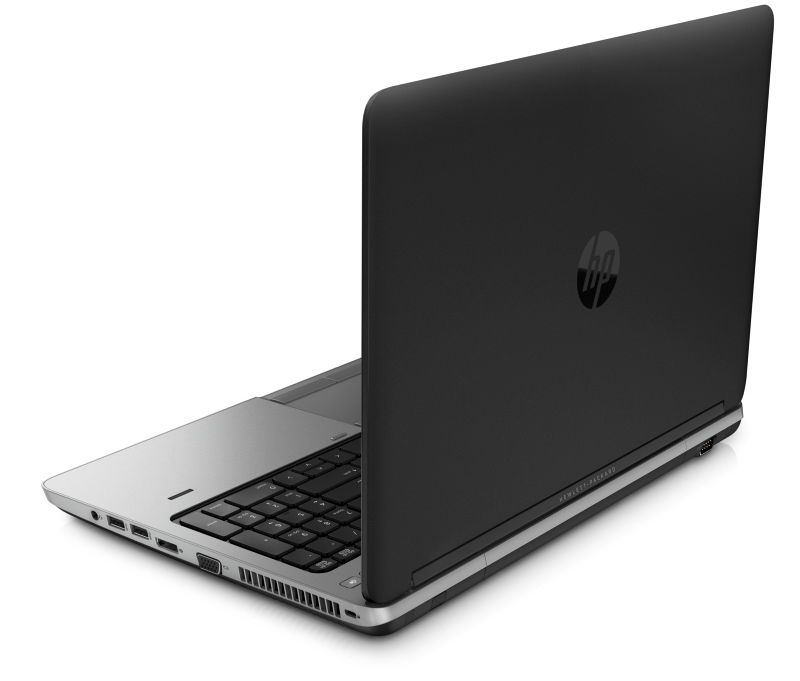


HP Probook 655 G2 laptop contains two SO-DIMM memory slots supporting DDR3L-SDRAM modules at 1600 MHz frequency. Maximum RAM capacity for this model reaches 16 GB total. Memory upgrade specifications indicate compatible SO-DIMM form factor modules. The 655 G2 supports memory expansion through dual slot configuration, allowing users to upgrade from factory specifications to maximum supported capacity of 16 GB RAM.
Memory Upgrade Specifications
| Specification | Value |
|---|---|
| Memory slots | 2x SO-DIMM |
| Form factor | SO-DIMM |
| Memory type | DDR3L-SDRAM |
| Frequency | 1600 MHz |
| Maximum RAM | 16 GB |
| Voltage | 1.35V (Low Voltage) |
| Number of pins | 204-pin |
| Interface | PC3L |
| PC Speed Rating | PC3L-1600 (PC3L-12800) |
| Bandwidth | 12.8 GB/s |
| Laptop Release date | 02 May 2017 |
Additional Notes
- The HP ProBook 655 G2 requires low-voltage DDR3L modules operating at 1.35V, as standard 1.5V DDR3 modules may cause boot failures or system instability despite physical compatibility.
- The 16 GB maximum capacity limit reflects chipset architecture constraints, meaning each of the 2 slots supports up to 8 GB modules regardless of higher-density module availability.
- The 1600 MHz specification indicates PC3L-12800 modules are required, though the system will downclock faster modules to this speed if installed.
- Dual-channel memory architecture becomes active only when both slots contain identical capacity modules, effectively doubling memory bandwidth compared to single-module configurations.
- The SO-DIMM form factor physically prevents installation of full-size DIMM modules used in desktop systems, eliminating cross-compatibility between laptop and desktop memory inventory.
- Mixed module configurations using different capacities will function but force single-channel operation, reducing memory subsystem throughput by approximately 50 percent in bandwidth-intensive applications.
- Installation requires bottom panel removal to access the memory compartment, though HP typically designs this process to avoid full warranty voidance if performed without component damage.
- Unbuffered non-ECC modules are required, as the consumer-grade chipset lacks support for registered or error-correcting memory types found in enterprise workstation platforms.