HP Probook 650 G3 RAM upgrade specifications
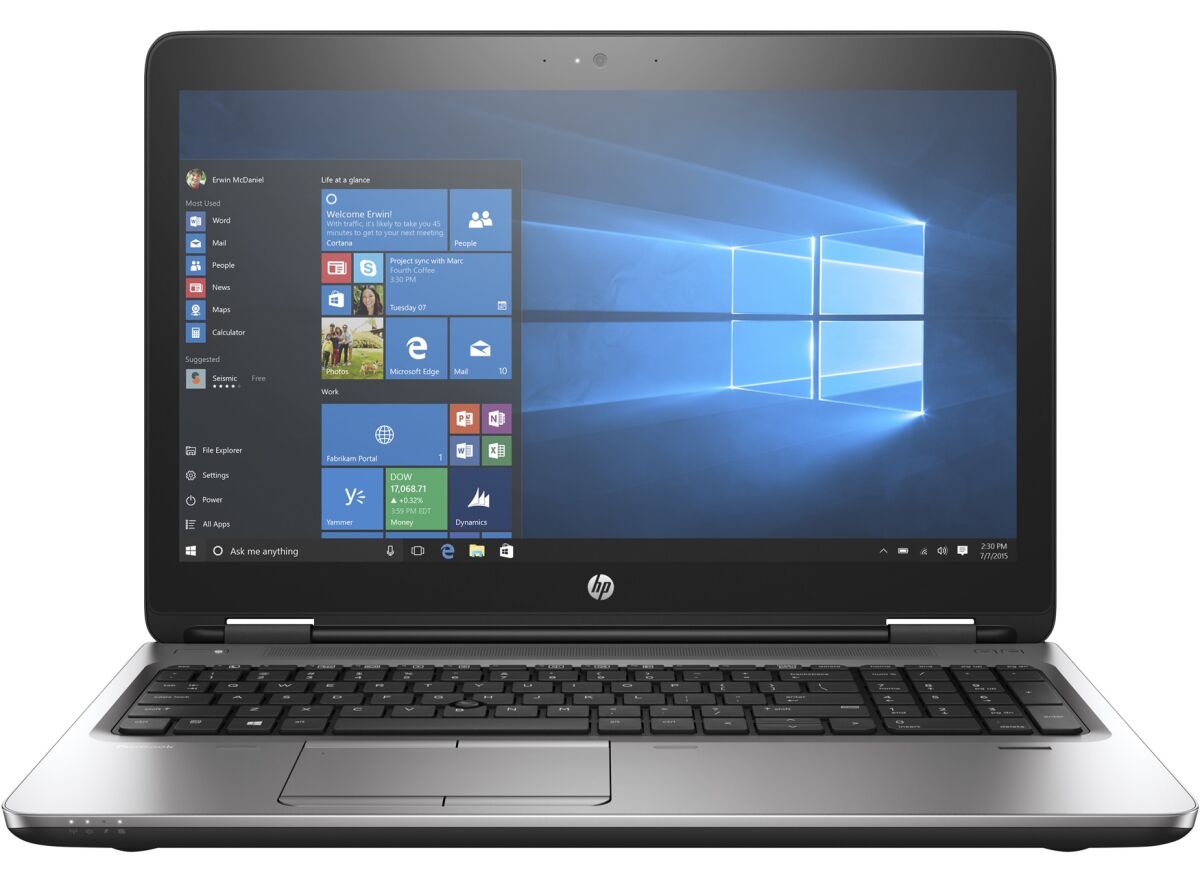

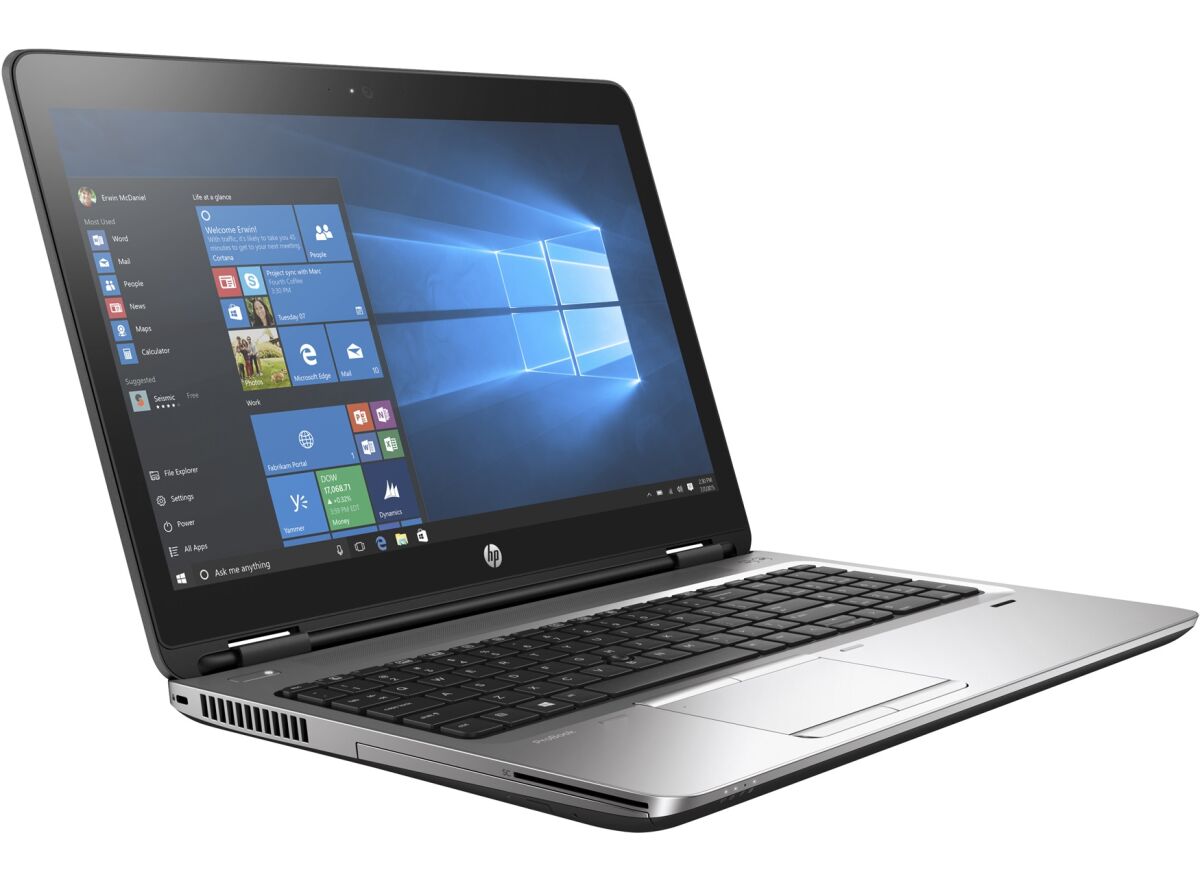
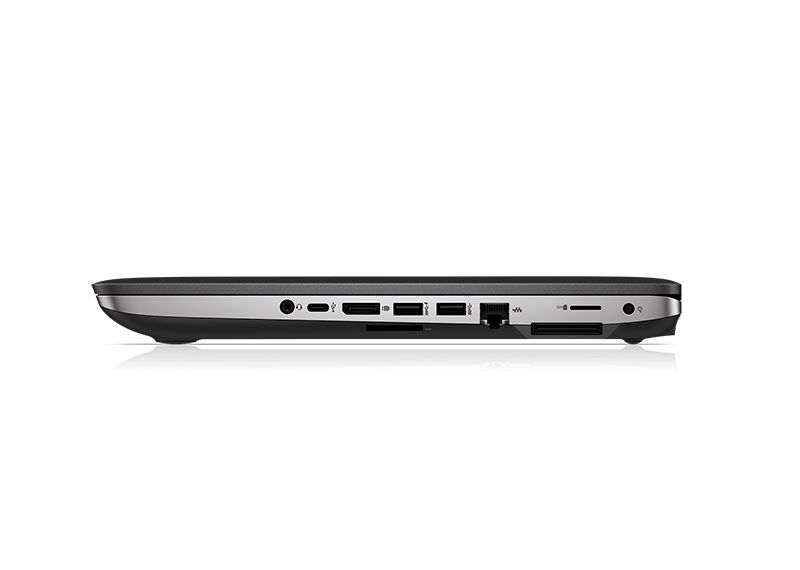
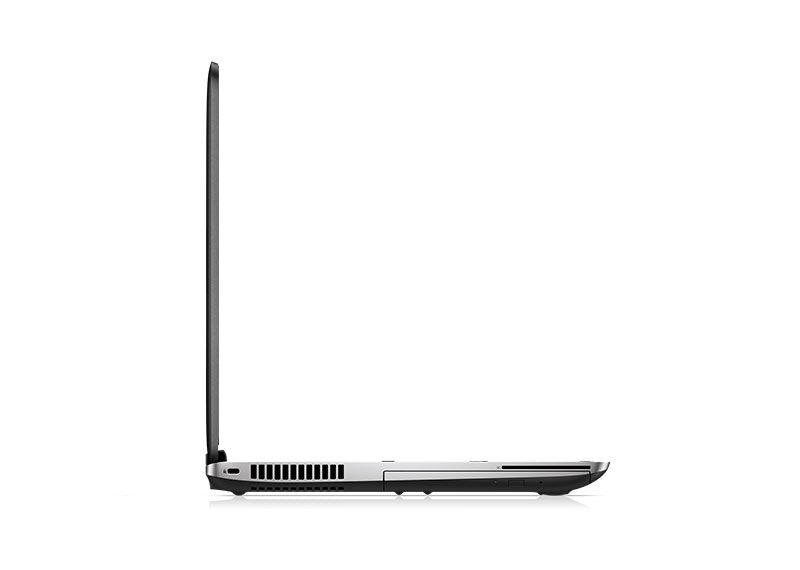
HP ProBook 650 G3 laptop memory upgrade specifications indicate two SO-DIMM slots supporting DDR4-SDRAM memory at 2133 MHz frequency. Maximum RAM capacity reaches 16 GB total. Compatible memory modules must match DDR4-SDRAM specifications and SO-DIMM form factor for proper installation. Upgrade options accommodate single or dual memory configurations within specified capacity constraints.
Memory Upgrade Specifications
| Specification | Value |
|---|---|
| Memory slots | 2x SO-DIMM |
| Form factor | SO-DIMM |
| Memory type | DDR4-SDRAM |
| Frequency | 2133 MHz |
| Maximum RAM | 16 GB |
| Voltage | 1.2V |
| Number of pins | 260-pin |
| Interface | PC4 |
| PC Speed Rating | PC4-2133 (PC4-17064) |
| Bandwidth | 17.1 GB/s |
| Laptop Release date | 28 January 2018 |
Additional Notes
- The HP ProBook 650 G3 restricts total system memory to 16 GB across both slots, requiring either a single 16 GB module or two 8 GB modules for maximum capacity.
- DDR4-2133 represents the slower end of DDR4 specifications, introducing higher latency compared to DDR4-2400 or DDR4-2666 configurations found in newer business laptops.
- Installing modules rated above 2133 MHz will result in automatic downclocking to match the system's supported frequency, negating any speed advantage from higher-rated memory.
- SO-DIMM form factor compatibility eliminates standard desktop DIMM modules as upgrade options, requiring laptop-specific memory modules with the smaller physical footprint.
- Dual-channel operation requires matched pairs in both slots, as mismatched capacities or single-module configurations will reduce memory bandwidth by operating in single-channel mode.
- The 2-slot configuration limits upgrade flexibility, as reaching maximum capacity leaves no room for future expansion without replacing existing modules entirely.
- Non-ECC DDR4 modules are required, as standard business-class laptops in this segment typically lack error-correction support found in workstation-grade systems.
- Operating voltage must be 1.2V standard for DDR4, as low-voltage variants designed for different platforms may cause stability issues or prevent system boot.
- Memory access panels on business laptops of this generation typically allow user-serviceable upgrades without voiding warranty coverage, unlike ultrabook designs with soldered memory.
- CAS latency specifications interact with the fixed 2133 MHz frequency to determine actual memory responsiveness, with CL15 providing better performance than CL17 at identical speeds.