HP Probook 650 RAM upgrade specifications
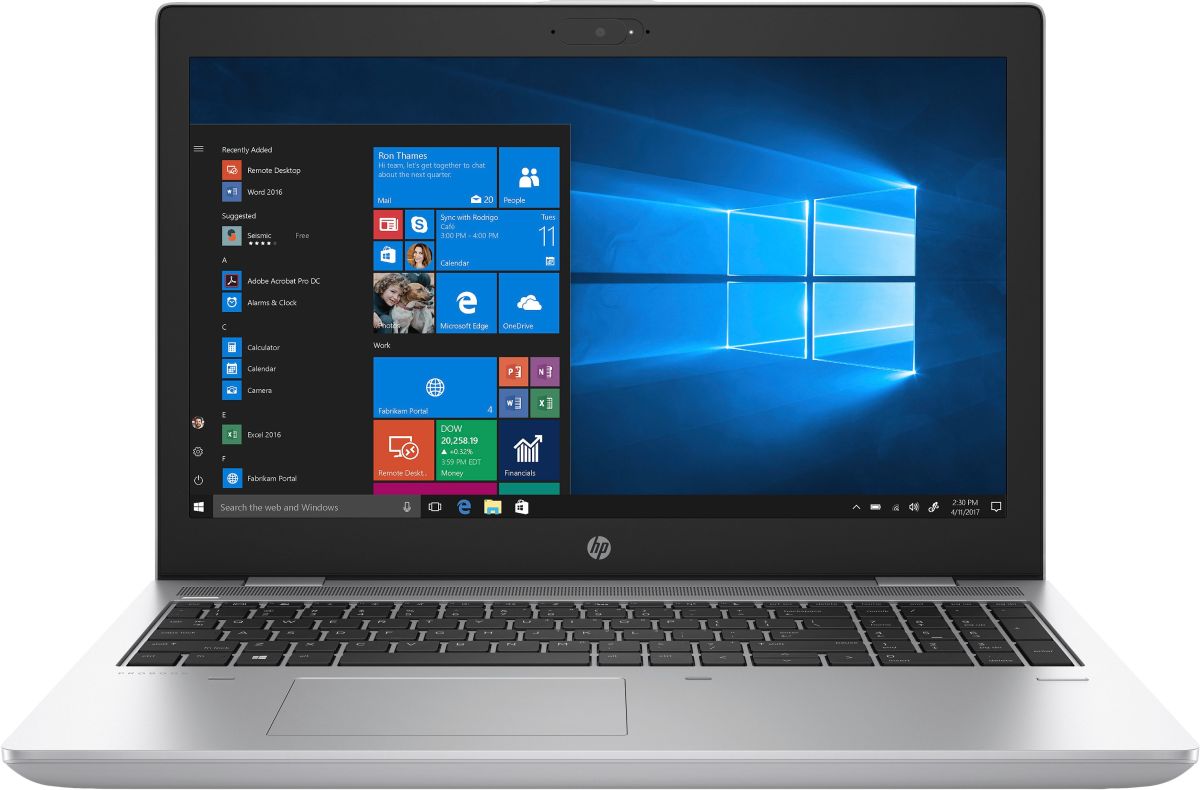
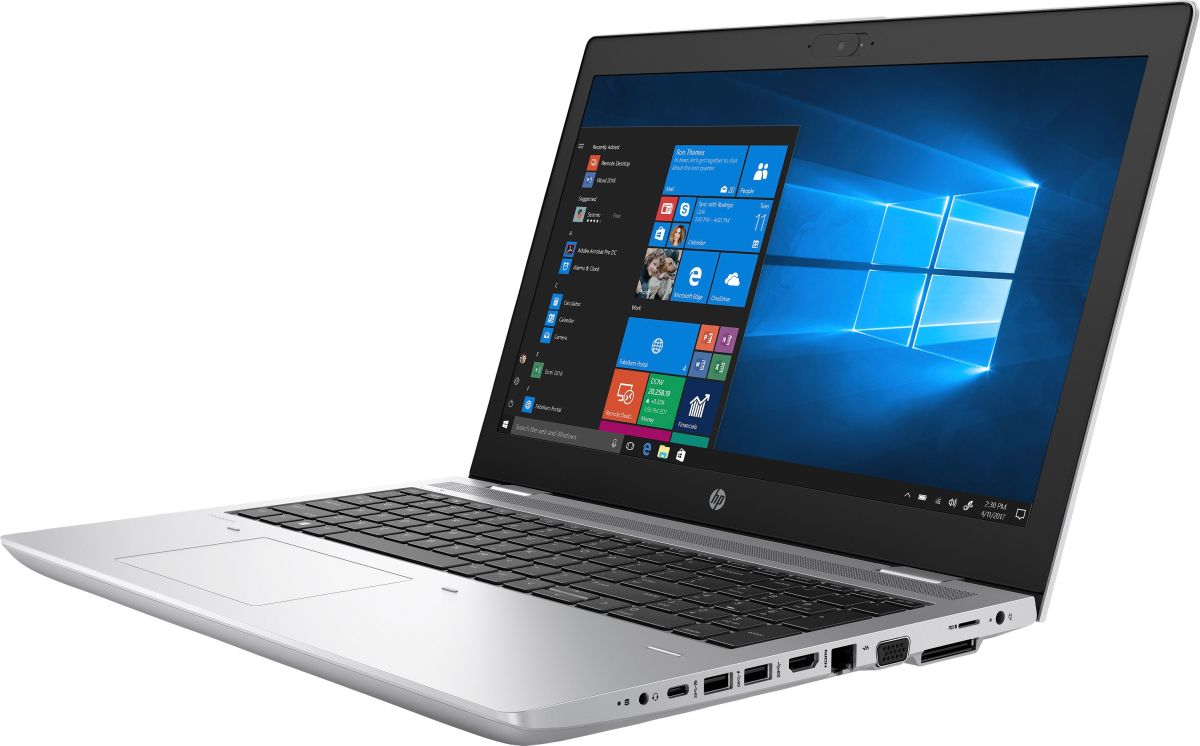
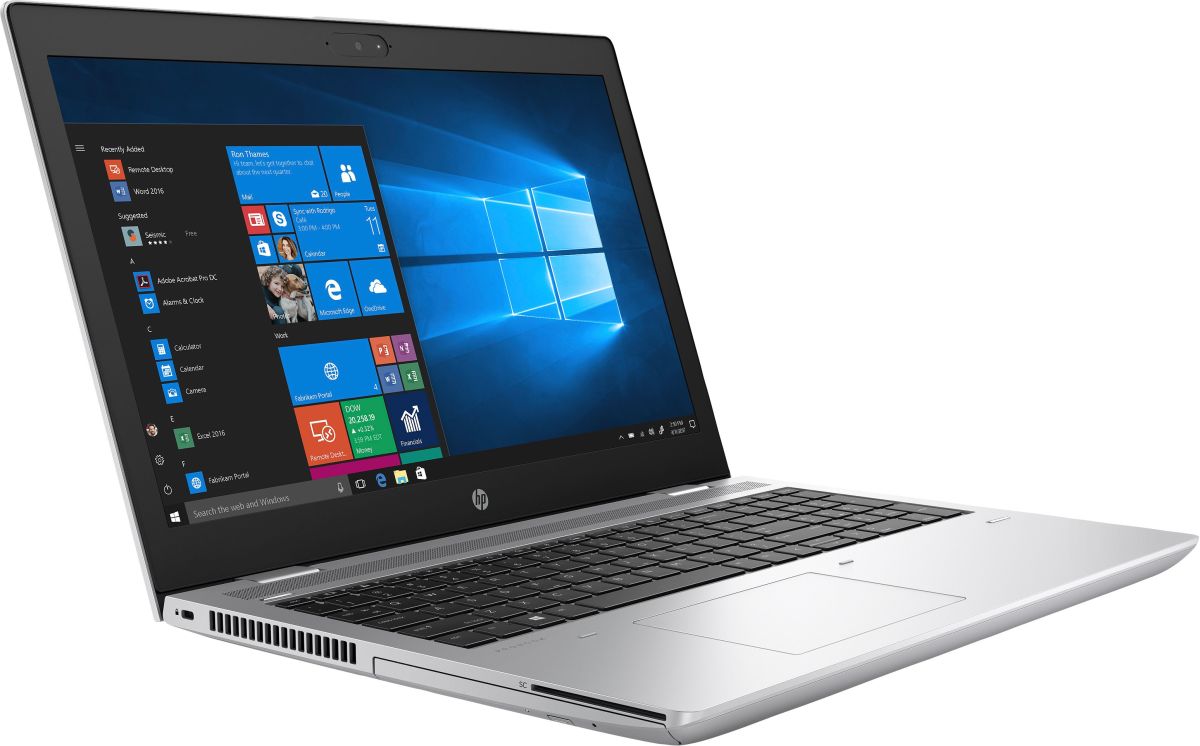

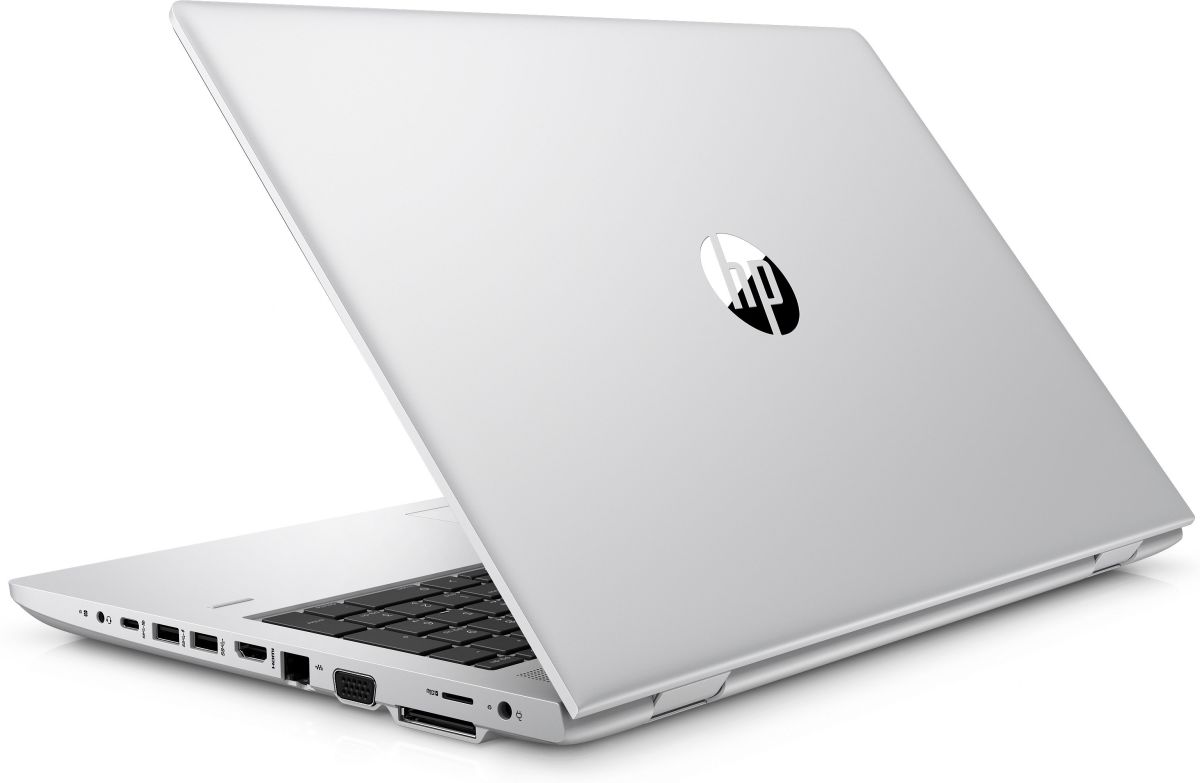
HP ProBook 650 laptop supports DDR4-SDRAM memory upgrades through two SO-DIMM slots. Maximum RAM capacity reaches 32 GB total. Compatible memory modules operate at 2400 MHz frequency and utilize SO-DIMM form factor specifications. Upgrade configurations accommodate various capacity combinations within the maximum memory threshold. The ProBook 600 series model 650 RAM upgrade slots enable expansion from factory baseline specifications to 32 GB maximum capacity.
Memory Upgrade Specifications
| Specification | Value |
|---|---|
| Memory slots | 2x SO-DIMM |
| Form factor | SO-DIMM |
| Memory type | DDR4-SDRAM |
| Frequency | 2400 MHz |
| Maximum RAM | 32 GB |
| Voltage | 1.2V |
| Number of pins | 260-pin |
| Interface | PC4 |
| PC Speed Rating | PC4-2400 (PC4-19200) |
| Bandwidth | 19.2 GB/s |
| Laptop Release date | 16 March 2018 |
Additional Notes
- SO-DIMM form factor restricts upgrade sourcing to laptop-grade modules; desktop DDR4 DIMMs are physically incompatible and will not seat in the available slots.
- 2400 MHz frequency ceiling means DDR4 modules rated higher than 2400 MHz will operate at reduced speed, incurring no performance gain from premium-speed alternatives and wasting purchase cost.
- 2 slot configuration prevents modular memory expansion beyond 32 GB; replacing both slots simultaneously represents the only path to maximum capacity.
- 32 GB aggregate maximum indicates single-slot modules of 16 GB represent the largest safe upgrade units; pairing two 16 GB modules saturates the platform.
- DDR4-SDRAM standard confirms compatibility only with DDR4 chemistry; DDR3 or DDR5 modules will not initialize regardless of physical adaptation attempts.
- Dual slot architecture means removing one module to install a larger replacement creates temporary single-channel operation until both slots are populated, reducing bandwidth efficiency during the transition state.
- 32 GB ceiling on a 2-slot platform suggests system firmware and chipset constraints rather than slot count limitations, making aftermarket BIOS modifications unlikely to unlock higher capacity support.