HP ZBook 14 G2 RAM upgrade specifications

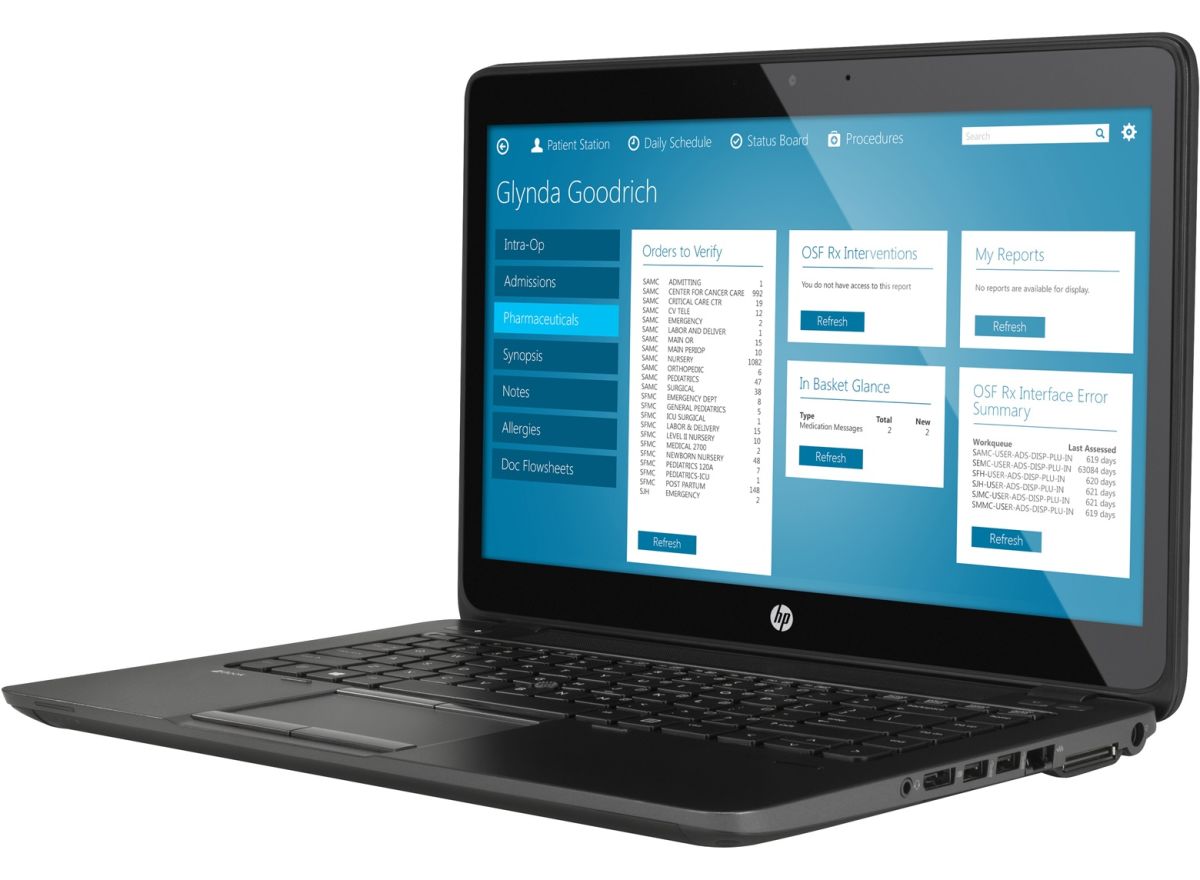
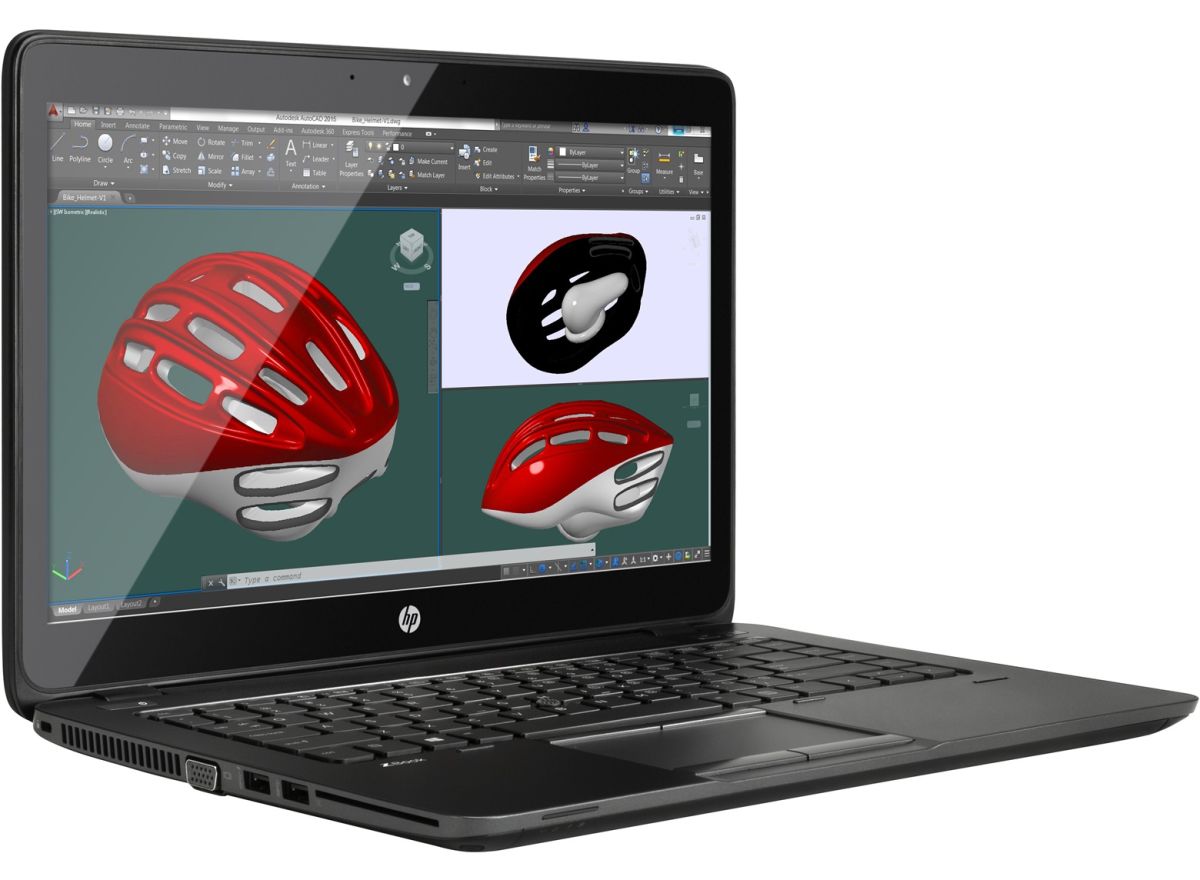
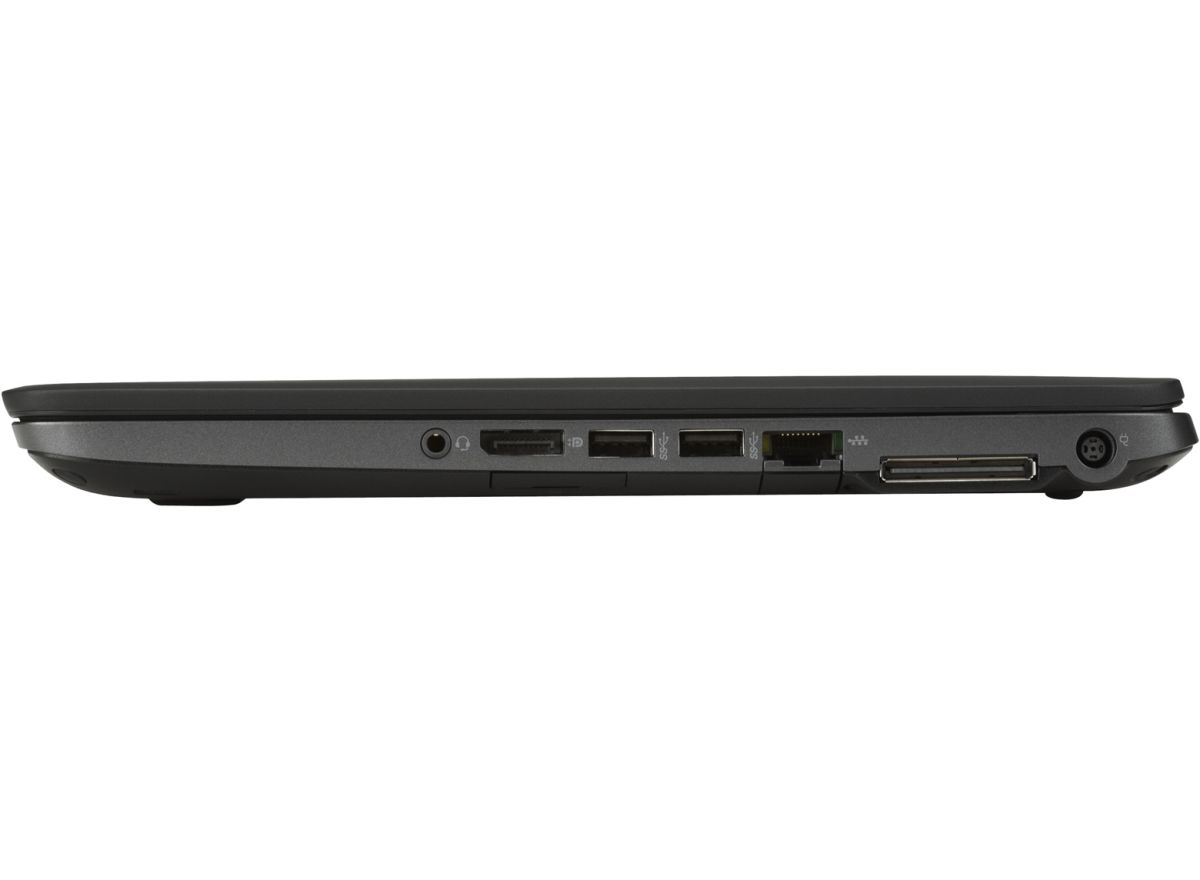
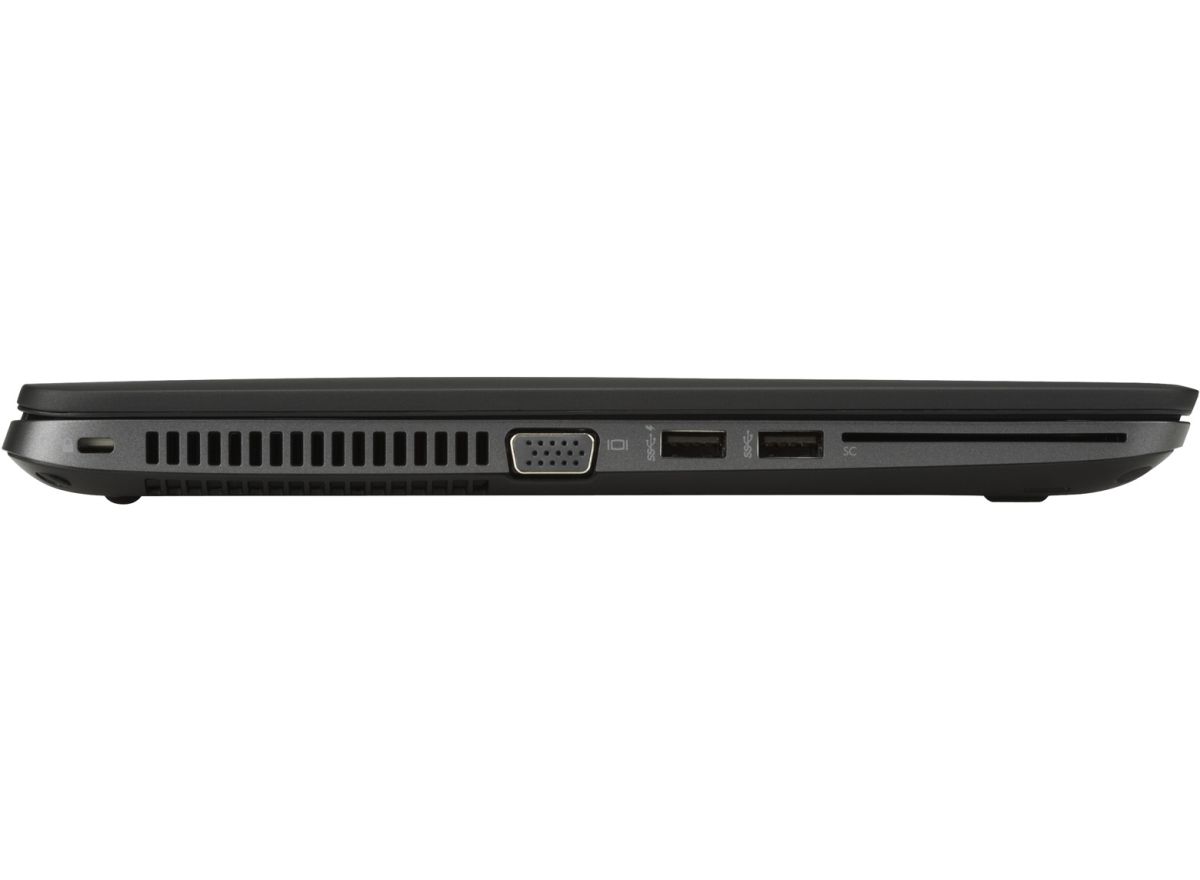
HP ZBook 14 G2 mobile workstation features DDR3L-SDRAM memory upgrade specifications with maximum capacity of 16 GB. The laptop contains 2x SO-DIMM memory slots supporting 1600 MHz frequency operation. Compatible RAM upgrades utilize SO-DIMM form factor modules. Existing memory configurations can be expanded by replacing or supplementing installed modules up to the maximum 16 GB specifications. Memory upgrade options maintain DDR3L-SDRAM compatibility standards for the ZBook 14 G2 series.
Memory Upgrade Specifications
| Specification | Value |
|---|---|
| Memory slots | 2x SO-DIMM |
| Form factor | SO-DIMM |
| Memory type | DDR3L-SDRAM |
| Frequency | 1600 MHz |
| Maximum RAM | 16 GB |
| Voltage | 1.35V (Low Voltage) |
| Number of pins | 204-pin |
| Interface | PC3L |
| PC Speed Rating | PC3L-1600 (PC3L-12800) |
| Bandwidth | 12.8 GB/s |
| Laptop Release date | 16 January 2015 |
Additional Notes
- The HP ZBook 14 G2 requires low-voltage DDR3L modules operating at 1.35V rather than standard 1.5V DDR3, as standard voltage modules may cause boot failures or system instability.
- Both memory slots must be populated with identical capacity modules to enable dual-channel operation, which doubles memory bandwidth from 12.8 GB/s to 25.6 GB/s per channel.
- The 16 GB maximum capacity constraint limits each slot to 8 GB modules, preventing future expansion beyond this threshold regardless of processor support for higher densities.
- PC3L-12800 specification denotes the required 1600 MHz speed, though modules rated at higher frequencies will downclock automatically without performance penalty.
- Mixing modules with different CAS latency timings forces all installed memory to operate at the slowest timing value present, potentially reducing performance by 5-10% in memory-intensive applications.
- The SO-DIMM form factor prohibits installation of desktop DIMM modules due to incompatible pin count (204-pin versus 240-pin) and physical dimensions.
- Memory upgrades on this mobile workstation model typically preserve manufacturer warranty coverage, unlike storage or wireless card modifications which may void service agreements.
- Single-sided memory modules offer better compatibility with tight clearances common in this chassis design, while double-sided modules may encounter physical interference with adjacent components.
- ECC memory compatibility depends on specific processor SKU, though most consumer-oriented configurations lack the necessary chipset support for error correction functionality.