HP ZBook 15 G4 RAM upgrade specifications
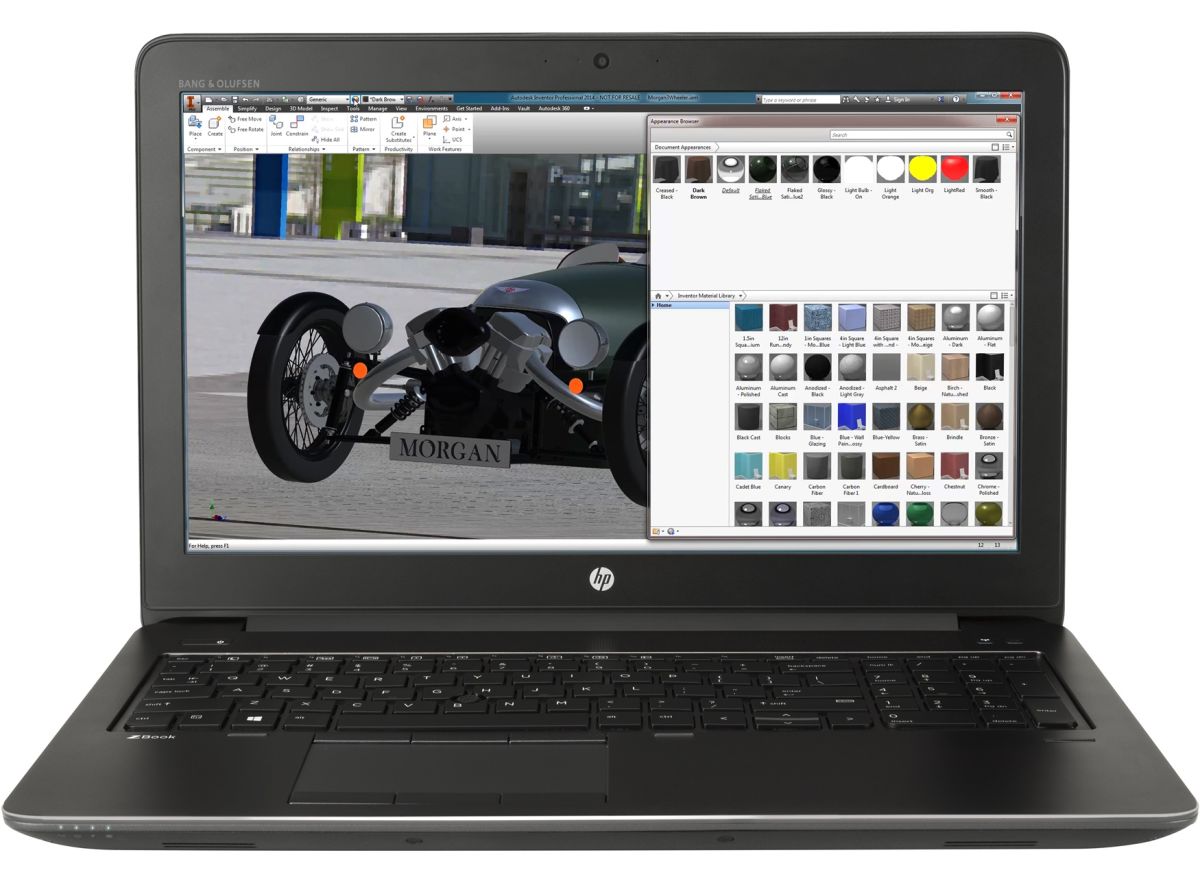
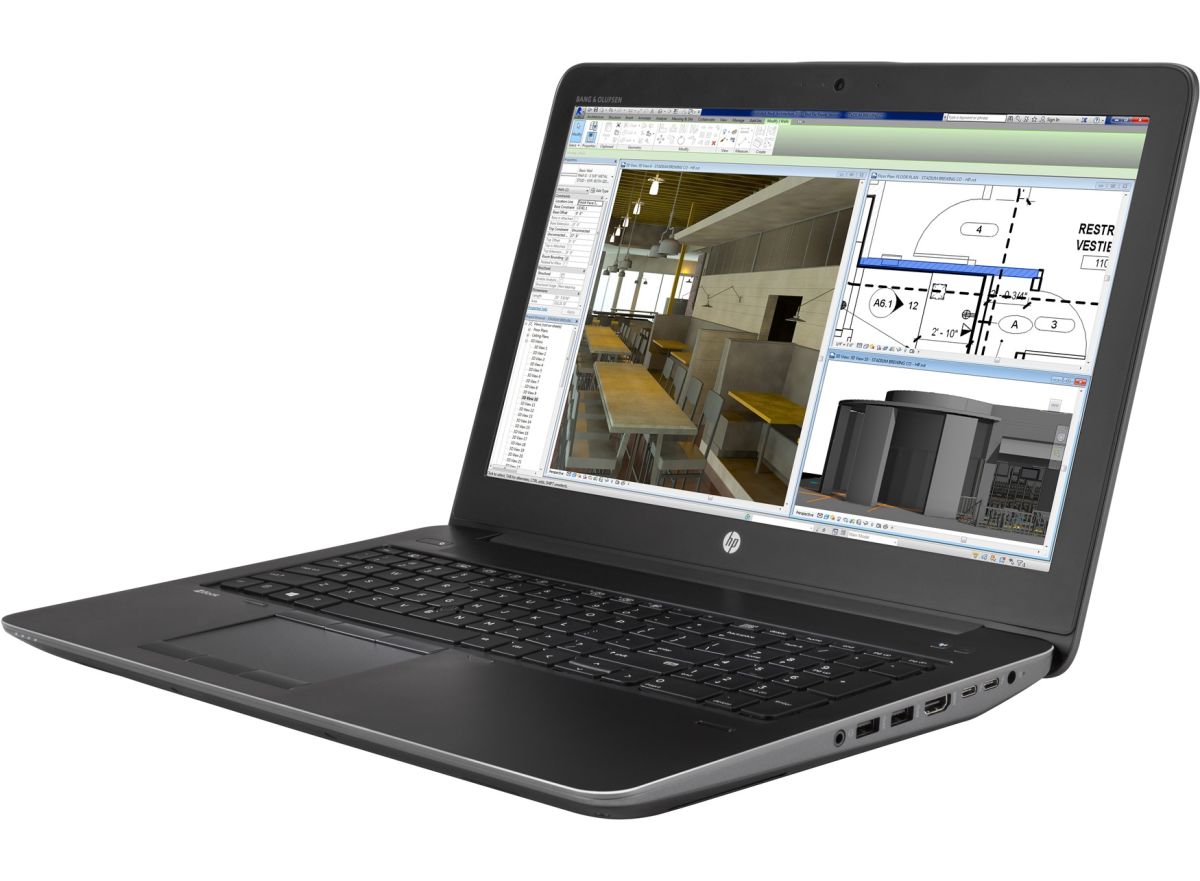
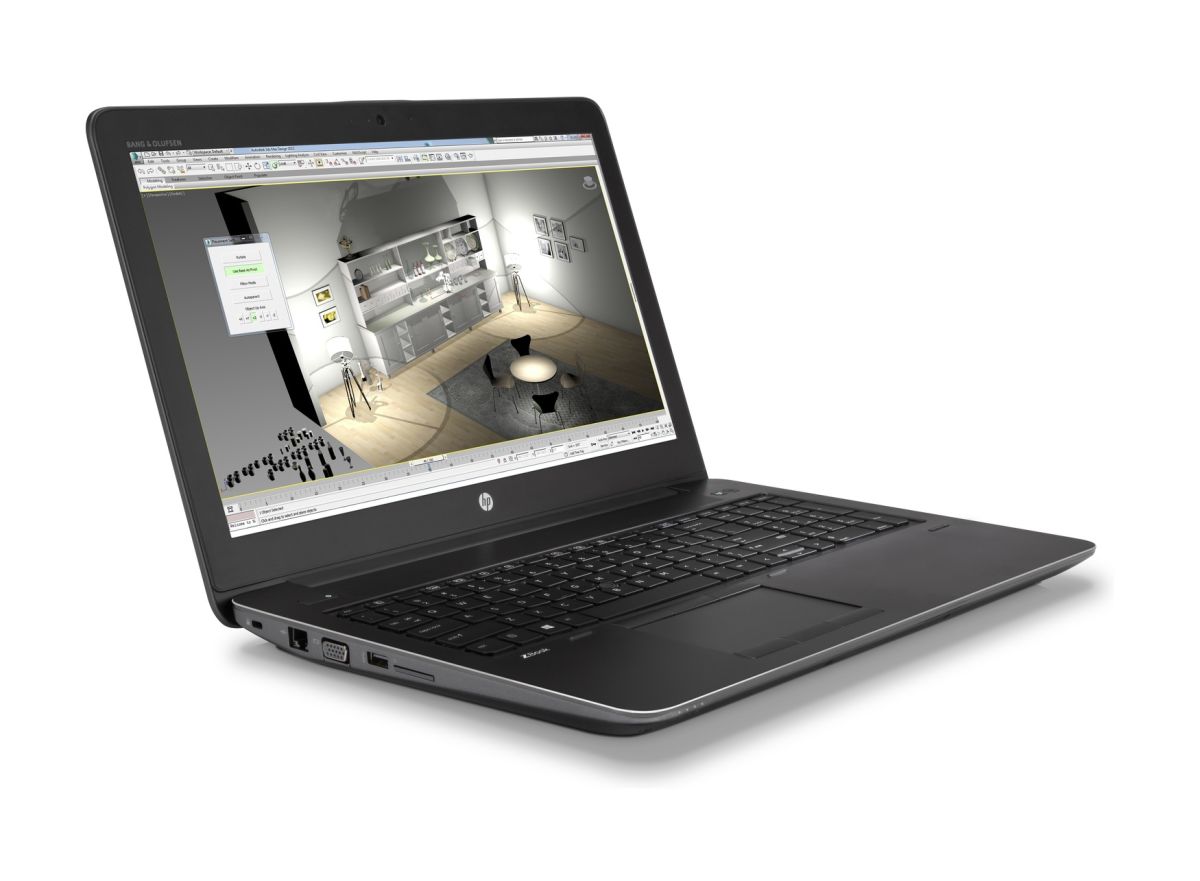
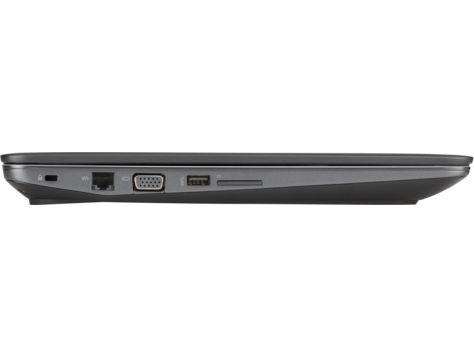
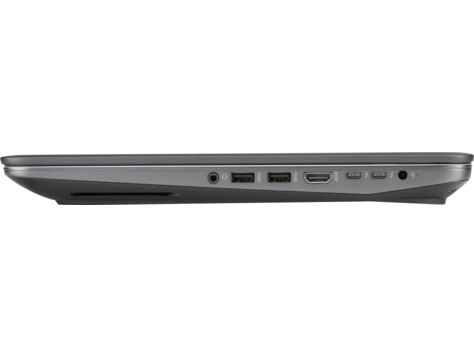
HP ZBook 15 G4 mobile workstation supports DDR4-SDRAM memory upgrades with maximum capacity of 64 GB. The upgrade configuration includes 4x SO-DIMM slots for memory installation. Compatible RAM modules operate at 2400 MHz frequency and utilize SO-DIMM form factor. Specifications indicate total memory capacity expandable to 64 GB through compatible DDR4-SDRAM upgrades across available slots.
Memory Upgrade Specifications
| Specification | Value |
|---|---|
| Memory slots | 4x SO-DIMM |
| Form factor | SO-DIMM |
| Memory type | DDR4-SDRAM |
| Frequency | 2400 MHz |
| Maximum RAM | 64 GB |
| Voltage | 1.2V |
| Number of pins | 260-pin |
| Interface | PC4 |
| PC Speed Rating | PC4-2400 (PC4-19200) |
| Bandwidth | 19.2 GB/s |
| Laptop Release date | 01 December 2017 |
Additional Notes
- The HP ZBook 15 G4 workstation accepts only DDR4 modules, excluding compatibility with older DDR3 or DDR3L memory from previous generation systems.
- Four physical slots enable asymmetric configurations such as 48 GB through combinations like three 16 GB modules with one vacant slot, rather than requiring matched pairs across all positions.
- The 2400 MHz frequency ceiling causes higher-speed modules rated at 2666 MHz or 3200 MHz to downclock automatically, negating any price premium paid for faster specifications.
- SO-DIMM form factor prevents installation of standard desktop DIMM modules, which feature different pin counts and physical dimensions despite sharing DDR4 designation.
- Reaching the 64 GB maximum requires four 16 GB modules, as theoretical 32 GB SO-DIMM modules either exceed chipset addressing capability or lack marketplace availability for this generation.
- Quad-channel memory architecture theoretically delivers 76.8 GB/s theoretical bandwidth when all four slots operate simultaneously at 2400 MHz, compared to 38.4 GB/s with dual-channel population.
- Mixing modules with different latency timings forces all installed memory to operate at the slowest common denominator CAS latency value, potentially degrading performance below individual module specifications.
- Non-ECC unbuffered modules represent the standard configuration, while registered or ECC memory types may trigger POST failures or operate in non-ECC mode depending on chipset enforcement.
- Accessing internal memory slots typically requires bottom panel removal and potential disassembly of battery or cooling components, complicating field upgrades compared to access-door designs.
- Vendor-locked BIOS configurations may enforce voltage restrictions at 1.2V standard DDR4 specification, rejecting low-voltage or overclocking-oriented modules that deviate from JEDEC standards.