HP ZBook 15 RAM upgrade specifications
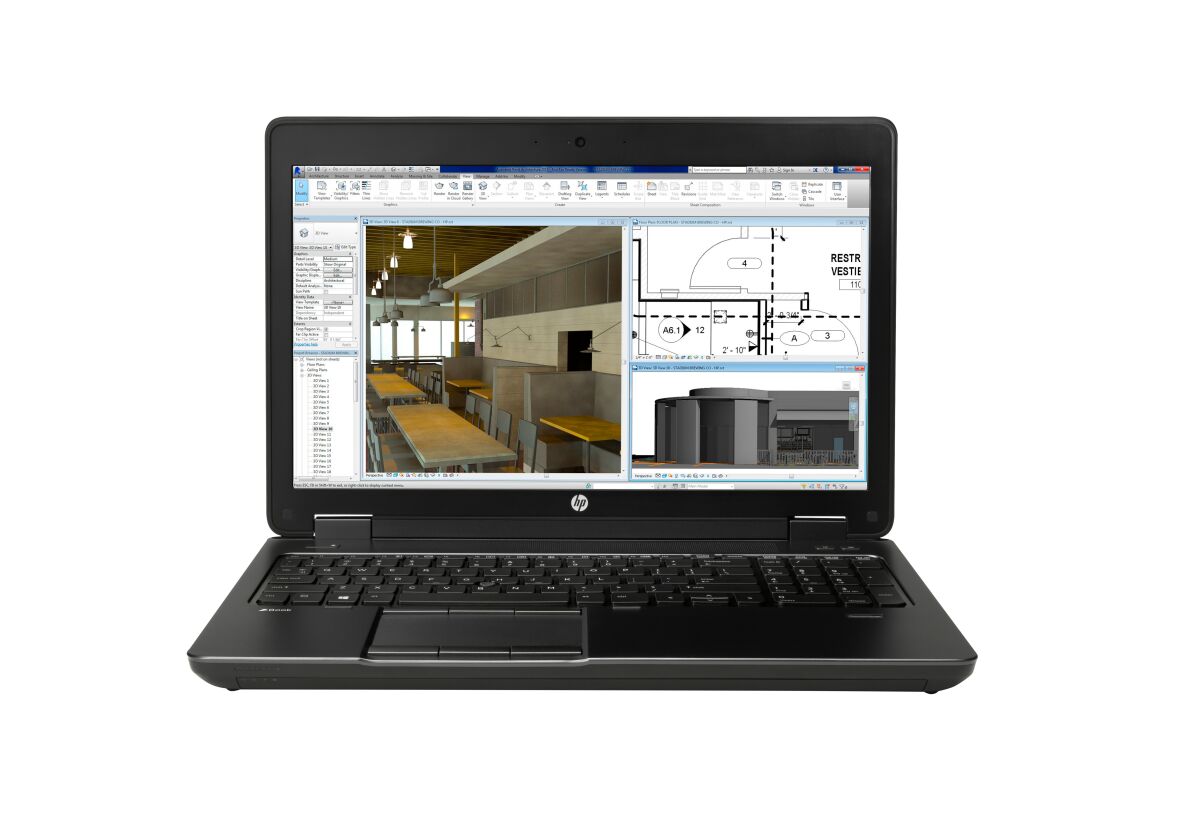

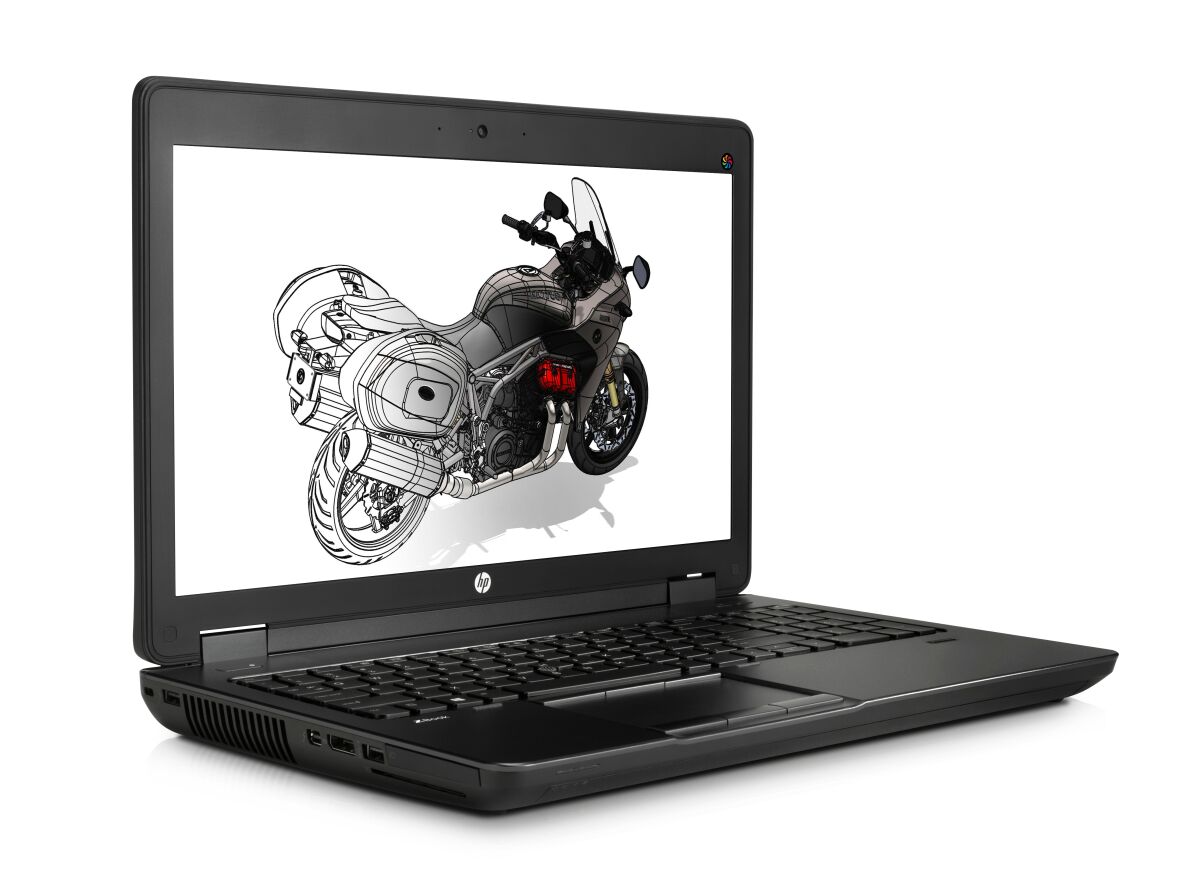
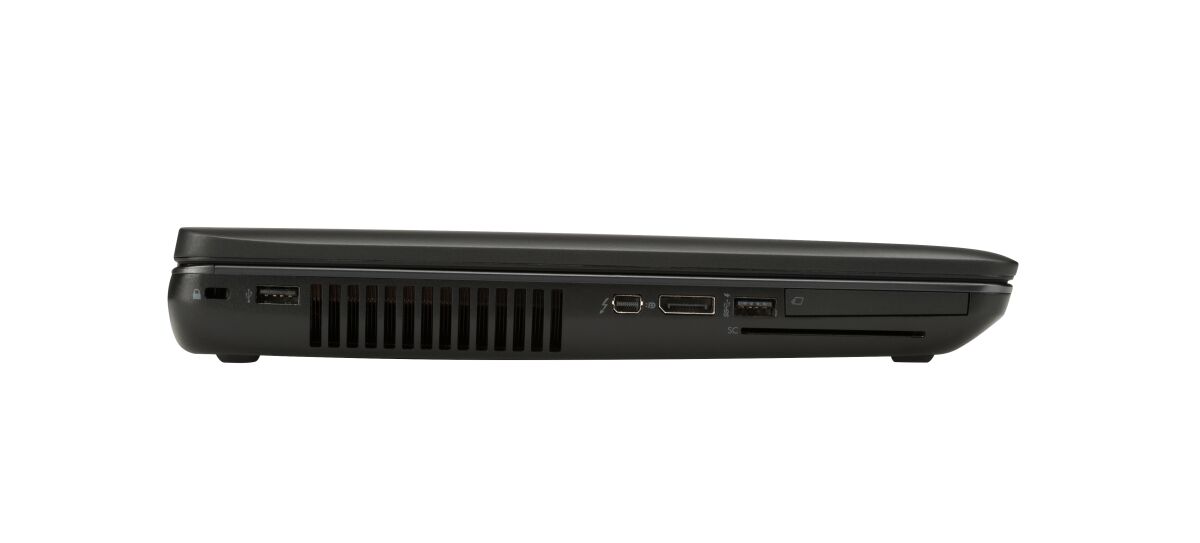
HP ZBook 15 series laptops support DDR3L-SDRAM memory upgrades with maximum capacity of 32 GB across 4 SO-DIMM slots. Compatible memory modules operate at 1600 MHz frequency and utilize SO-DIMM form factor specifications. Upgrade configurations enable expansion from factory-installed RAM to supported maximum capacity through available memory slots. Specifications define compatible memory type, frequency, and slot configuration for RAM upgrade compatibility.
Memory Upgrade Specifications
| Specification | Value |
|---|---|
| Memory slots | 4x SO-DIMM |
| Form factor | SO-DIMM |
| Memory type | DDR3L-SDRAM |
| Frequency | 1600 MHz |
| Maximum RAM | 32 GB |
| Voltage | 1.35V (Low Voltage) |
| Number of pins | 204-pin |
| Interface | PC3L |
| PC Speed Rating | PC3L-1600 (PC3L-12800) |
| Bandwidth | 12.8 GB/s |
| Laptop Release date | 26 February 2019 |
Additional Notes
- The HP ZBook 15 workstation architecture allocates 8 GB per SO-DIMM slot when fully populated, which requires sourcing matched capacity modules to achieve the 32 GB ceiling without leaving slots unused.
- DDR3L low-voltage specification operates at 1.35V instead of standard 1.5V DDR3, meaning standard DDR3 modules may cause POST failures or thermal stress despite physical socket compatibility.
- The 1600 MHz frequency translates to PC3-12800 module designation, delivering 12.8 GB/s theoretical bandwidth per channel, which becomes critical for multi-threaded CAD or rendering workloads typical of ZBook-class systems.
- Four-slot SO-DIMM configuration enables dual-channel memory architecture when populated in matching pairs, requiring installation across both channels to avoid halving memory subsystem throughput.
- Mixing module capacities or frequencies will force all installed memory to operate at the lowest common denominator speed, potentially downclocking 1866 MHz modules if combined with 1600 MHz variants.
- SO-DIMM form factor necessitates bottom panel removal for access, with specific modules requiring keyboard assembly detachment depending on slot position in the chassis layout.
- Third-party RAM installations typically preserve manufacturer warranty coverage under Magnuson-Moss provisions, though physical damage during installation remains user responsibility.
- Single-rank versus dual-rank module topology affects maximum capacity per slot, with some 8 GB SO-DIMMs using dual-rank configuration that may impact achievable frequency under full four-module population.
- DDR3L backward compatibility with DDR3 controllers exists, but forward installation of DDR4 modules is physically prevented by notch repositioning in the 260-pin SO-DIMM standard.
- ECC unbuffered SO-DIMM variants exist for DDR3L but require chipset support verification, as consumer-grade memory controllers may ignore error correction functionality even when physically compatible.