HP ZBook 14u G4 RAM upgrade specifications


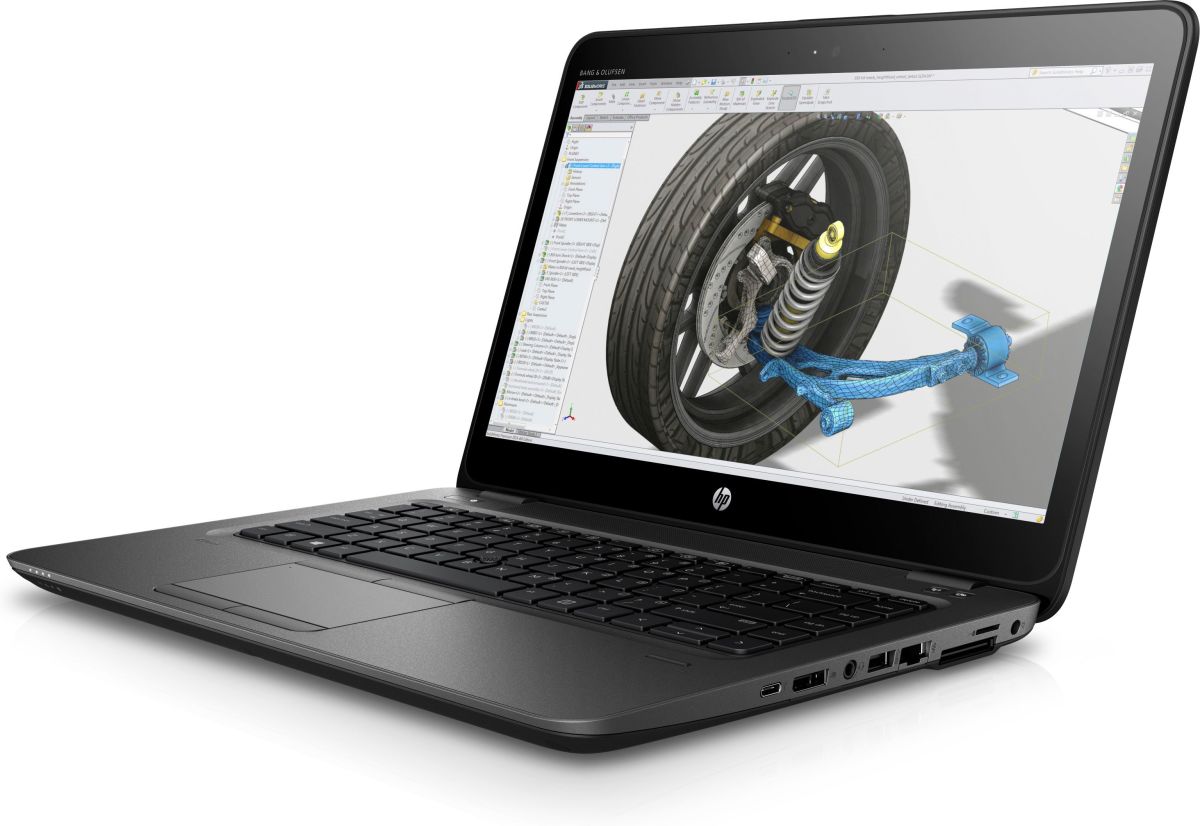
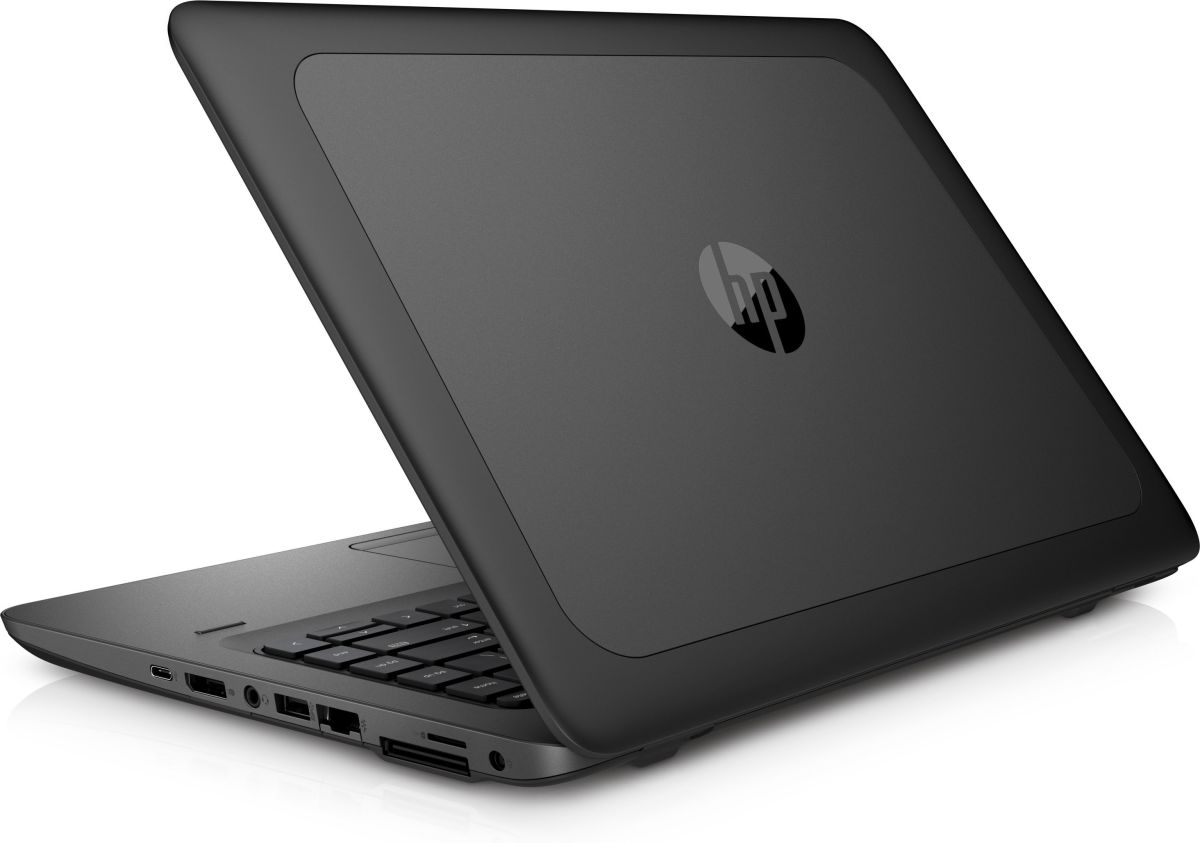
HP ZBook 14u G4 laptop memory upgrade specifications include two SO-DIMM slots supporting DDR4-SDRAM modules at 2133 MHz frequency. Maximum RAM capacity reaches 32 GB total, enabling significant memory expansion from factory configurations. Compatible upgrades utilize standard SO-DIMM form factor modules. Specifications define compatible memory types and slot architecture for RAM expansion on ZBook 14u G4 models.
Memory Upgrade Specifications
| Specification | Value |
|---|---|
| Memory slots | 2x SO-DIMM |
| Form factor | SO-DIMM |
| Memory type | DDR4-SDRAM |
| Frequency | 2133 MHz |
| Maximum RAM | 32 GB |
| Voltage | 1.2V |
| Number of pins | 260-pin |
| Interface | PC4 |
| PC Speed Rating | PC4-2133 (PC4-17064) |
| Bandwidth | 17.1 GB/s |
| Laptop Release date | 13 July 2017 |
Additional Notes
- The 2133 MHz frequency specification represents the JEDEC standard baseline for DDR4, indicating this system does not support higher-speed memory profiles and will operate all DDR4 modules at this maximum rate regardless of module rating.
- Two SO-DIMM slots with 32 GB maximum capacity indicates the system can accommodate either dual 16 GB modules or single modules up to 16 GB, with no upgrade path beyond the stated ceiling.
- SO-DIMM form factor limits upgrade sources to laptop-grade memory modules; desktop DDR4 UDIMM modules are physically incompatible and cannot be adapted through passive means.
- The 2133 MHz specification combined with DDR4-SDRAM type suggests this generation predates widespread DDR4 speed standardization, potentially limiting memory compatibility to HP-qualified vendor lists to avoid stability issues with newer, faster-rated modules.
- Replacing both SO-DIMM slots with maximum-capacity modules requires removal of existing memory; the 2-slot architecture provides no opportunity to test new memory alongside current modules before full system transition.
- Memory bandwidth at 2133 MHz with 64-bit DDR4 architecture yields approximately 17 GB/s peak throughput, which may present constraints for workloads requiring high-speed data transfers between system RAM and discrete GPU or storage subsystems.