HP ZBook G3 RAM upgrade specifications
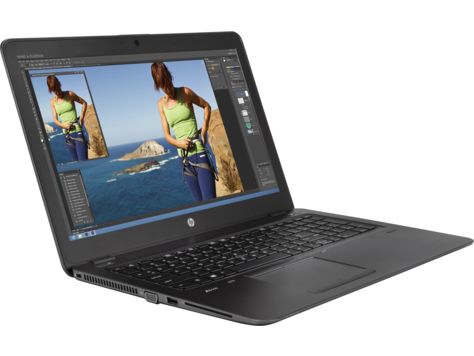
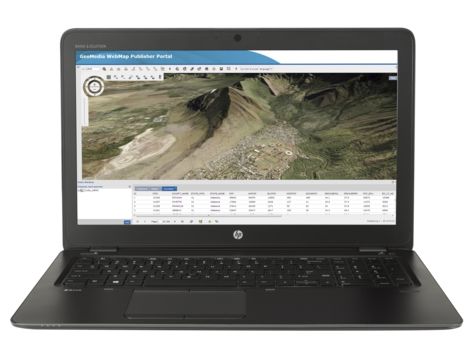
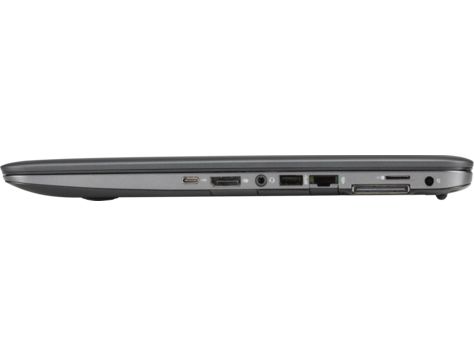
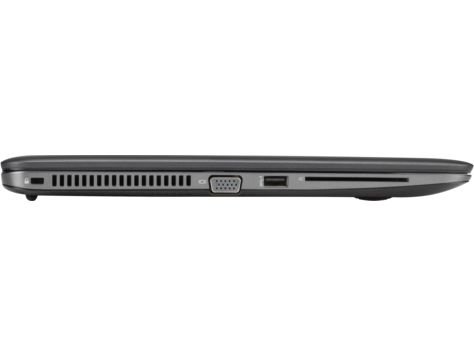
HP ZBook 15 G3 mobile workstation supports DDR4-SDRAM memory upgrades through 2x SO-DIMM slots. Maximum RAM capacity reaches 32 GB with DDR4 modules operating at 2133 MHz frequency. SO-DIMM form factor memory modules are required for compatibility with specifications. Upgrade configurations allow combinations of DDR4-SDRAM modules to achieve specified maximum memory capacity on this ZBook 15 G3 platform.
Memory Upgrade Specifications
| Specification | Value |
|---|---|
| Memory slots | 2x SO-DIMM |
| Form factor | SO-DIMM |
| Memory type | DDR4-SDRAM |
| Frequency | 2133 MHz |
| Maximum RAM | 32 GB |
| Voltage | 1.2V |
| Number of pins | 260-pin |
| Interface | PC4 |
| PC Speed Rating | PC4-2133 (PC4-17064) |
| Bandwidth | 17.1 GB/s |
| Laptop Release date | 05 July 2016 |
Additional Notes
- The HP ZBook G3 architecture supports a maximum addressable capacity of 32 GB across 2 slots, meaning each SO-DIMM module can accommodate 16 GB without exceeding the platform ceiling.
- DDR4-2133 MHz operation represents the baseline speed tier for this generation, constraining performance gains from faster third-party modules to marginal levels since the memory controller cannot exceed this frequency regardless of module specifications.
- SO-DIMM socket configuration creates a closed upgrade path; replacement modules must match the low-profile form factor, eliminating compatibility with standard desktop DDR4 DIMMs and restricting sourcing to mobile-grade inventory.
- Single-channel to dual-channel transitions become possible only when both slots are populated with matched capacity modules, doubling memory bandwidth from single-slot operation but requiring replacement rather than augmentation of existing installations.
- The 2-slot limitation prevents staged RAM expansion; users cannot add capacity incrementally without removing existing modules, necessitating planned replacement cycles rather than additive upgrades.
- Manufacturer warranty protections typically remain valid for SO-DIMM replacements that respect original frequency and DDR4 specification compliance, as memory upgrades fall within standard service parameters for workstation platforms.
- Thermal constraints associated with mobile DDR4 modules may limit sustained performance under intensive workloads; SO-DIMM modules generate proportionally more localized heat density than desktop equivalents due to compact form factors.