HP ZBook ZBook 15v G5 Mobile Workstation (7PA09AV) RAM upgrade specifications
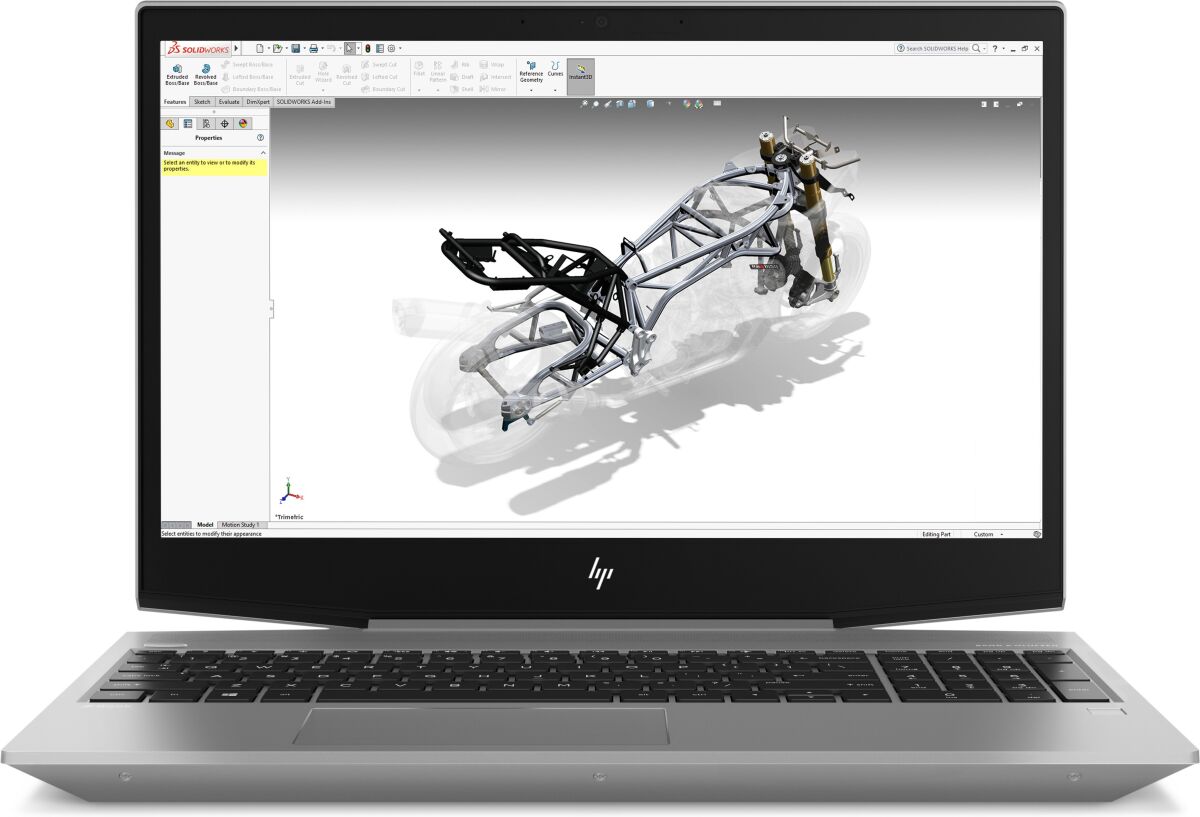
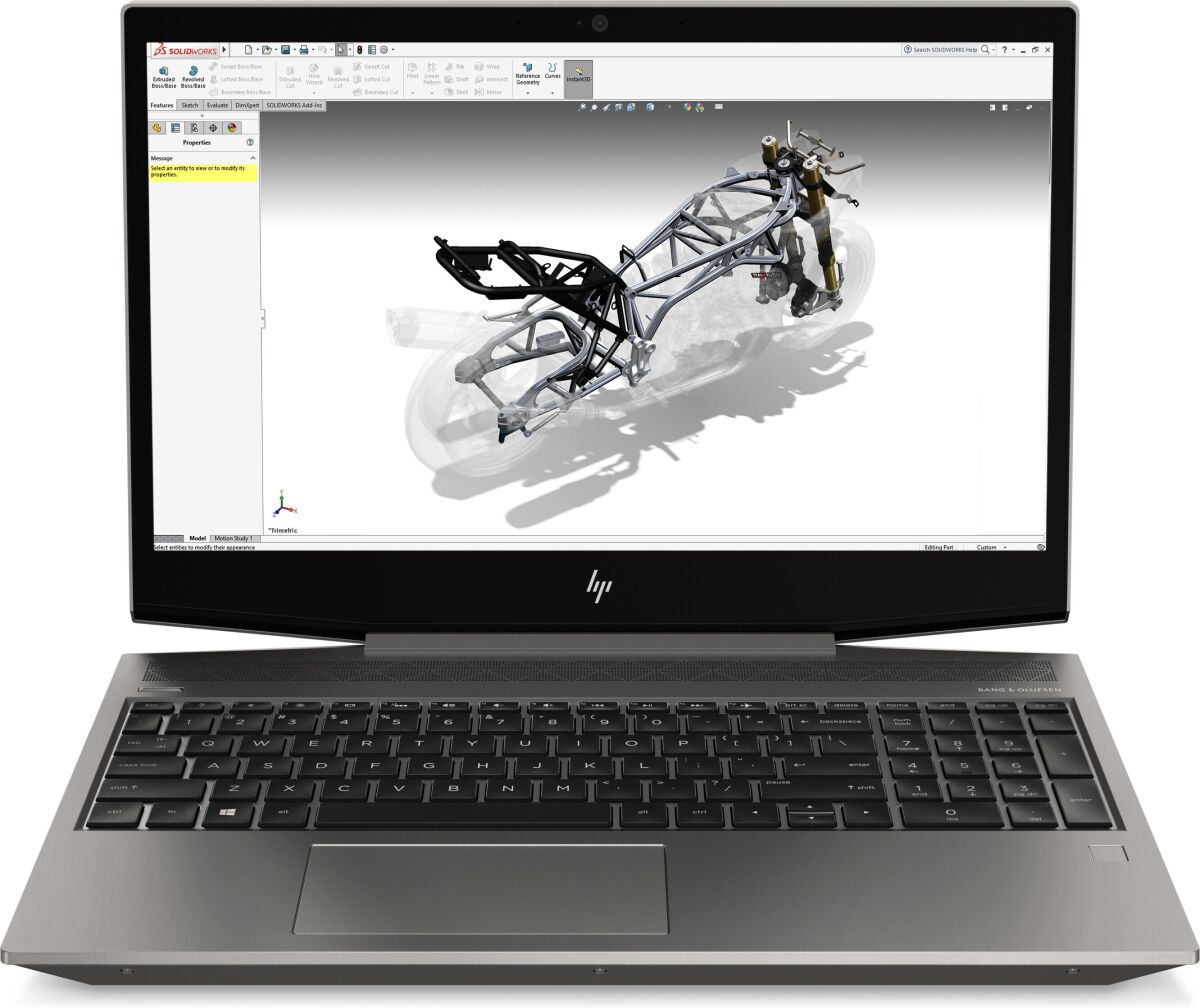
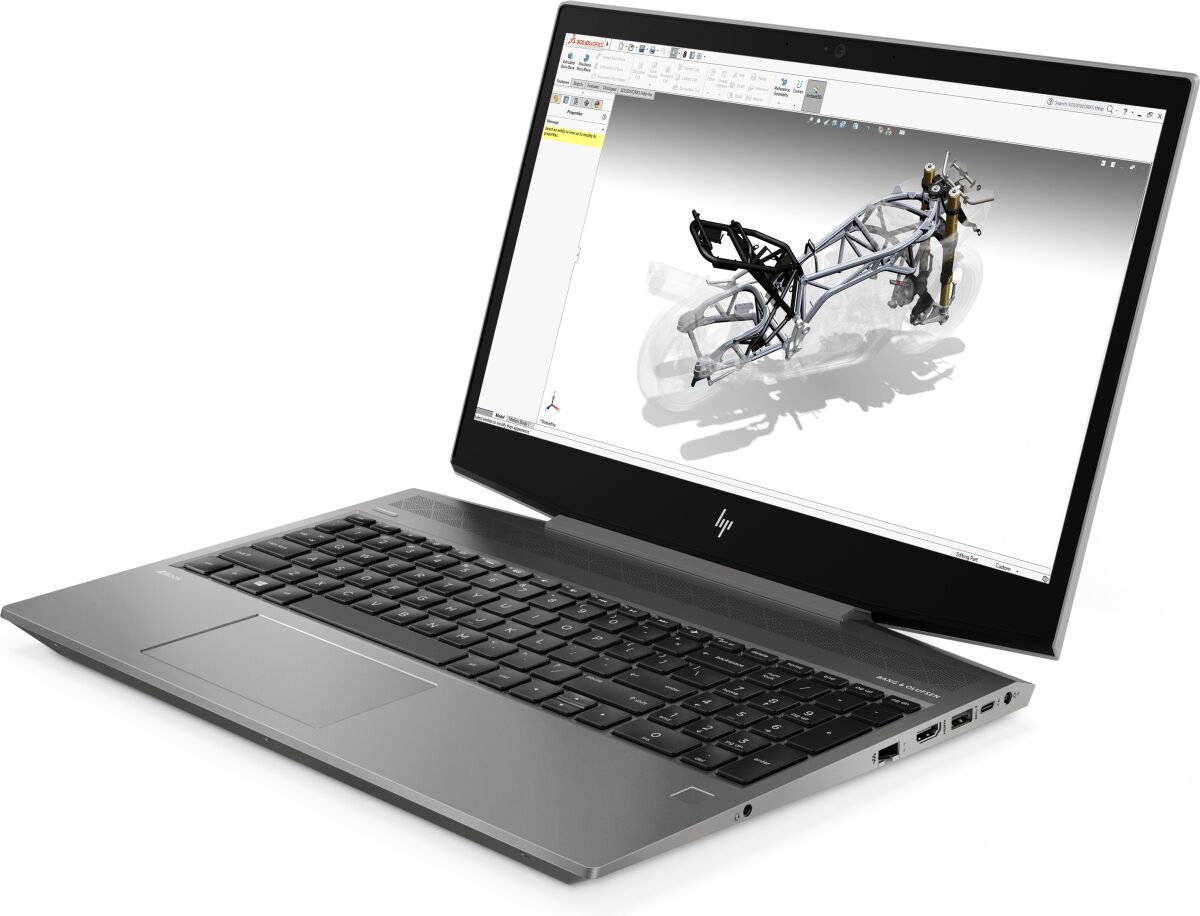
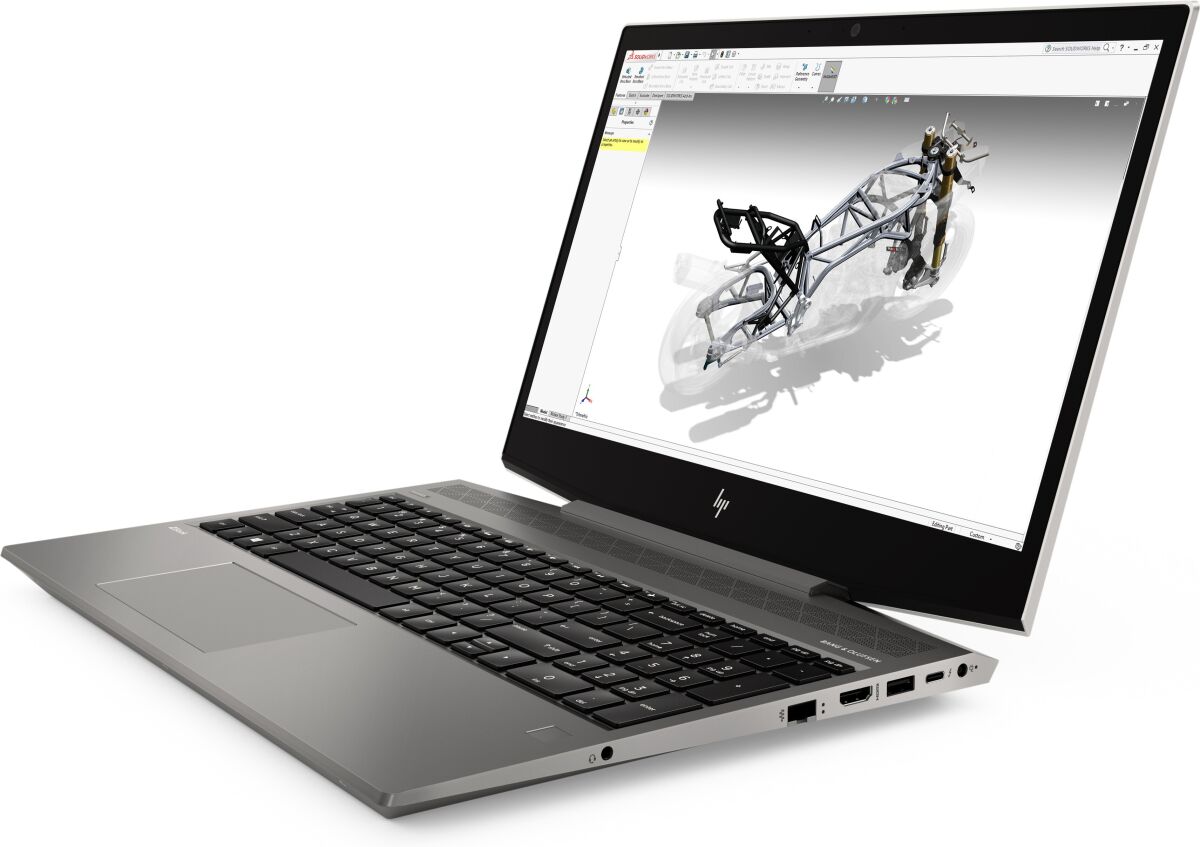
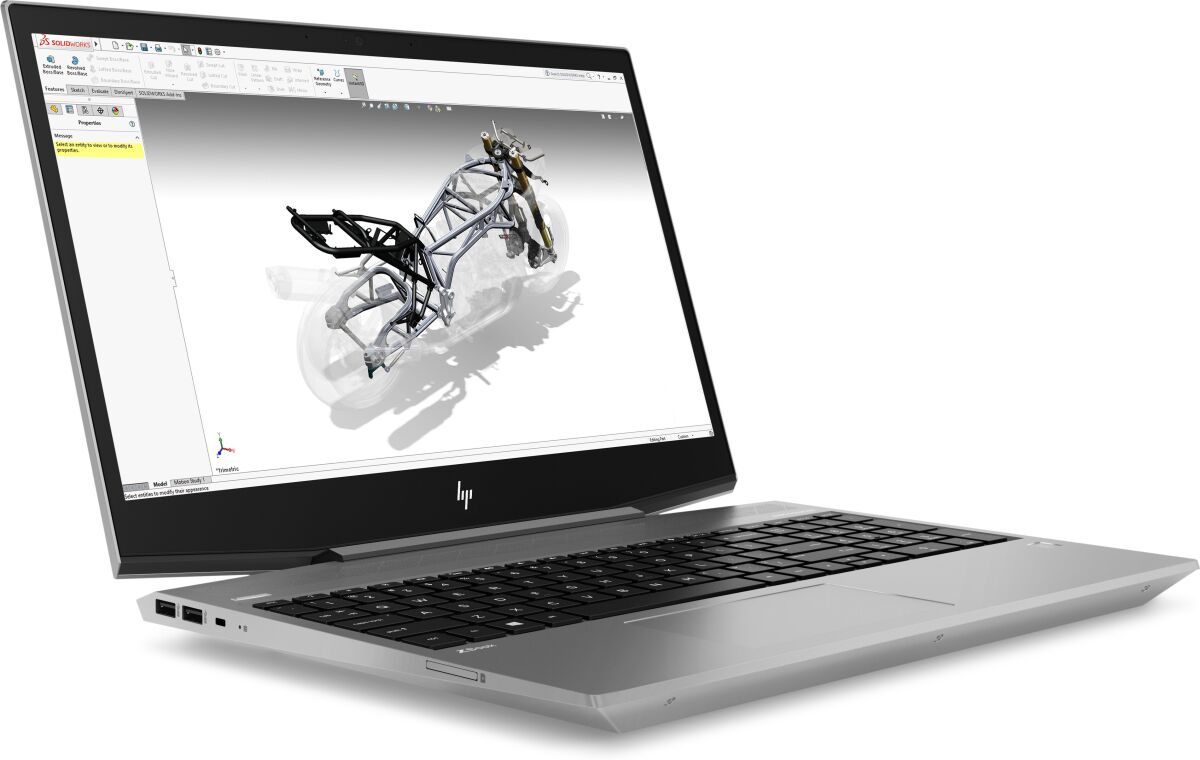
The HP ZBook 15v G5 Mobile Workstation (7PA09AV) features two SO-DIMM slots for DDR4-SDRAM memory upgrades. Maximum supported capacity reaches 32 GB total memory configuration. Compatible memory modules operate at 2666 MHz frequency. Upgrade specifications allow installation of DDR4-SDRAM modules in SO-DIMM form factor. The ZBook 15v G5 Mobile Workstation series supports memory expansion to achieve maximum RAM capacity of 32 GB across both available slots. Specifications confirm DDR4-SDRAM compatibility for the 7PA09AV model variant.
Memory Upgrade Specifications
| Specification | Value |
|---|---|
| Memory slots | 2x SO-DIMM |
| Form factor | SO-DIMM |
| Memory type | DDR4-SDRAM |
| Frequency | 2666 MHz |
| Maximum RAM | 32 GB |
| Voltage | 1.2V |
| Number of pins | 260-pin |
| Interface | PC4 |
| PC Speed Rating | PC4-2666 (PC4-21328) |
| Bandwidth | 21.3 GB/s |
| Laptop Release date | 11 November 2019 |
Additional Notes
- The internal architecture utilizes a dual channel configuration which requires matching modules in both slots to ensure peak memory bandwidth for rendering and simulation tasks.
- The HP ZBook 15v G5 Mobile Workstation (7PA09AV) motherboard enforces a hardware ceiling that prevents the recognition of high density 32 GB single sticks despite the presence of 2 physical slots.
- Installing memory modules with frequencies exceeding 2666 MHz results in automatic downclocking to the system bus limit to maintain stability within the workstation chipset parameters.
- The SO-DIMM form factor necessitates the use of small outline vertical clearance modules and precludes the installation of desktop grade components or lidded heat sinks.
- Mixing ECC and non ECC memory types within the 2 available slots triggers a POST failure and halts the boot sequence due to incompatible parity logic.
- Latency parity between the 2 slots is essential to avoid system micro stuttering as the memory controller defaults to the timing profile of the slowest installed module.
- Hardware upgrades performed via the dedicated access panel do not void the standard manufacturer coverage provided the internal electronic components remain free from mechanical stress or electrostatic discharge.