LENOVO IdeaPad 15IAU7 RAM upgrade specifications
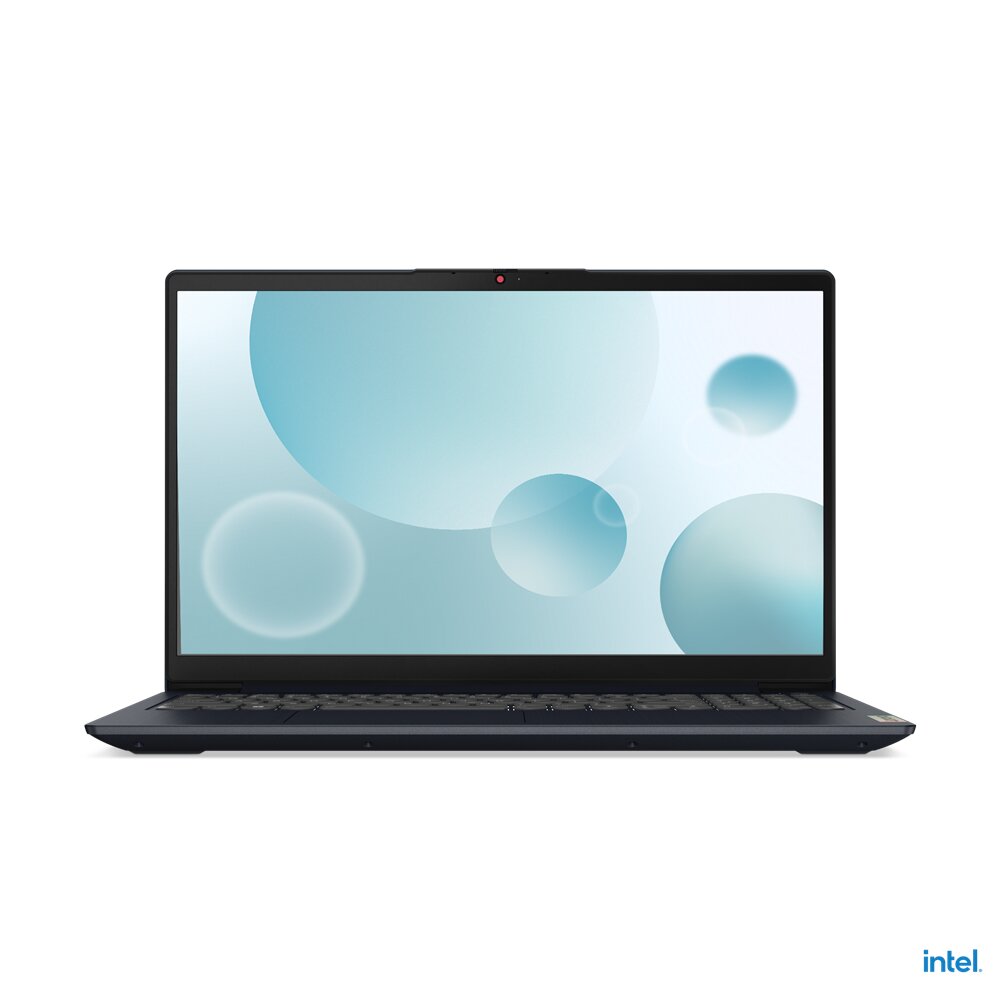

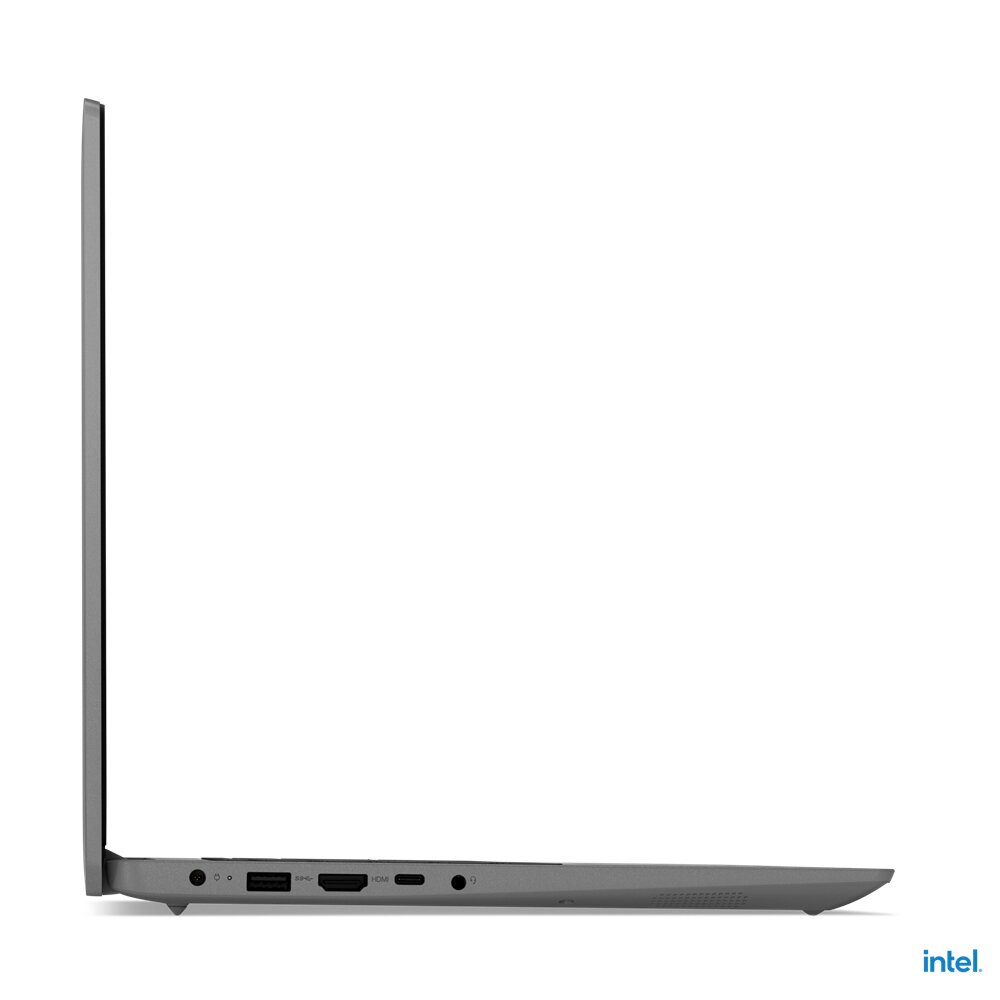
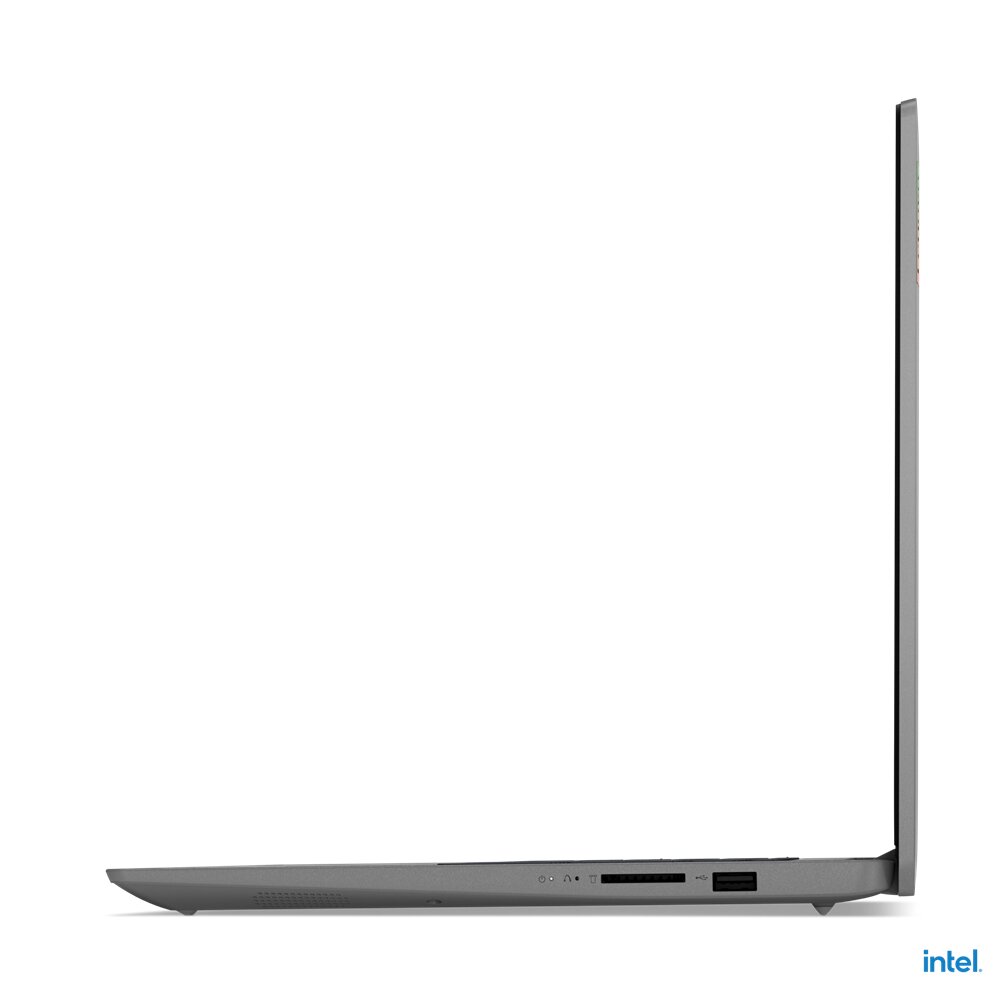
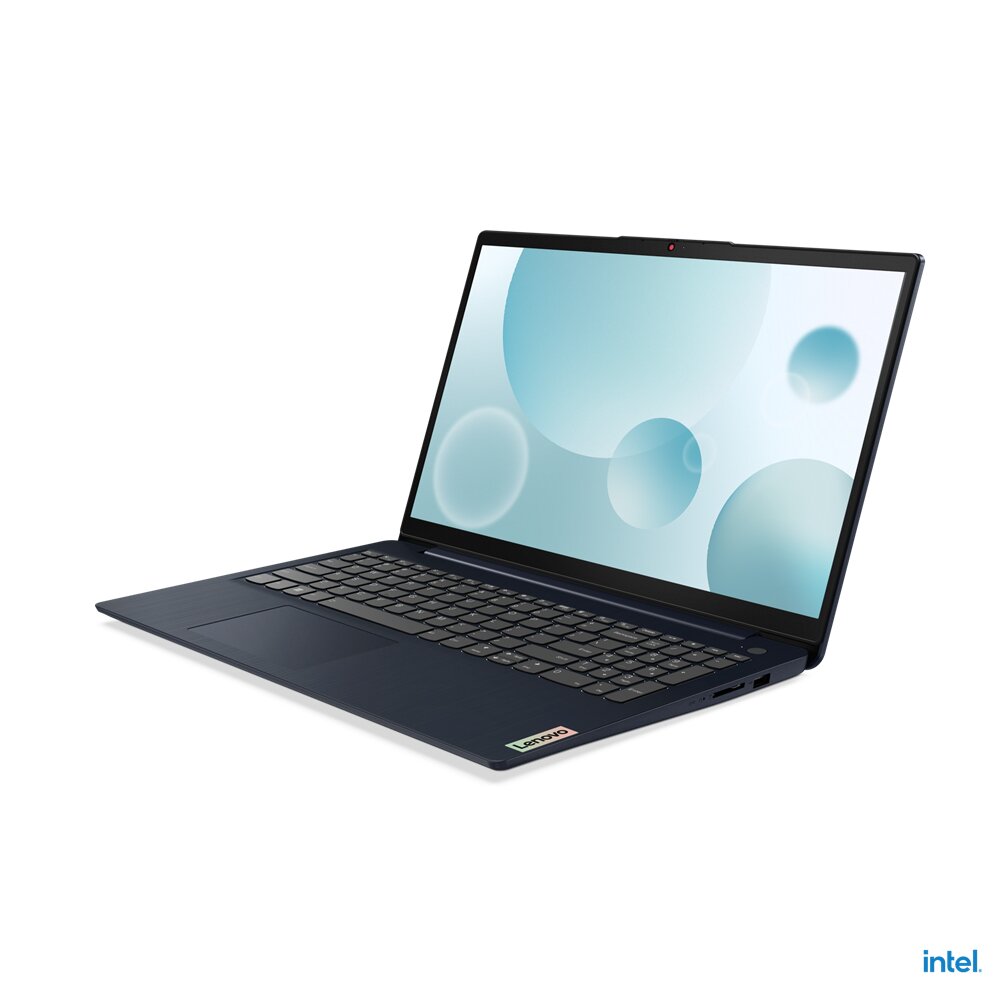
The Lenovo IdeaPad 3 15IAU7 contains one SO-DIMM slot for memory upgrade capacity. The laptop features DDR4-SDRAM memory operating at 3200 MHz frequency. Maximum RAM specifications support up to 16 GB total capacity through compatible SO-DIMM modules. Upgrade slots allow installation of additional memory modules to enhance system performance. The device incorporates on-board memory combined with the single SO-DIMM upgrade slot for expanded memory configurations.
Memory Upgrade Specifications
| Specification | Value |
|---|---|
| Memory slots | 1x SO-DIMM |
| Form factor | On-board + SO-DIMM |
| Memory type | DDR4-SDRAM |
| Frequency | 3200 MHz |
| Maximum RAM | 16 GB |
| Voltage | 1.2V |
| Number of pins | 260-pin |
| Interface | PC4 |
| PC Speed Rating | PC4-3200 (PC4-25600) |
| Bandwidth | 25.6 GB/s |
| Laptop Release date | 28 February 2022 |
Additional Notes
- The LENOVO IdeaPad 15IAU7 features a hybrid memory architecture combining soldered RAM with a single expansion slot, limiting total system memory to 16 GB regardless of the SO-DIMM module installed.
- This configuration prevents dual-channel operation across both memory banks if the soldered capacity differs from the SO-DIMM capacity, potentially reducing memory bandwidth by approximately 25-30% in asymmetric configurations.
- DDR4-3200 represents the maximum supported frequency, meaning higher-speed modules will downclock to 3200 MHz, offering no performance advantage despite potentially higher cost.
- The single SO-DIMM slot restricts future expansion once the 16 GB ceiling is reached, as the soldered component cannot be removed or upgraded without motherboard replacement.
- Accessing the SO-DIMM slot typically requires bottom panel removal, which may void warranty seals on units still under manufacturer coverage.
- Systems shipped with 8 GB soldered memory can only accept an additional 8 GB SO-DIMM to reach the 16 GB maximum, rendering 16 GB or 32 GB modules functionally wasteful.
- The SO-DIMM form factor requires modules between 67.6 mm in height, standard for laptop memory but incompatible with desktop DIMM inventory.
- Memory operating voltage must remain within DDR4 specifications of 1.2V, as the soldered component cannot accommodate non-standard low-voltage or overclocking profiles.
- CAS latency variations between the soldered memory and aftermarket SO-DIMM may force the system to default to the slower timing profile, negating theoretical performance gains from premium modules.