LENOVO IdeaPad 3 14ABA7 RAM upgrade specifications
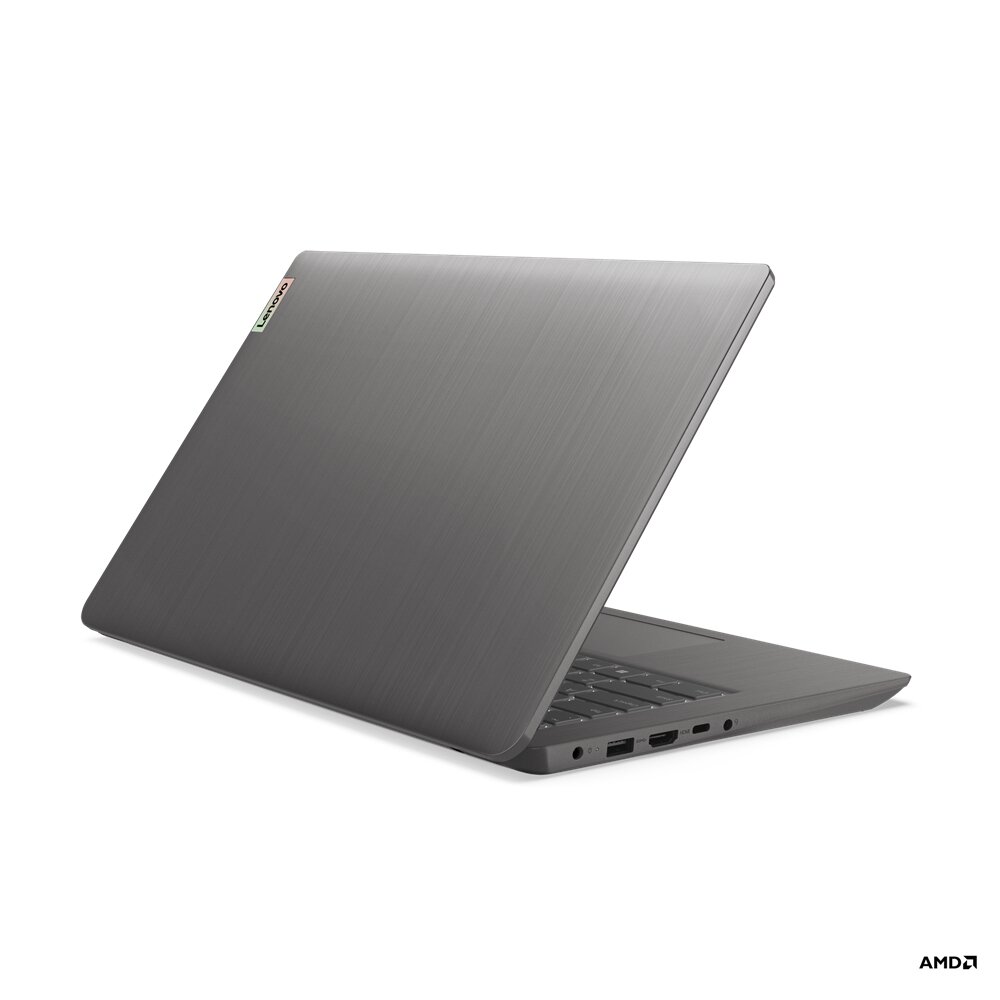
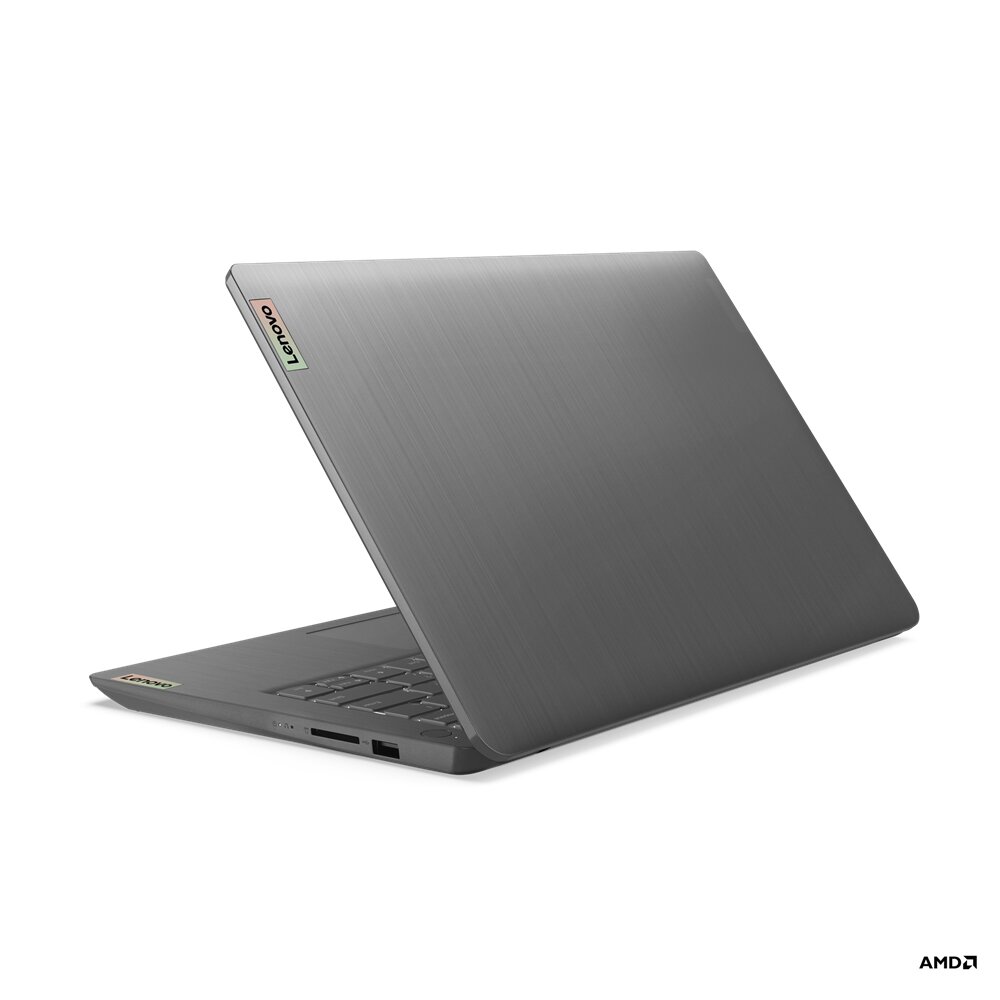
The Lenovo IdeaPad 3 14ABA7 features DDR4-SDRAM memory with upgrade capacity specifications. The laptop includes one SO-DIMM slot for memory expansion, supporting a maximum RAM capacity of 16 GB. The compatible memory operates at 3200 MHz frequency. The upgrade architecture consists of on-board memory combined with one upgradeable SO-DIMM slot, allowing users to expand the system memory from the factory configuration. Maximum specifications for the Lenovo IdeaPad 3 14ABA7 accommodate 16 GB DDR4-SDRAM modules for enhanced multitasking and application performance.
Memory Upgrade Specifications
| Specification | Value |
|---|---|
| Memory slots | 1x SO-DIMM |
| Form factor | On-board + SO-DIMM |
| Memory type | DDR4-SDRAM |
| Frequency | 3200 MHz |
| Maximum RAM | 16 GB |
| Voltage | 1.2V |
| Number of pins | 260-pin |
| Interface | PC4 |
| PC Speed Rating | PC4-3200 (PC4-25600) |
| Bandwidth | 25.6 GB/s |
Additional Notes
- The presence of a single SO-DIMM slot alongside on-board memory prevents a full dual-channel replacement, limiting total system bandwidth to the capacity of the soldered chip plus the single removable module.
- Upgrading the LENOVO IdeaPad 3 14ABA7 requires matching the 3200 MHz frequency of the soldered memory to avoid downclocking the entire system to a lower effective speed.
- Physical expansion is restricted to 1 module, meaning any future capacity increase requires discarding the existing stick rather than adding a second one.
- Asymmetrical memory configurations involving different capacities between the soldered and slotted RAM will result in the system operating in partial dual-channel mode, known as Flex Mode, which can impact integrated graphics performance.
- Internal access for memory installation involves removing the base cover, which necessitates the use of non-marring pry tools to avoid damaging the plastic chassis clips.
- The 16 GB ceiling indicates a motherboard firmware limitation or a thermal design constraint that may prevent the stable use of high-density 32 GB modules despite CPU compatibility.
- Reliability depends on using non-ECC unbuffered modules, as the consumer-grade architecture does not support error-correcting code memory.