LENOVO IdeaPad 3 14ALC6 RAM upgrade specifications

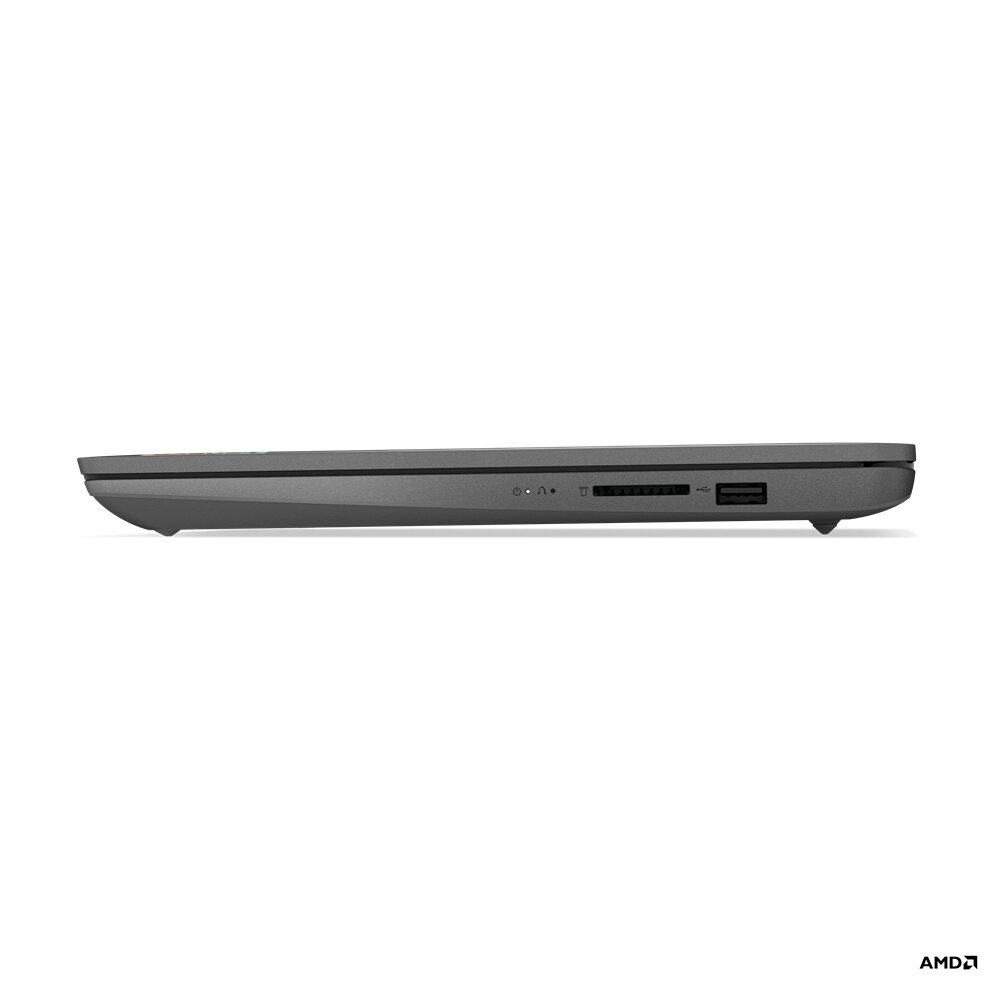
Lenovo IdeaPad 3 14ALC6 supports DDR4-SDRAM memory upgrades with one SO-DIMM slot available for expansion. The laptop features on-board memory combined with a single upgradeable slot, allowing maximum RAM capacity of 12 GB. Compatible memory modules operate at 3200 MHz frequency. Specifications indicate the upgrade slot accepts standard SO-DIMM form factor modules, enabling users to expand memory beyond the factory configuration for enhanced system performance and multitasking capabilities.
Memory Upgrade Specifications
| Specification | Value |
|---|---|
| Memory slots | 1x SO-DIMM |
| Form factor | On-board + SO-DIMM |
| Memory type | DDR4-SDRAM |
| Frequency | 3200 MHz |
| Maximum RAM | 12 GB |
| Voltage | 1.2V |
| Number of pins | 260-pin |
| Interface | PC4 |
| PC Speed Rating | PC4-3200 (PC4-25600) |
| Bandwidth | 25.6 GB/s |
Additional Notes
- The Lenovo IdeaPad 3 14ALC6 contains soldered memory on the motherboard with only 1 SO-DIMM slot available for user upgrades, meaning maximum expandable capacity is constrained by the pre-installed component rather than slot quantity.
- DDR4-3200 modules are widely available in the SO-DIMM form factor, but compatibility requires matching the 3200 MHz frequency specification; mixing incompatible speeds may force operation at the lowest common denominator, reducing effective bandwidth.
- The single upgrade slot permits only one memory module installation, creating an asymmetrical configuration if the soldered portion differs in capacity; dual-channel performance benefits depend on matching capacities between soldered and SO-DIMM memory.
- Upgrading to the 12 GB maximum requires purchasing a 4 GB SO-DIMM module, as 8 GB modules would exceed the stated ceiling and may not be recognized by BIOS or could cause instability due to firmware limitations.
- SO-DIMM modules occupy minimal physical space but require removal of keyboard or base panel access to reach the slot; installation difficulty varies by chassis design and may require partial disassembly beyond typical end-user comfort.
- DDR4-3200 memory modules are reaching end-of-life in manufacturing cycles; sourcing replacements may involve price premiums or longer lead times compared to DDR5 alternatives, affecting future upgrade economics.
- The soldered memory design prevents complete memory replacement, locking the baseline capacity regardless of future upgrade needs; only the SO-DIMM slot remains flexible for expansion or reconfiguration.