LENOVO IdeaPad 3 15ITL05 RAM upgrade specifications
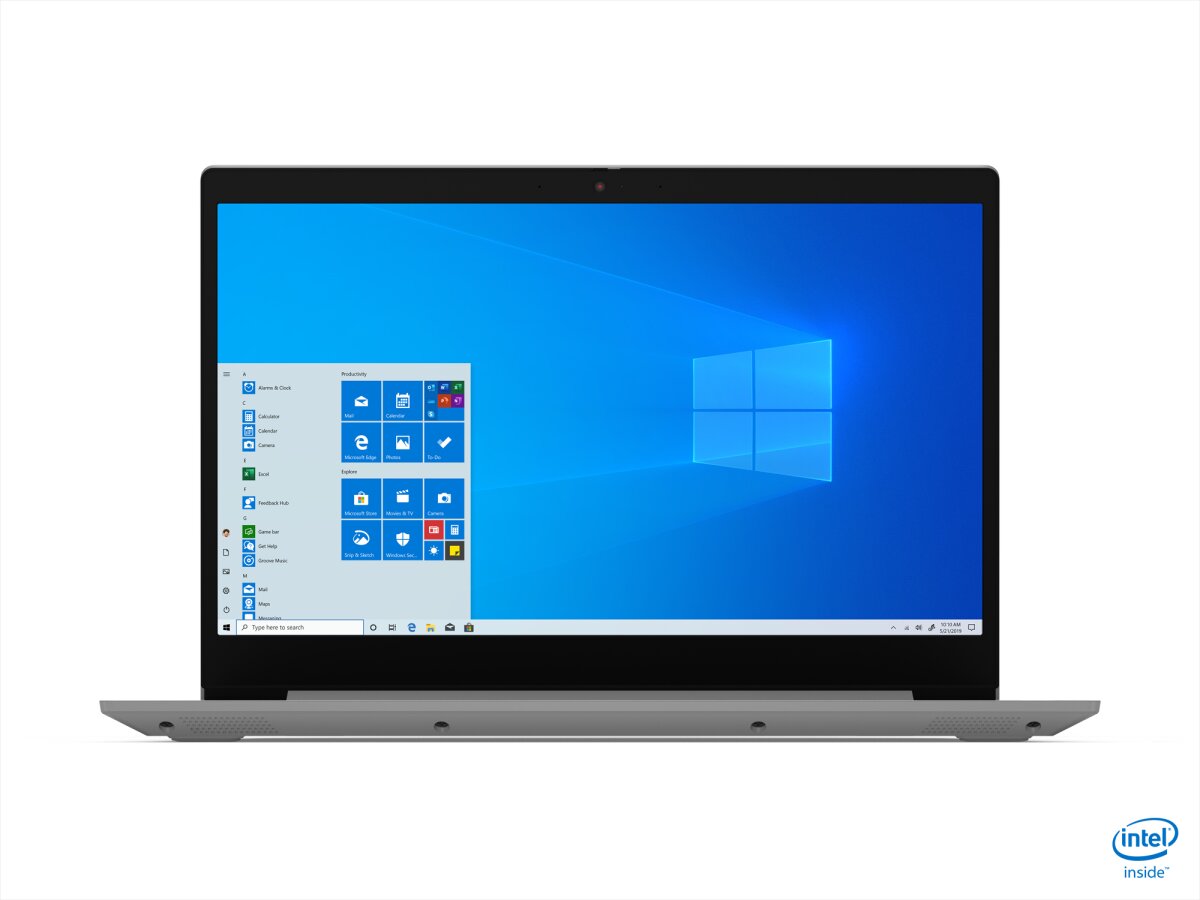
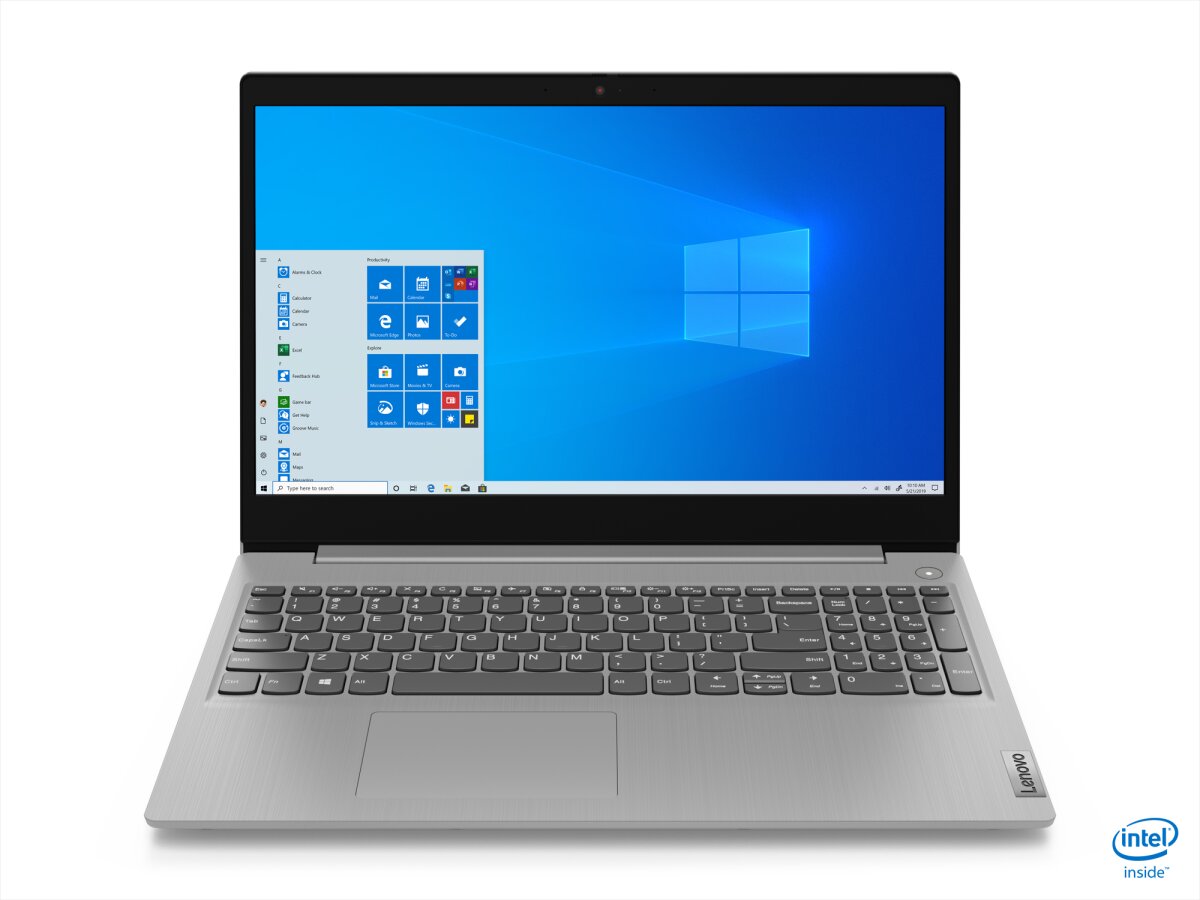

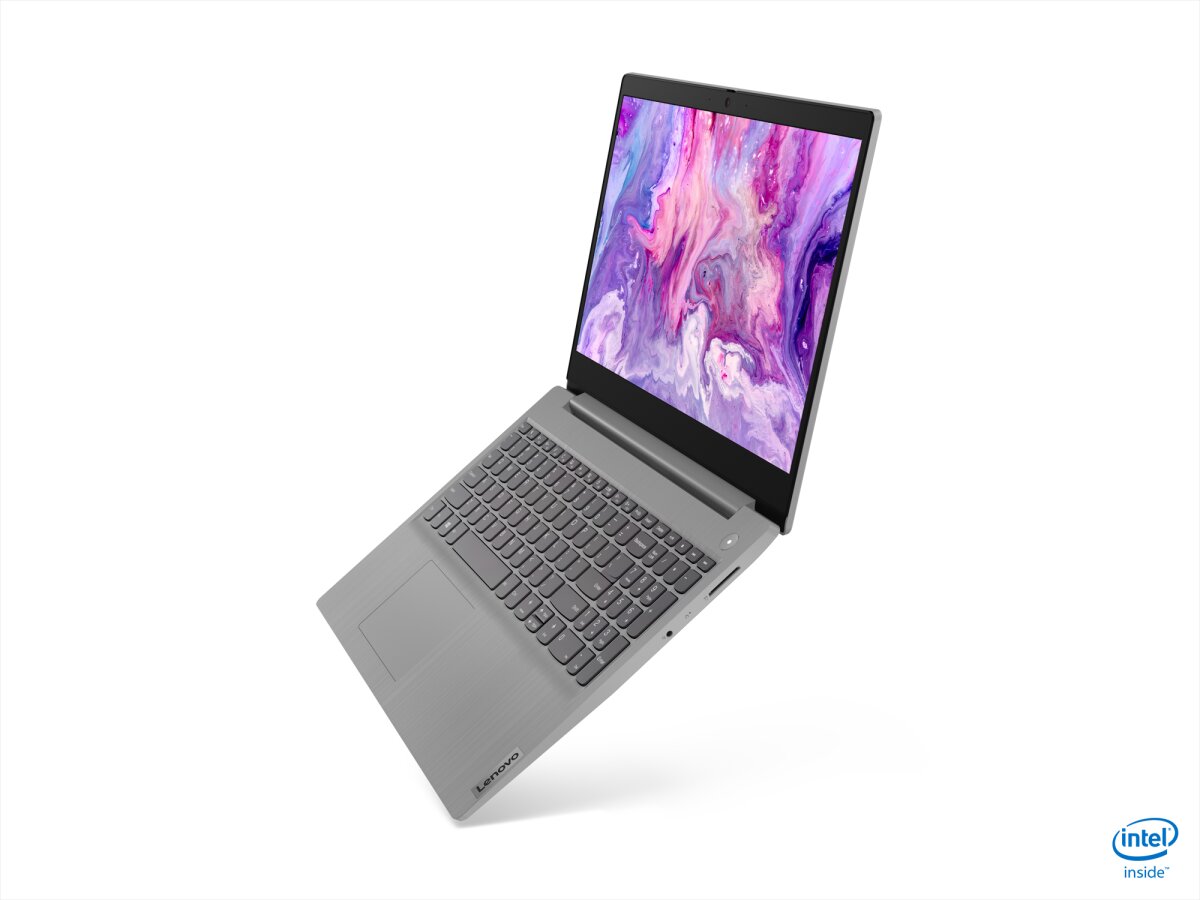
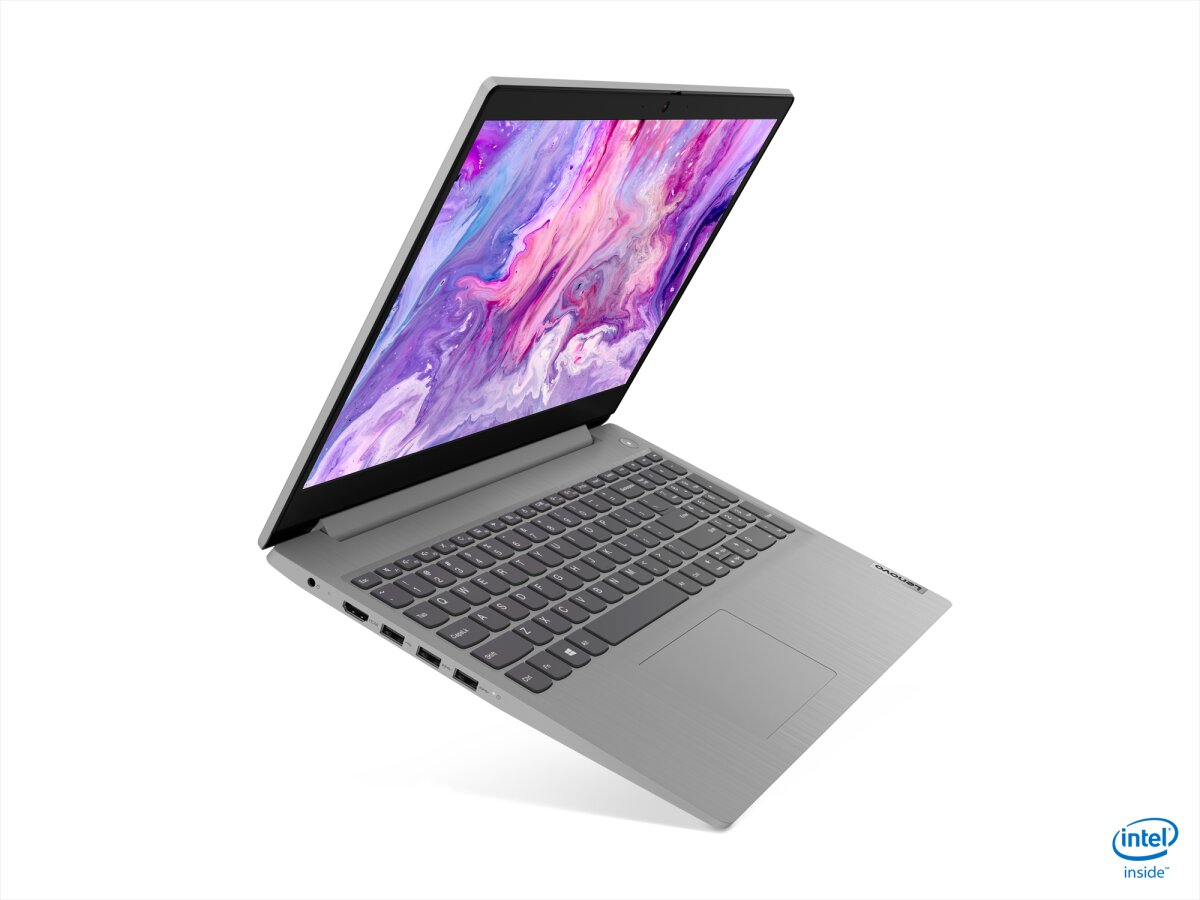
The Lenovo IdeaPad 3 15ITL05 features DDR4-SDRAM memory with upgrade capacity specifications. The laptop contains one SO-DIMM slot for RAM expansion, supporting maximum memory capacity of 12 GB total. Compatible upgrades operate at 2666 MHz frequency. The system architecture includes on-board memory plus one SO-DIMM slot configuration. Memory upgrade specifications enable users to expand RAM capacity on the Lenovo IdeaPad 3 series 15ITL05 model within stated maximum parameters.
Memory Upgrade Specifications
| Specification | Value |
|---|---|
| Memory slots | 1x SO-DIMM |
| Form factor | On-board + SO-DIMM |
| Memory type | DDR4-SDRAM |
| Frequency | 2666 MHz |
| Maximum RAM | 12 GB |
| Voltage | 1.2V |
| Number of pins | 260-pin |
| Interface | PC4 |
| PC Speed Rating | PC4-2666 (PC4-21328) |
| Bandwidth | 21.3 GB/s |
Additional Notes
- The LENOVO IdeaPad 3 15ITL05 features a hybrid memory architecture with a portion of RAM permanently soldered to the motherboard, restricting total system memory to 12 GB regardless of the SO-DIMM module installed.
- The single SO-DIMM slot limits future expansion to a one-time upgrade, with no dual-channel memory configuration possible if the onboard RAM capacity differs from the installed module.
- Installing a module larger than 8 GB in the SO-DIMM slot will not increase total capacity beyond the 12 GB ceiling, as the system firmware enforces this maximum regardless of physically installed memory.
- The 2666 MHz specification represents the maximum supported frequency, meaning modules rated at 3200 MHz or higher will automatically downclock to 2666 MHz during operation.
- Asymmetric memory configurations between the onboard RAM and the SO-DIMM module may result in partial dual-channel operation, where only the matched capacity runs in dual-channel mode while the remainder operates in slower single-channel mode.
- The SO-DIMM form factor requires low-profile modules measuring 67.6 mm in length, as standard DIMM desktop memory modules are physically incompatible with the laptop's memory slot.
- Non-standard memory configurations or third-party modules lacking JEDEC compliance at 2666 MHz may trigger POST failures or cause the system to default to lower fallback frequencies like 2400 MHz or 2133 MHz.
- The onboard memory component is not user-serviceable without motherboard-level repair skills, meaning failure of the soldered RAM requires professional service or complete motherboard replacement.
- Mixing memory modules from different manufacturers between the onboard chip and the SO-DIMM slot may cause timing incompatibilities, potentially leading to system instability or failure to recognize the full installed capacity.