LENOVO IdeaPad 3 17ABA7 RAM upgrade specifications

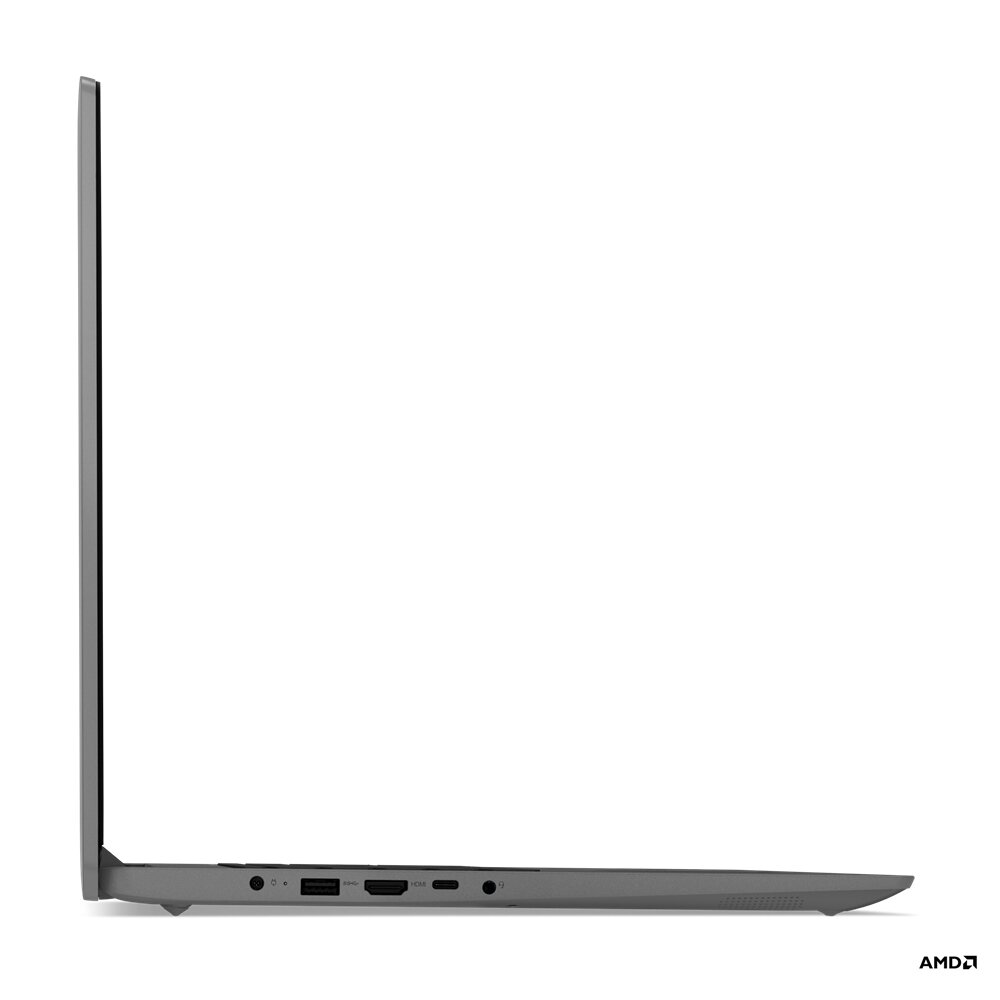
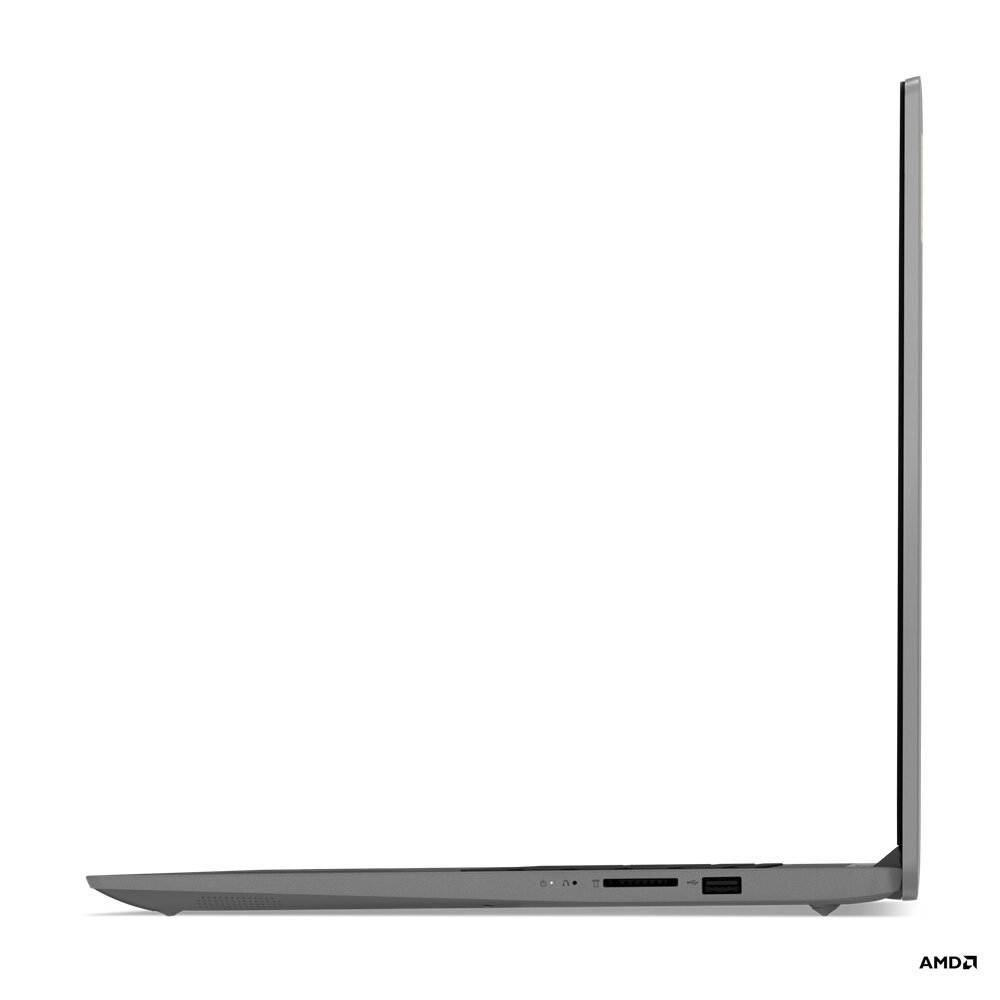
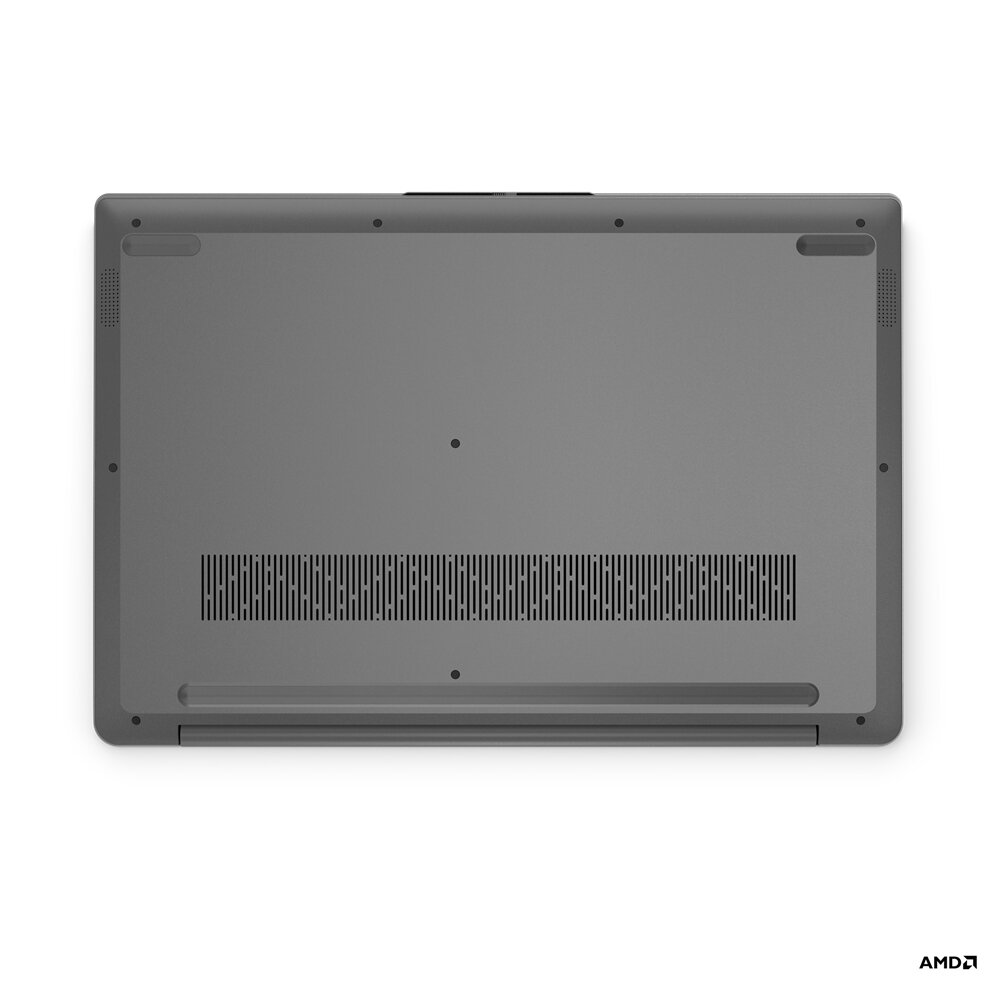
The LENOVO IdeaPad 3 17ABA7 laptop features DDR4-SDRAM memory with upgrade capabilities through one SO-DIMM slot. The system supports a maximum RAM capacity of 12 GB, operating at 3200 MHz frequency. The memory configuration consists of on-board memory combined with one removable SO-DIMM module, allowing users to expand the existing memory specifications up to the maximum supported capacity. Compatible upgrades utilize DDR4-SDRAM technology in SO-DIMM form factor for this LENOVO model.
Memory Upgrade Specifications
| Specification | Value |
|---|---|
| Memory slots | 1x SO-DIMM |
| Form factor | On-board + SO-DIMM |
| Memory type | DDR4-SDRAM |
| Frequency | 3200 MHz |
| Maximum RAM | 12 GB |
| Voltage | 1.2V |
| Number of pins | 260-pin |
| Interface | PC4 |
| PC Speed Rating | PC4-3200 (PC4-25600) |
| Bandwidth | 25.6 GB/s |
Additional Notes
- The single SO-DIMM slot combines with soldered memory to create a dual-channel configuration, meaning the removable module must match the onboard capacity to maintain symmetric channel operation and prevent performance degradation.
- The 12 GB maximum capacity constraint indicates that either 4 GB or 8 GB is permanently soldered to the motherboard, limiting the SO-DIMM upgrade to 8 GB or 4 GB respectively to reach the system ceiling.
- DDR4-3200 operates at PC4-25600 transfer rates, but mixing modules with different speeds will force all memory to run at the lowest common frequency, potentially underclocking newer modules.
- The hybrid memory architecture on the Lenovo IdeaPad 3 17ABA7 prevents future expansion beyond the factory-determined limit, as the soldered component cannot be modified without motherboard replacement.
- SO-DIMM voltage specifications must match the onboard memory requirements, typically 1.2V for DDR4, as mixed voltage configurations can cause boot failures or system instability.
- CAS latency differences between the soldered module and aftermarket SO-DIMM will resolve to the higher latency value, potentially adding nanoseconds to memory access times in latency-sensitive applications.
- The single-slot design eliminates redundancy options, meaning a failed SO-DIMM forces operation on soldered memory alone until replacement, reducing total available capacity during the failure period.
- Physical clearance between the SO-DIMM slot and adjacent components may restrict module height to standard low-profile specifications, typically 30mm, excluding certain high-density or heat-spreader equipped modules.
- Rank configuration compatibility requires verification, as mixing single-rank and dual-rank modules between onboard and SO-DIMM positions can trigger memory training errors on some AMD platform implementations.
- The non-ECC DDR4 specification indicates consumer-grade memory without error correction, making module quality and compatibility testing critical since parity checking is unavailable to catch data corruption.