LENOVO IdeaPad 330-15IKB RAM upgrade specifications

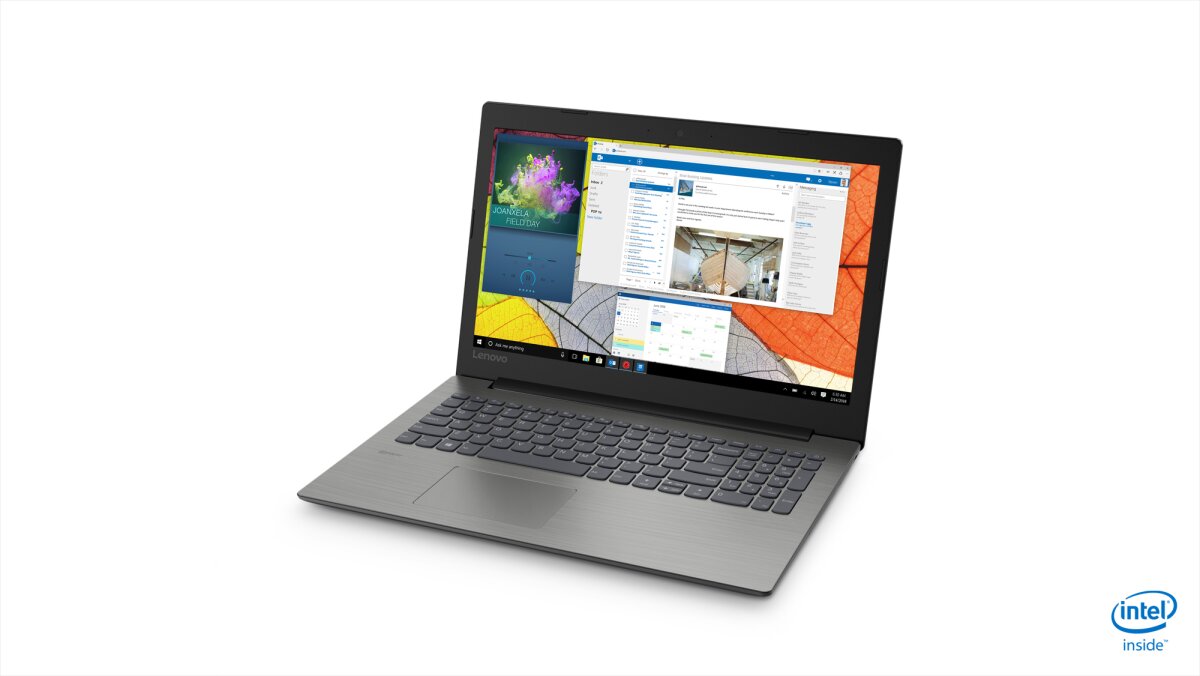
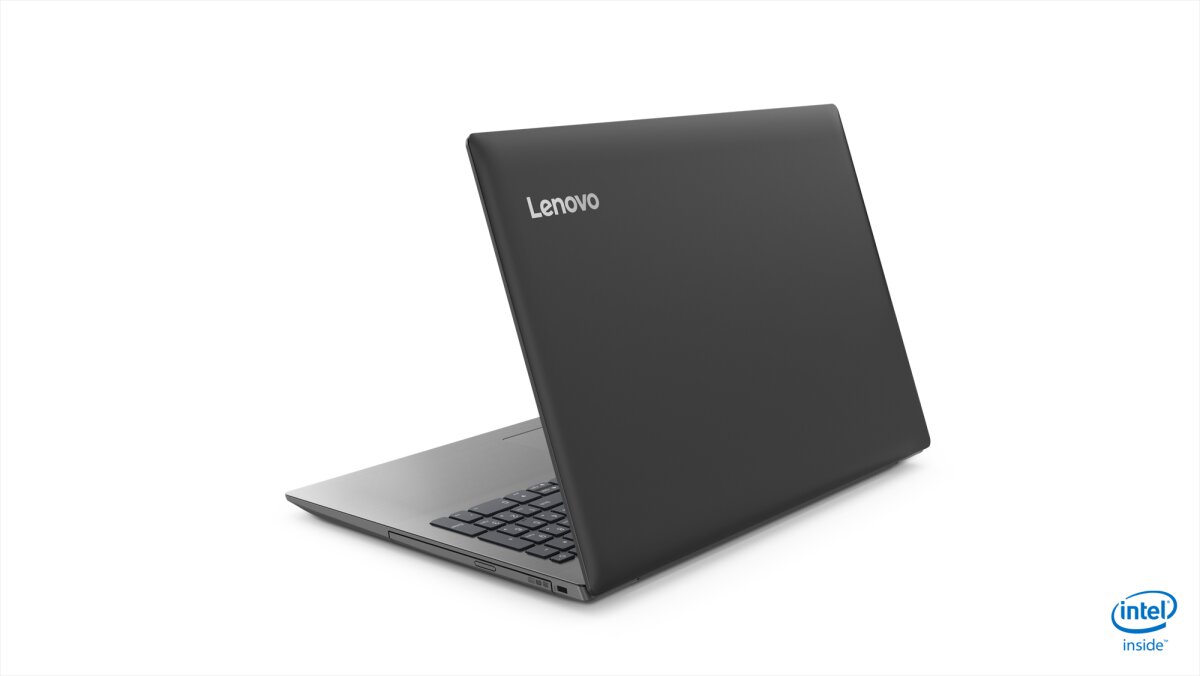
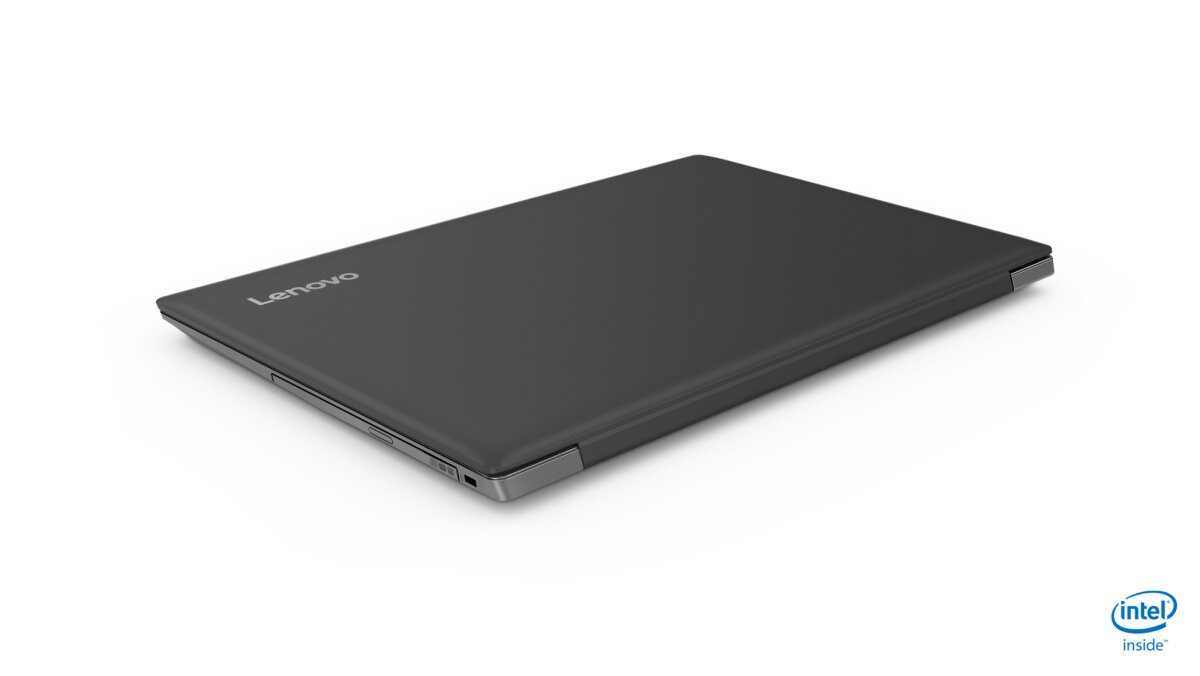
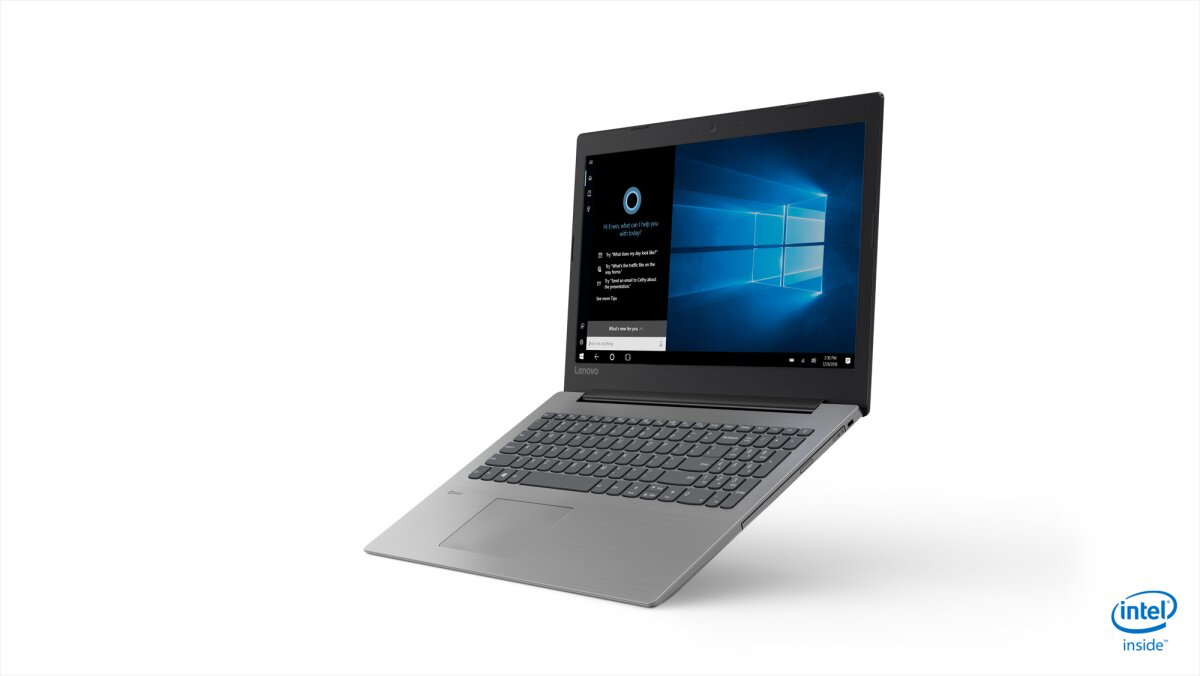
The LENOVO IdeaPad 3 Series 330-15IKB laptop features DDR4-SDRAM memory with a maximum upgrade capacity of 16 GB. The system contains one SO-DIMM slot for RAM expansion, operating at 2133 MHz frequency. Memory configuration consists of on-board RAM combined with a single SO-DIMM slot for compatible upgrades. Specifications support DDR4 memory modules for compatible RAM installation in the available slot. Maximum RAM capacity specifications indicate support up to 16 GB total memory for this laptop model.
Memory Upgrade Specifications
| Specification | Value |
|---|---|
| Memory slots | 1x SO-DIMM |
| Form factor | On-board + SO-DIMM |
| Memory type | DDR4-SDRAM |
| Frequency | 2133 MHz |
| Maximum RAM | 16 GB |
| Voltage | 1.2V |
| Number of pins | 260-pin |
| Interface | PC4 |
| PC Speed Rating | PC4-2133 (PC4-17064) |
| Bandwidth | 17.1 GB/s |
| Laptop Release date | 19 March 2022 |
Additional Notes
- The single accessible SO-DIMM slot indicates that part of the system memory is soldered directly to the motherboard and cannot be removed or replaced.
- Upgrading requires replacing the existing SO-DIMM module rather than adding a second module alongside it, as only one accessible slot exists.
- The onboard memory configuration means total system capacity depends on both the soldered component and the installed SO-DIMM module combined.
- Reaching the 16 GB maximum capacity requires determining the soldered memory amount first, then installing a SO-DIMM module that brings the total to exactly 16 GB without exceeding it.
- The 2133 MHz frequency specification operates on JEDEC standard timings, typically CL15 latency for DDR4 at this speed grade.
- Installing DDR4 modules rated above 2133 MHz will downclock to match the system's supported frequency, providing no performance advantage.
- The Lenovo IdeaPad 330-15IKB dual-channel memory architecture only functions when the SO-DIMM module matches the capacity of the soldered memory component.
- Mismatched capacity between onboard and SO-DIMM memory forces the system into single-channel mode, reducing memory bandwidth by approximately 50 percent.
- DDR4 SO-DIMM modules must operate at 1.2V standard voltage, as higher voltage variants designed for desktop systems are physically incompatible and electrically unsuitable.
- The memory controller within the 8th generation Intel Core processors supports DDR4-2400, but the system firmware restricts operation to 2133 MHz regardless of CPU capability.
- Accessing the SO-DIMM slot requires removing the bottom panel of the chassis, which may void warranty seals depending on regional service policies.
- Non-ECC unbuffered SO-DIMM modules are required, as registered or ECC memory types will not initialize properly in consumer laptop platforms.