LENOVO IdeaPad Gaming 15ACH6 RAM upgrade specifications


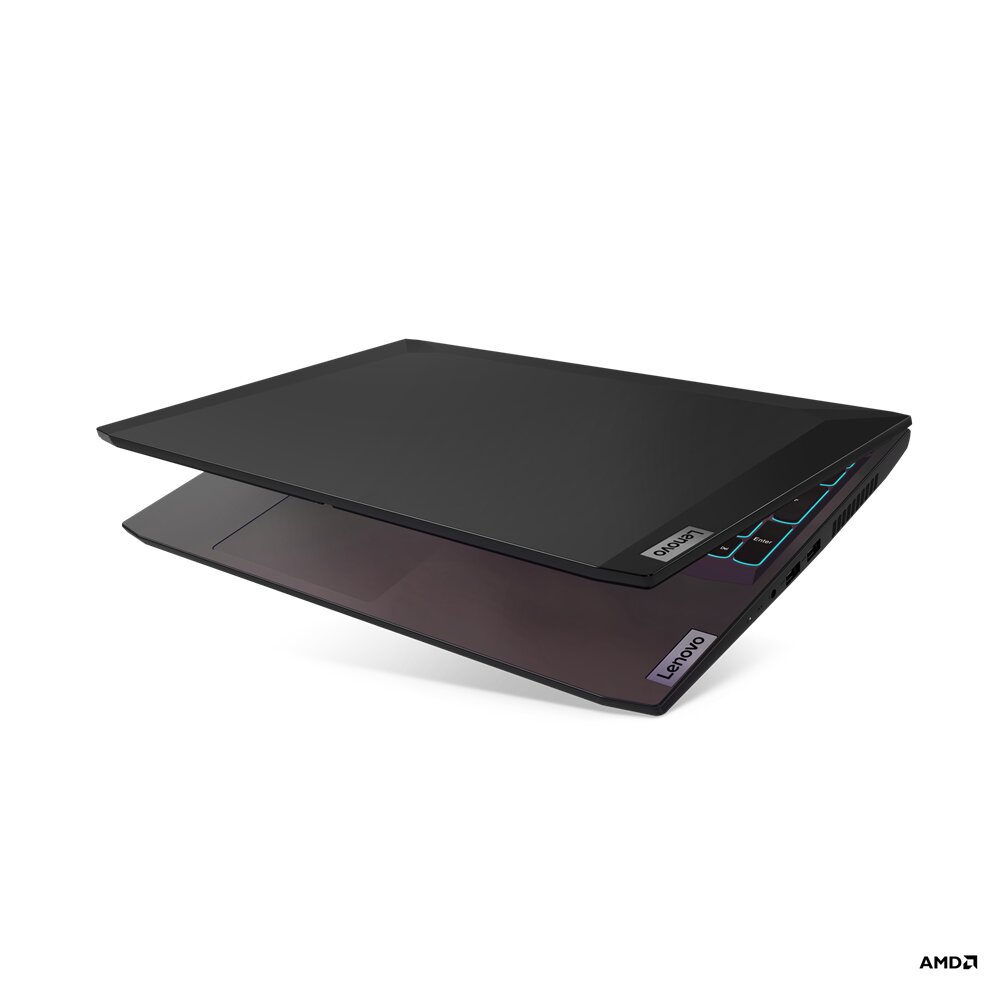
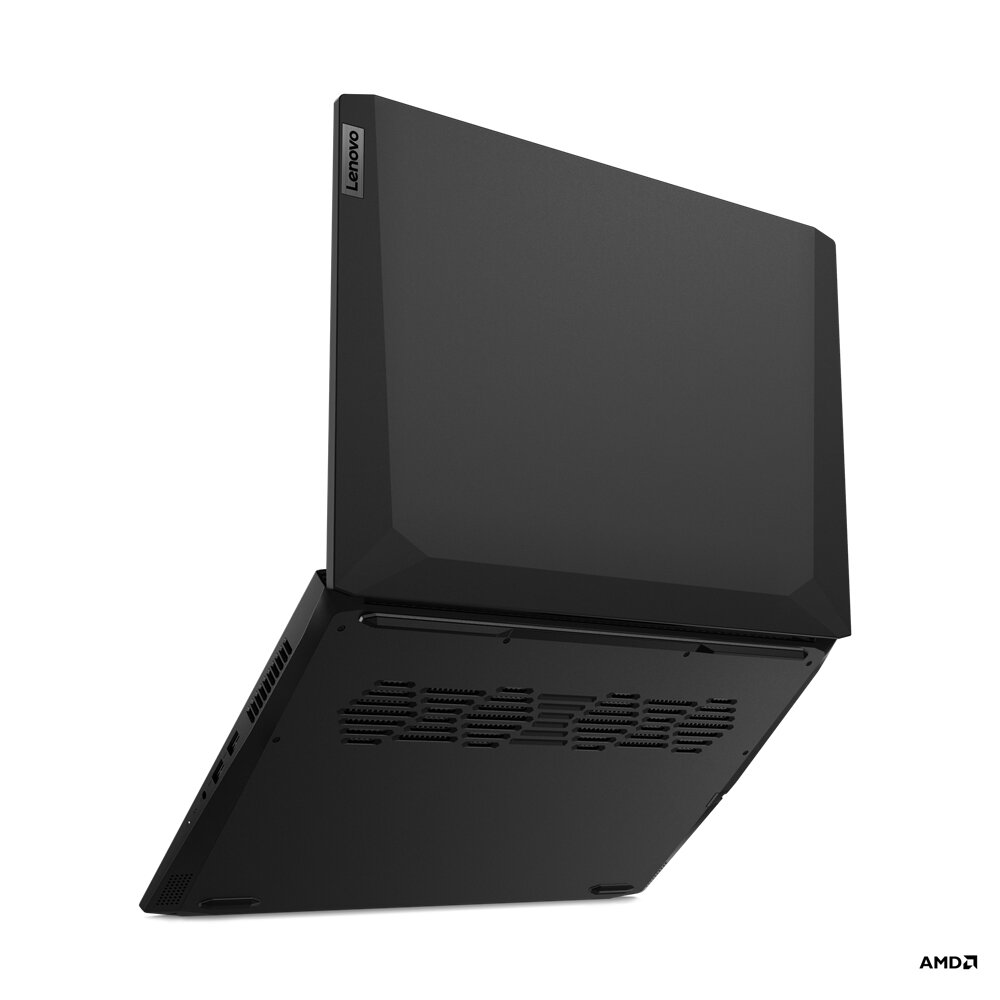
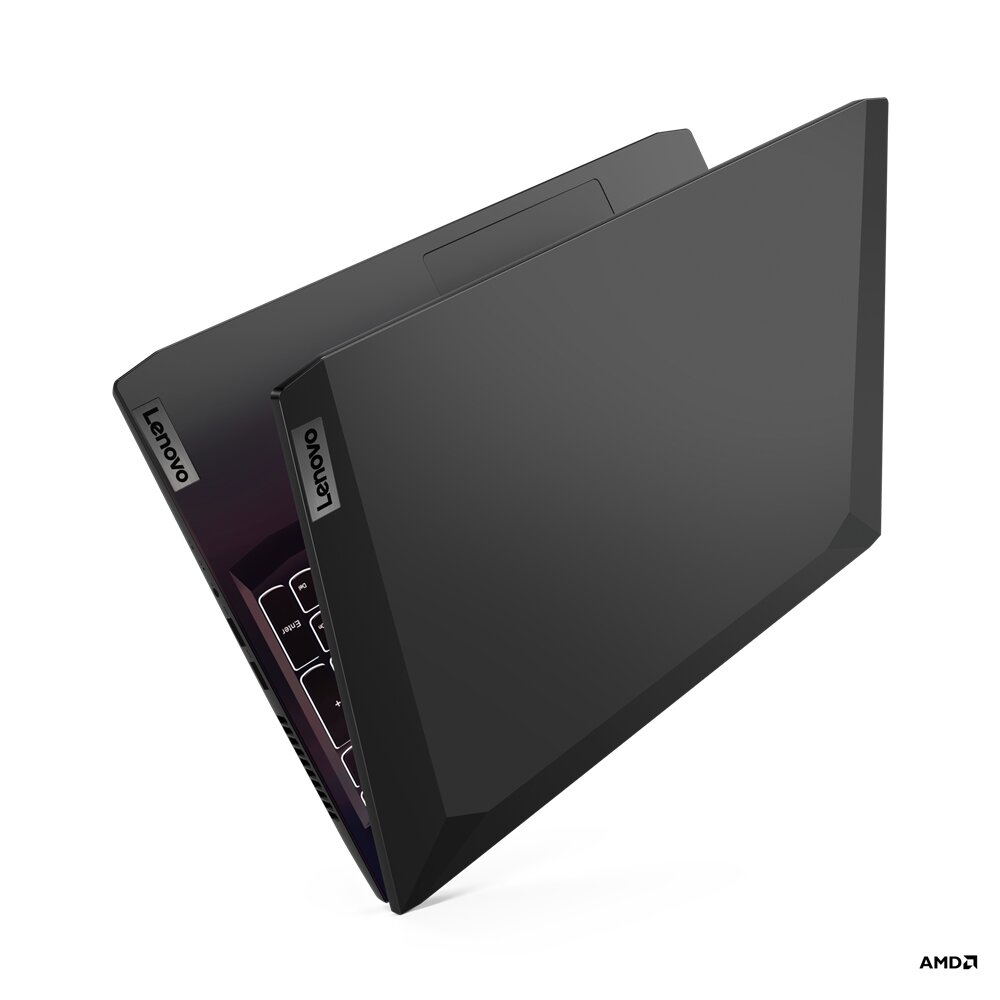
LENOVO IdeaPad Gaming 3 series model 15ACH6 supports DDR4-SDRAM memory upgrade specifications with 2x SO-DIMM slots. Maximum compatible RAM capacity reaches 16 GB total. Memory modules operate at 3200 MHz frequency. SO-DIMM form factor specifications apply for upgrade compatibility. Current upgrade slots accommodate standard DDR4 memory configurations for the 15ACH6 laptop model.
Memory Upgrade Specifications
| Specification | Value |
|---|---|
| Memory slots | 2x SO-DIMM |
| Form factor | SO-DIMM |
| Memory type | DDR4-SDRAM |
| Frequency | 3200 MHz |
| Maximum RAM | 16 GB |
| Voltage | 1.2V |
| Number of pins | 260-pin |
| Interface | PC4 |
| PC Speed Rating | PC4-3200 (PC4-25600) |
| Bandwidth | 25.6 GB/s |
Additional Notes
- The 16 GB maximum capacity limit indicates a chipset or BIOS restriction that prevents recognition of higher-density modules, even if physically compatible 32 GB kits are installed.
- The 3200 MHz specification represents the official JEDEC standard speed, though actual operating frequency depends on CPU memory controller capabilities and may default to lower speeds without XMP profile activation in BIOS.
- SO-DIMM form factor requires modules with 260-pin configuration and specific height clearances beneath the keyboard assembly, typically 30 mm maximum to avoid interference with internal components.
- Dual-channel architecture through 2 populated slots delivers 51.2 GB/s theoretical bandwidth when both modules operate at 3200 MHz, critical for integrated graphics performance on AMD Ryzen mobile processors.
- DDR4-SDRAM operates at 1.2V standard voltage, while DDR5 modules physically fit SO-DIMM slots but use incompatible signaling protocols that prevent POST completion.
- Memory upgrade procedures on the Lenovo IdeaPad Gaming 15ACH6 typically require complete bottom panel removal, which may involve breaking factory seals that impact warranty coverage depending on regional consumer protection laws.
- Single-rank versus dual-rank module topology affects memory interleaving efficiency, with matched dual-rank configurations potentially offering 5-10% performance gains in memory-intensive workloads despite identical capacity and frequency ratings.
- CAS latency timings interact with 3200 MHz frequency to determine true memory responsiveness, where CL22 modules exhibit approximately 13.75 nanoseconds absolute latency compared to 12.5 nanoseconds for CL20 variants.
- JEDEC unbuffered non-ECC specification prohibits use of server-grade registered or error-correcting modules, which will either fail to initialize or operate with disabled ECC functionality.
- Thermal throttling thresholds for DDR4 typically engage above 85°C junction temperature, making module heat spreader design relevant in gaming workloads where sustained memory access coincides with elevated chassis temperatures.