LENOVO IdeaPad Gaming 16IAH7 RAM upgrade specifications
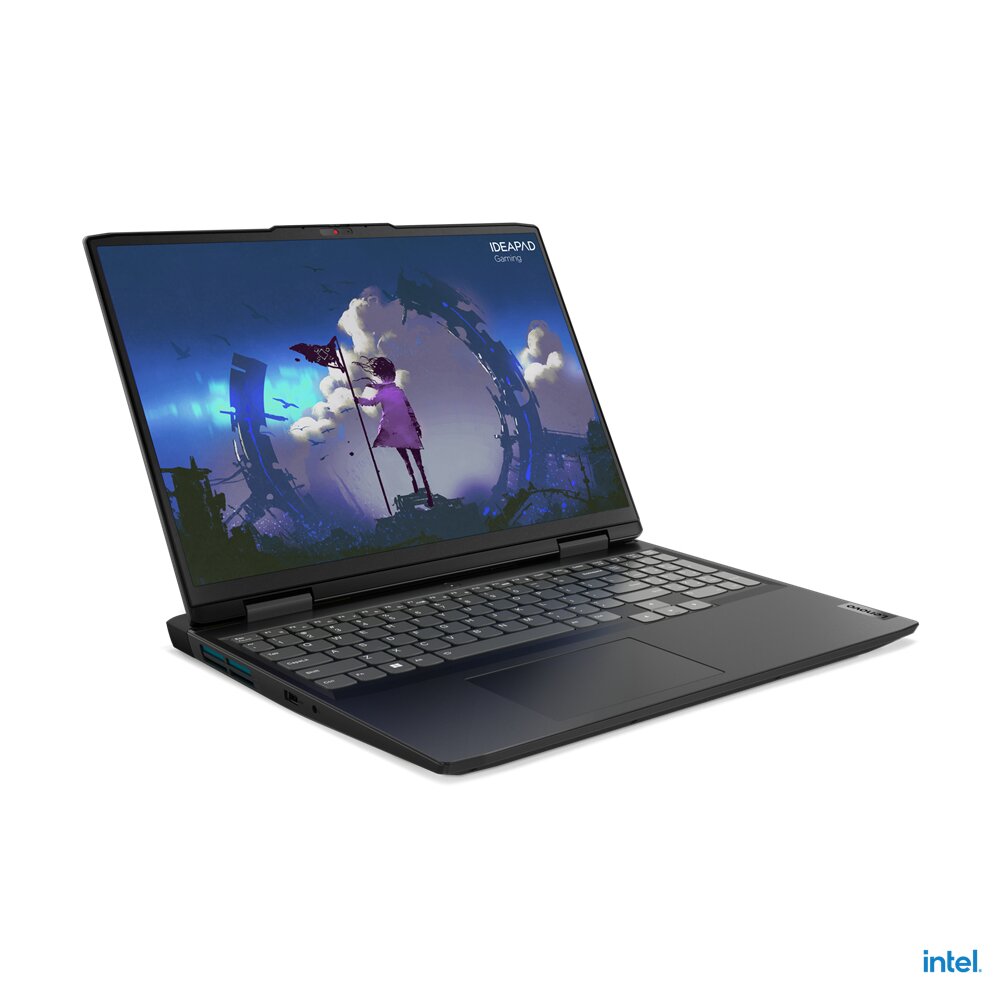
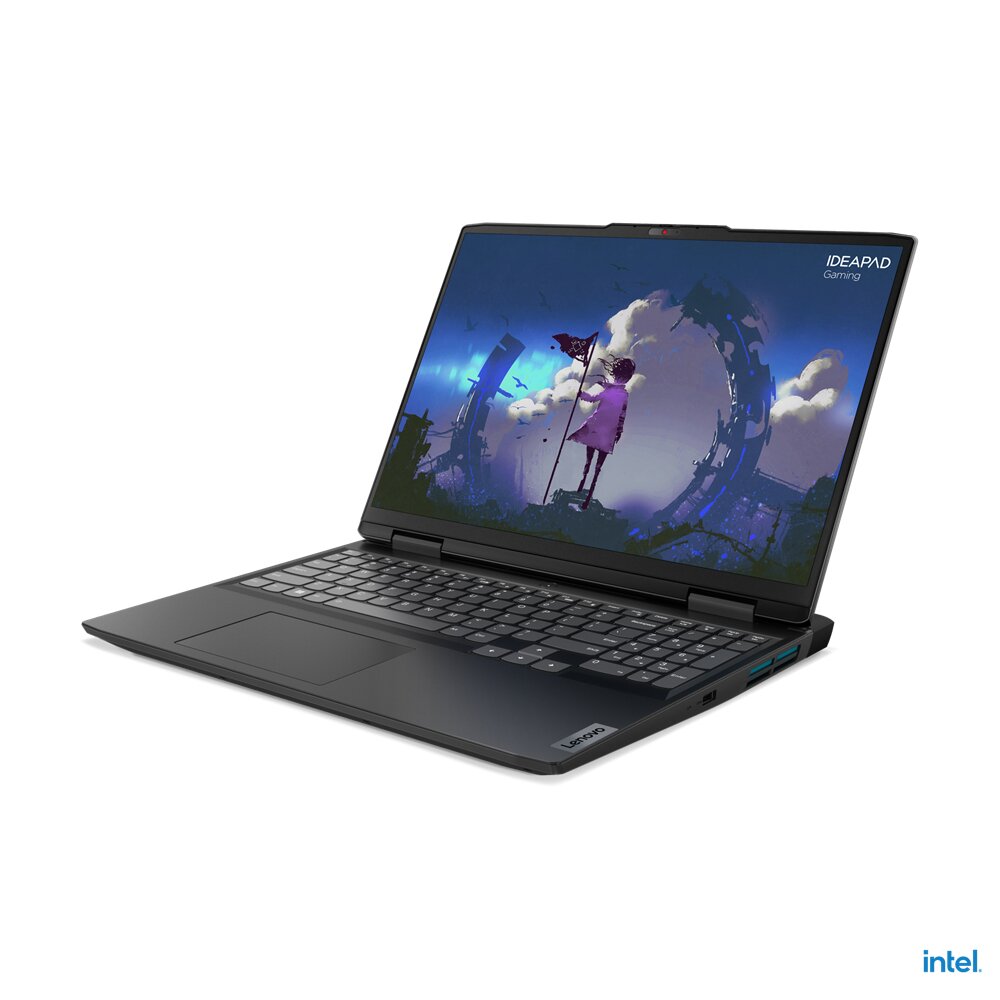
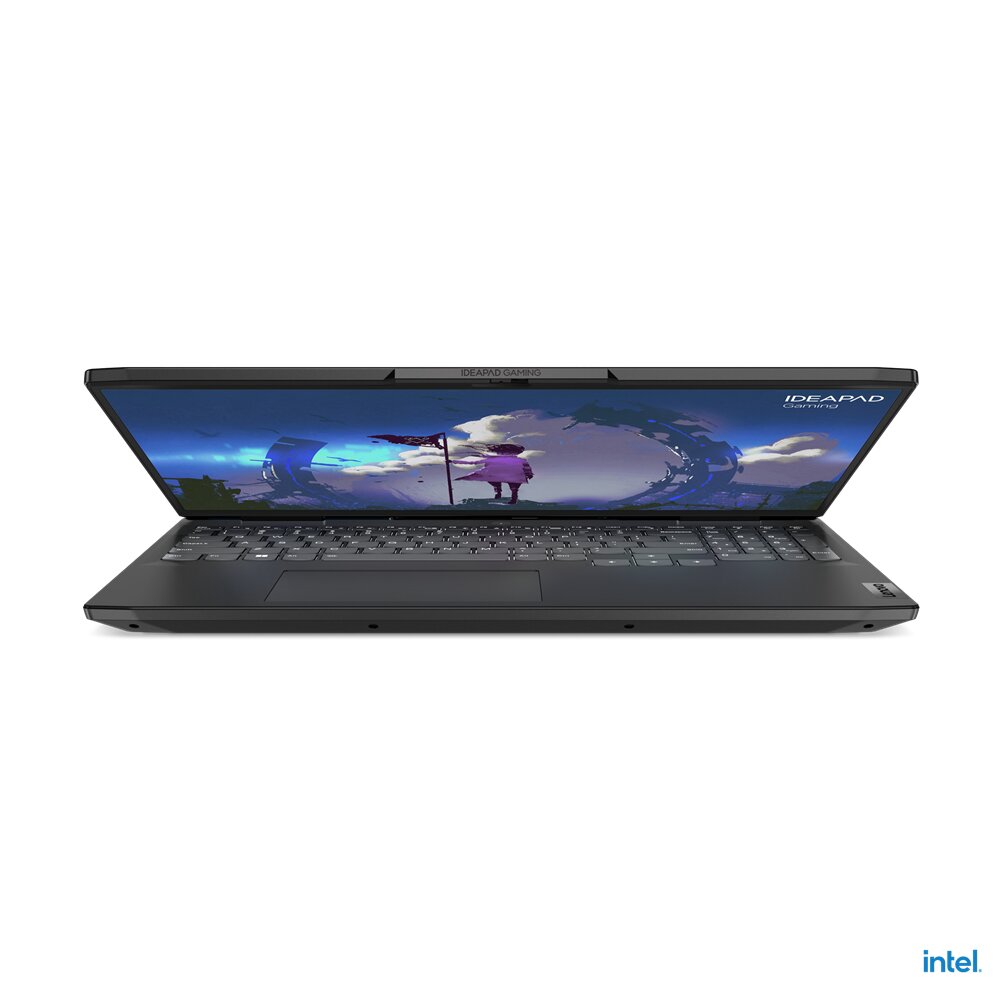
LENOVO IdeaPad Gaming 16IAH7 memory upgrade specifications include two SO-DIMM slots supporting DDR4-SDRAM modules operating at 3200 MHz frequency. Maximum RAM capacity reaches 16 GB total across both slots. Compatible memory upgrades utilize SO-DIMM form factor specifications. The laptop supports DDR4-SDRAM technology for memory expansion and performance enhancement. Specifications indicate dual memory slots enabling modular RAM upgrades to achieve maximum supported capacity of 16 GB in the Gaming 16IAH7 configuration.
Memory Upgrade Specifications
| Specification | Value |
|---|---|
| Memory slots | 2x SO-DIMM |
| Form factor | SO-DIMM |
| Memory type | DDR4-SDRAM |
| Frequency | 3200 MHz |
| Maximum RAM | 16 GB |
| Voltage | 1.2V |
| Number of pins | 260-pin |
| Interface | PC4 |
| PC Speed Rating | PC4-3200 (PC4-25600) |
| Bandwidth | 25.6 GB/s |
| Laptop Release date | 28 February 2022 |
Additional Notes
- The 16 GB total capacity restriction means that mixing module sizes (such as 8 GB with 4 GB) will still hit the same ceiling as a matched 8 GB pair, eliminating any practical benefit from asymmetric configurations.
- DDR4-3200 modules rated for higher speeds (such as 3600 MHz or 4000 MHz) will downclock to 3200 MHz when installed in this IdeaPad Gaming 16IAH7, preventing any frequency-based performance gains beyond the native specification.
- SO-DIMM slots located under the bottom chassis panel typically require complete removal of the base cover, meaning thermal paste replacement may become necessary if the cooling assembly must be disturbed during access.
- Dual-channel operation requires matched module capacities in both slots, so installing a single 16 GB module will force the memory controller into single-channel mode and reduce bandwidth to approximately half of the dual-channel configuration.
- The absence of ECC (Error-Correcting Code) support in standard DDR4-SDRAM means that unbuffered non-ECC modules are the only compatible type, as ECC SO-DIMMs will either fail to boot or operate without error correction.
- Thermal headroom becomes relevant above 1.35V module specifications, as gaming workloads combined with high-voltage memory can trigger throttling in systems where RAM slots share thermal zones with CPU voltage regulators.
- CAS latency variations between CL22 and CL16 modules at 3200 MHz will produce measurable differences in memory-sensitive tasks, though the impact remains minor in GPU-bound gaming scenarios.
- JEDEC-standard modules ensure broadest compatibility with the factory BIOS, while XMP-certified modules may require manual frequency verification since non-Intel platforms sometimes ignore XMP profiles entirely.
- Mixing modules from different manufacturers increases the likelihood of mismatched timing subtimings (tRCD, tRP, tRAS), forcing the memory controller to adopt the slowest common denominator and potentially reducing performance below single-brand configurations.
- The fixed 16 GB ceiling makes this platform unsuitable for workloads requiring more than 14 GB of available memory after accounting for OS and background process overhead, particularly in virtual machine or heavy multitasking scenarios.