LENOVO IdeaPad Gaming 3 15ARH05 RAM upgrade specifications

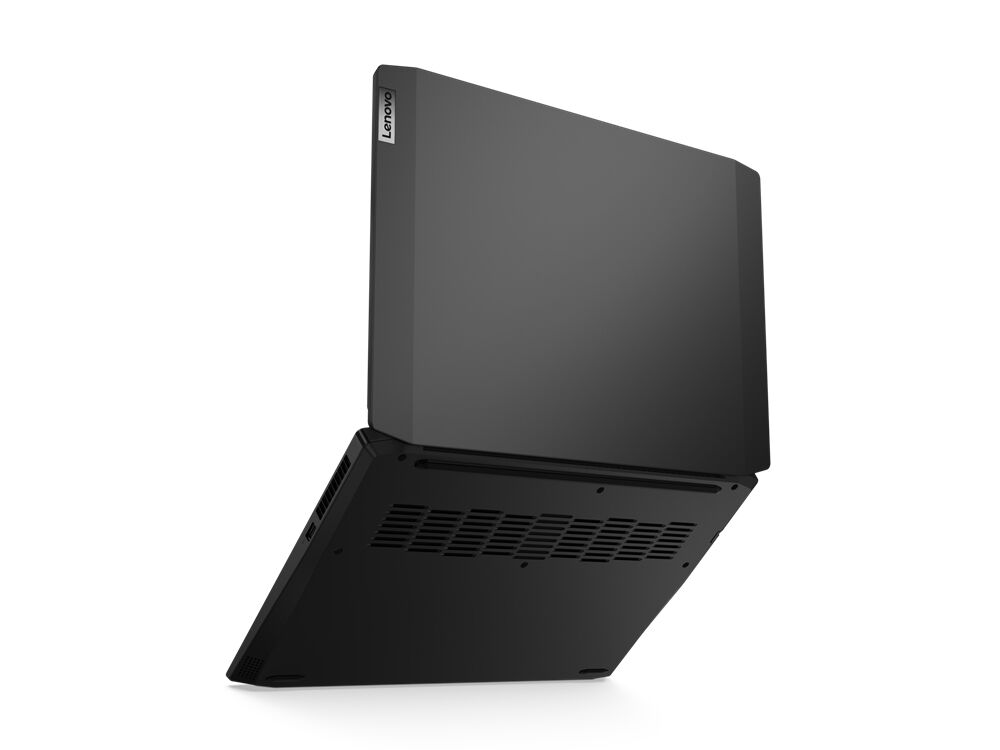
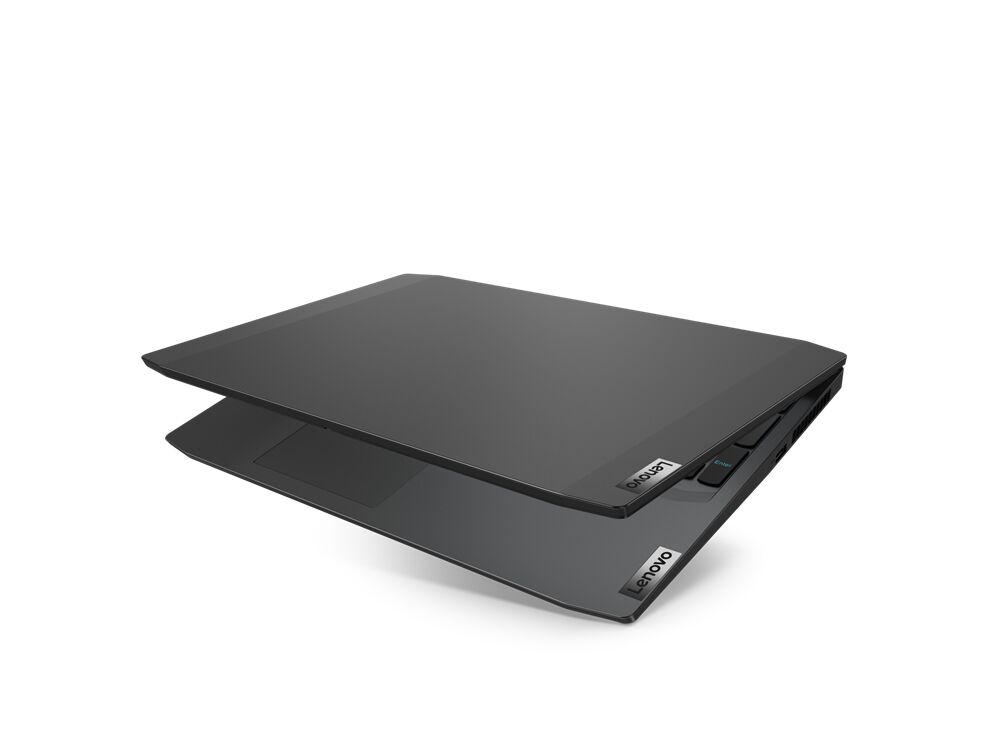
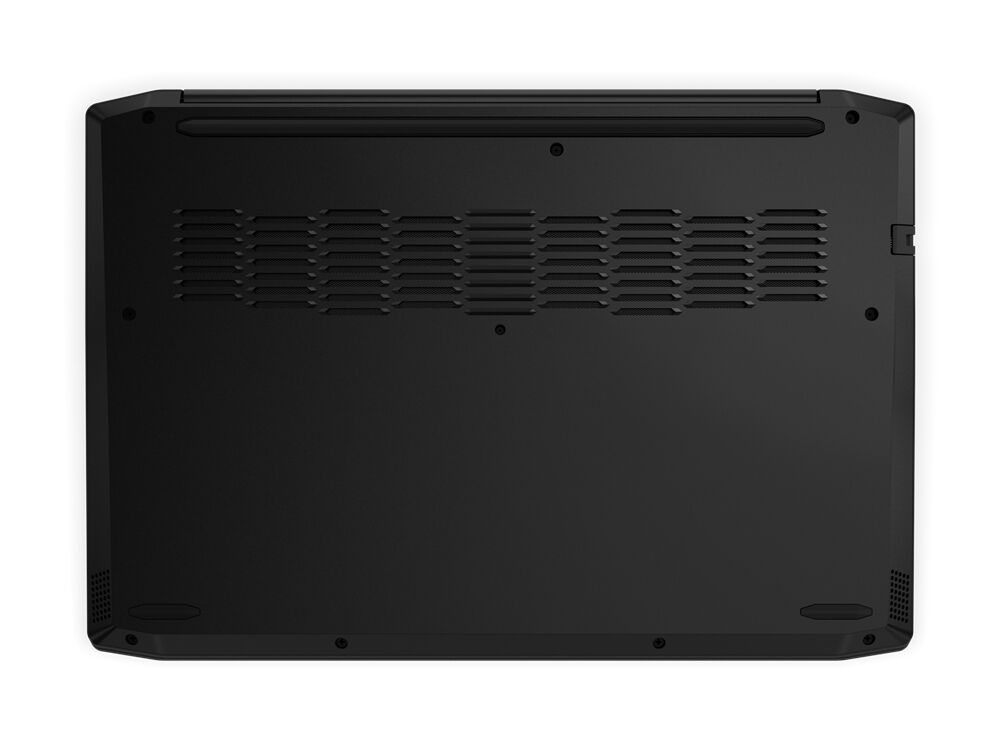
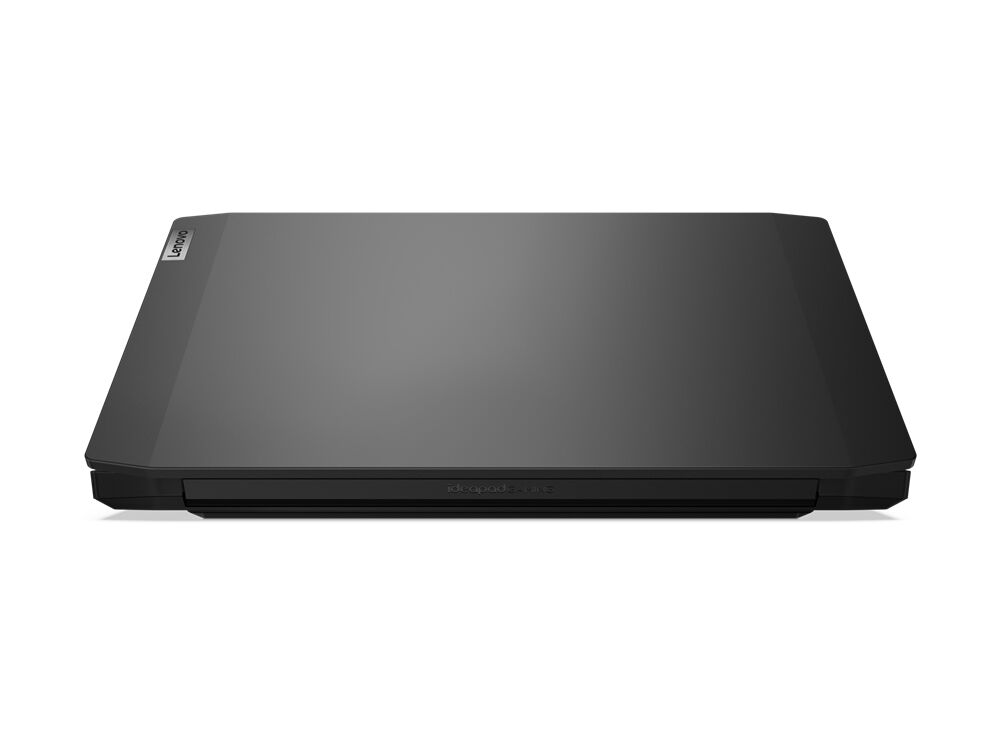
The Lenovo IdeaPad Gaming 3 15ARH05 features two SO-DIMM slots for memory expansion. This laptop model supports DDR4-SDRAM memory operating at 3200 MHz frequency. The upgrade specifications allow for maximum RAM capacity of 16 GB total. Compatible memory modules must utilize the SO-DIMM form factor to function with this Gaming 3 series laptop. Users can expand the system's memory by installing compatible DDR4 modules in the available slots to enhance performance and multitasking capabilities.
Memory Upgrade Specifications
| Specification | Value |
|---|---|
| Memory slots | 2x SO-DIMM |
| Form factor | SO-DIMM |
| Memory type | DDR4-SDRAM |
| Frequency | 3200 MHz |
| Maximum RAM | 16 GB |
| Voltage | 1.2V |
| Number of pins | 260-pin |
| Interface | PC4 |
| PC Speed Rating | PC4-3200 (PC4-25600) |
| Bandwidth | 25.6 GB/s |
| Laptop Release date | 06 January 2021 |
Additional Notes
- The 2 SO-DIMM slot configuration in the Lenovo IdeaPad Gaming 3 15ARH05 allows for a maximum upgrade ceiling of 16 GB total, achievable through either a single 16 GB module or matching 8 GB modules in both slots.
- DDR4-3200 MHz represents the rated speed specification; however, actual performance depends on BIOS configuration and may operate at lower frequencies if the system defaults to JEDEC standards rather than manufacturer-rated speeds.
- Both SO-DIMM slots typically occupy the same physical compartment beneath the keyboard or base panel, necessitating partial system disassembly for module installation and creating a single point of thermal access for upgrade work.
- SO-DIMM modules generate measurably higher heat density per gigabyte compared to standard DIMM form factors due to component concentration; extended gaming loads may require verification that passive airflow or thermal management remains adequate after reaching maximum capacity.
- Upgrading beyond the factory configuration voids most manufacturer warranties unless performed through authorized service channels, making documentation of pre-upgrade system state advisable.
- Mixed-capacity configurations (for example, 8 GB + 16 GB) operate in single-channel mode on one module pair, reducing memory bandwidth by approximately 50 percent and introducing latency penalties during asymmetric access patterns typical in gaming workloads.
- The absence of UDIMM or RDIMM support restricts upgrade options to consumer-grade SO-DIMM stock, limiting sourcing flexibility compared to workstation or server-class platforms.