LENOVO IdeaPad IP3 14 I7-1255U 8GB 512GB BLUE RAM upgrade specifications
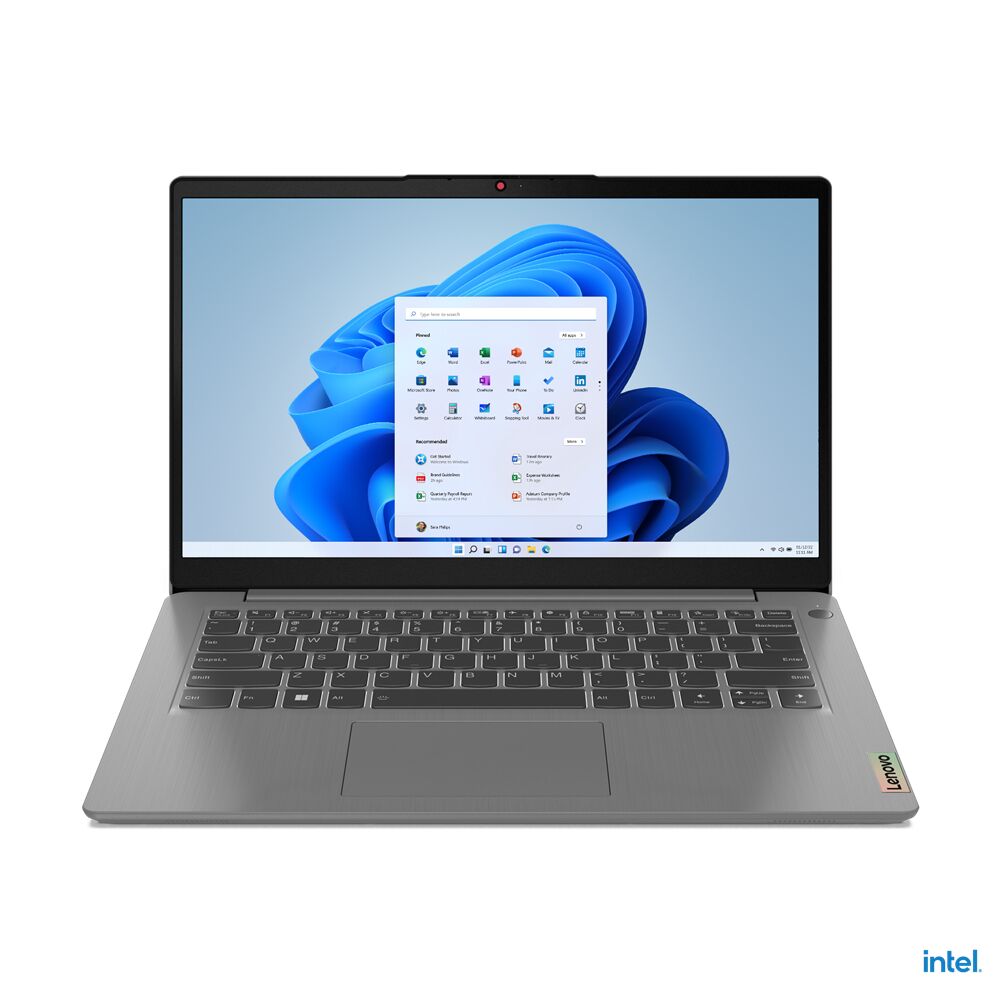
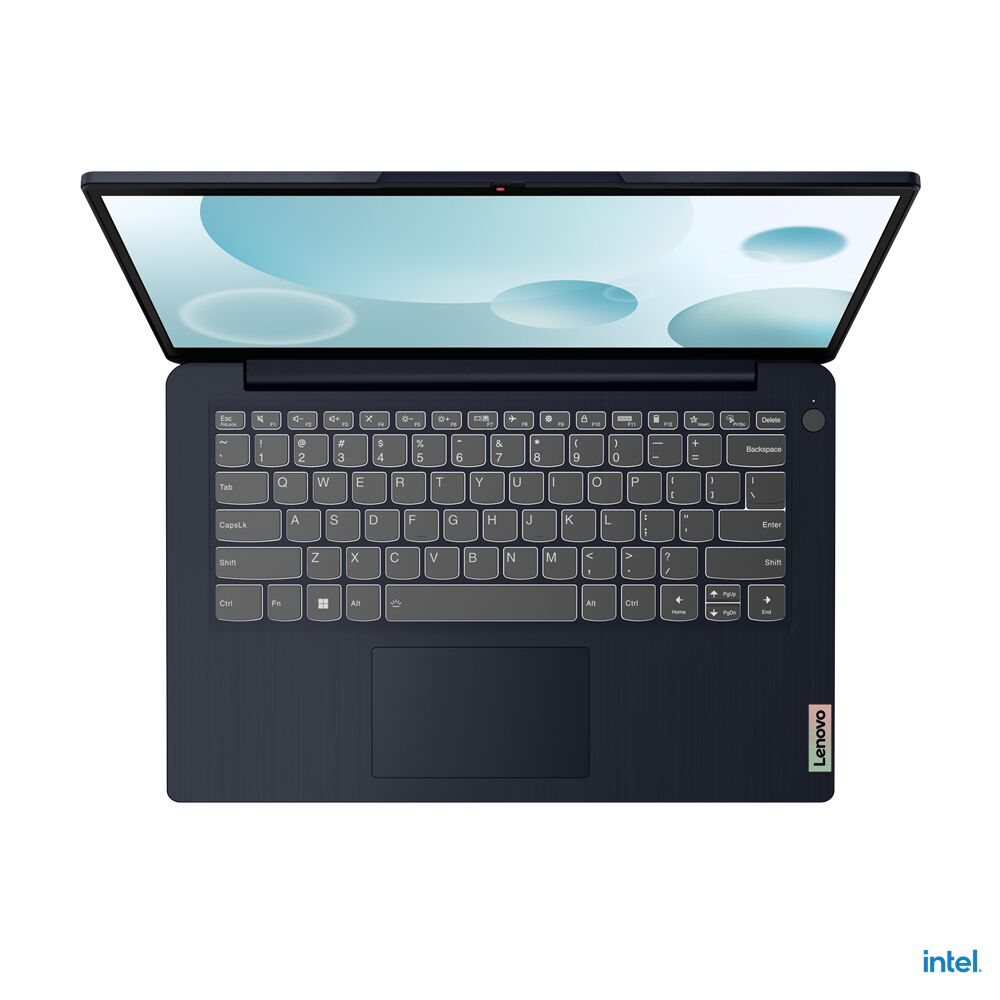
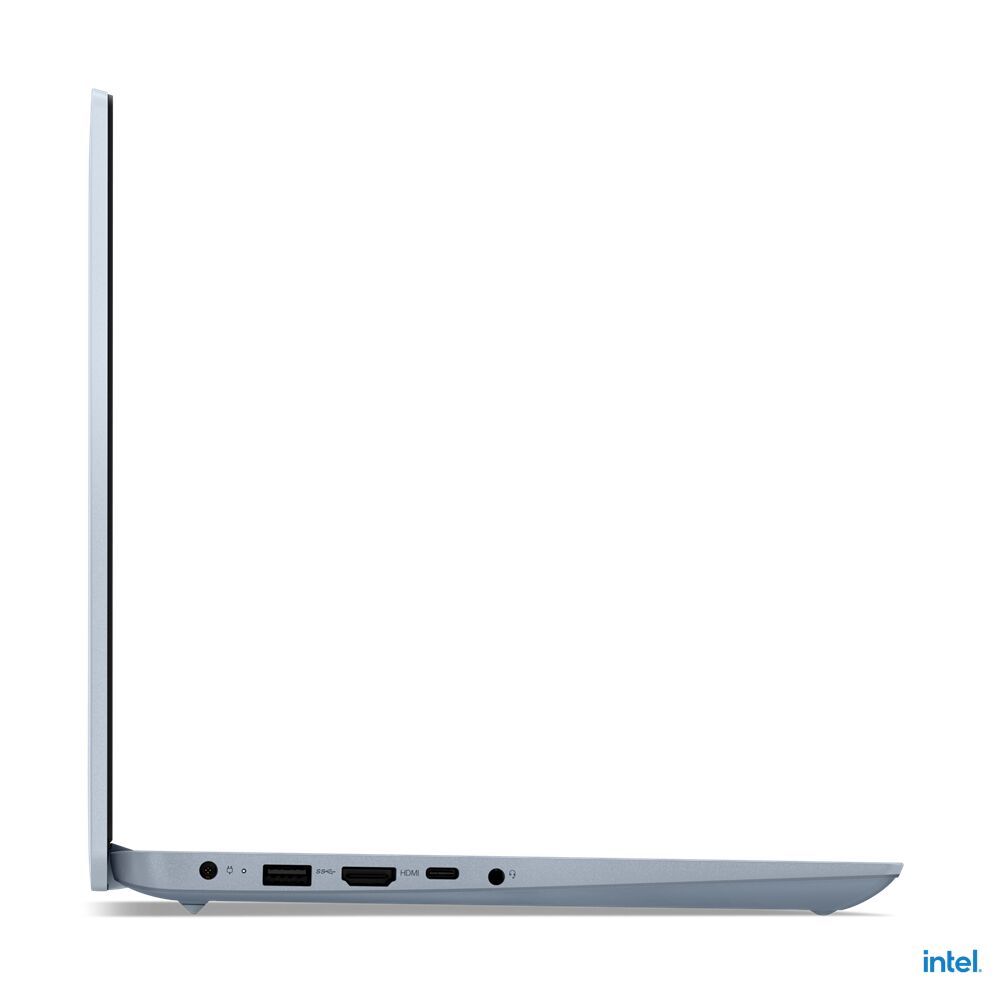
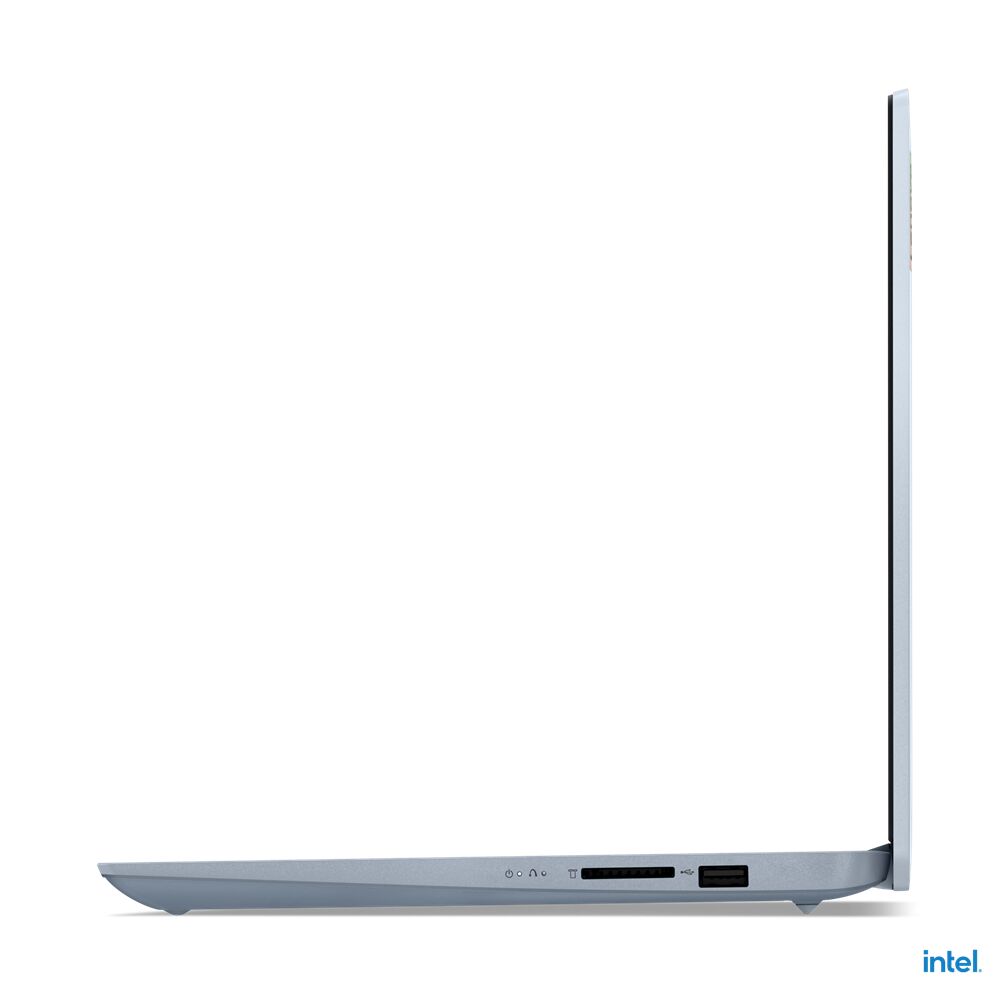
Lenovo IdeaPad 300 Series IP3 14 I7-1255U RAM upgrade specifications include one SO-DIMM slot supporting DDR4-SDRAM memory modules operating at 3200 MHz frequency. Maximum memory capacity reaches 16 GB total. Current configuration includes 8 GB onboard memory with additional expansion capability through the single SO-DIMM slot. Compatible upgrade modules must match DDR4-SDRAM specifications and SO-DIMM form factor standards for IdeaPad 300 Series compatibility.
Memory Upgrade Specifications
| Specification | Value |
|---|---|
| Memory slots | 1x SO-DIMM |
| Form factor | On-board + SO-DIMM |
| Memory type | DDR4-SDRAM |
| Frequency | 3200 MHz |
| Maximum RAM | 16 GB |
| Voltage | 1.2V |
| Number of pins | 260-pin |
| Interface | PC4 |
| PC Speed Rating | PC4-3200 (PC4-25600) |
| Bandwidth | 25.6 GB/s |
| Laptop Release date | 19 February 2022 |
Additional Notes
- The hybrid memory architecture combines a non-removable soldered module with a single expansion slot, creating a dual-channel configuration only when the capacities are matched.
- Upgrading the LENOVO IdeaPad IP3 14 I7-1255U 8GB 512GB BLUE requires replacing the existing module in the SO-DIMM slot since there are no vacant bays for additional hardware.
- Hardware parity is restricted by the internal memory controller, meaning any module exceeding the 8 GB expansion limit will likely result in system instability or a failure to post.
- The fixed 3200 MHz frequency dictates that installing higher-rated modules will result in an automatic downclock to match the soldered memory speed and the processor bus limitations.
- Dual-channel bandwidth benefits are only active for the portion of the RAM that matches the capacity of the soldered chip, while any remaining asymmetrical memory operates in slower single-channel mode.
- The lack of a secondary SO-DIMM slot prevents future scalability beyond the 16 GB threshold regardless of the processor capability.
- Accessing the internal expansion slot involves removing the bottom chassis cover, which requires specialized tools to avoid damaging the plastic clips and thermal pads.
- Data transfer rates are governed by the DDR4 standard, which offers higher latency than newer DDR5 counterparts found in newer generations of this series.