LENOVO IdeaPad IP3 15 I5-1235U 8GB 256GB BLUE RAM upgrade specifications


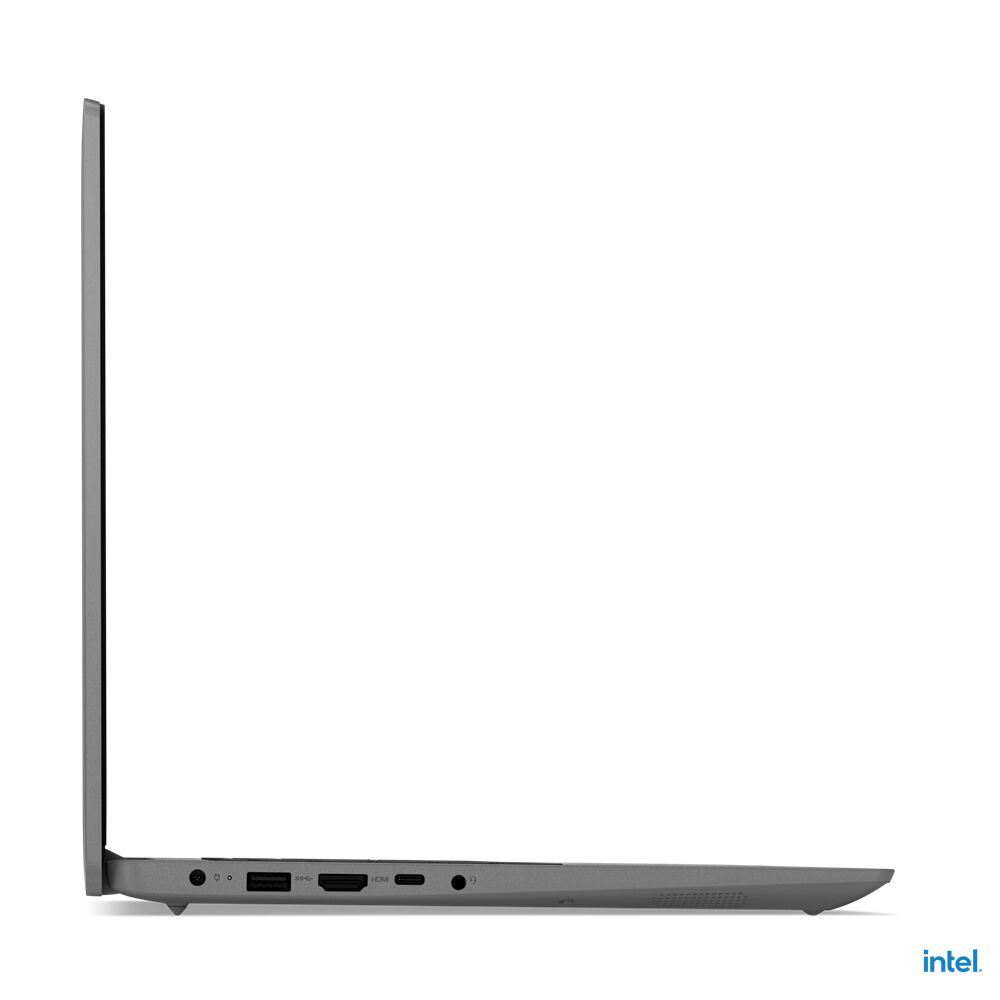

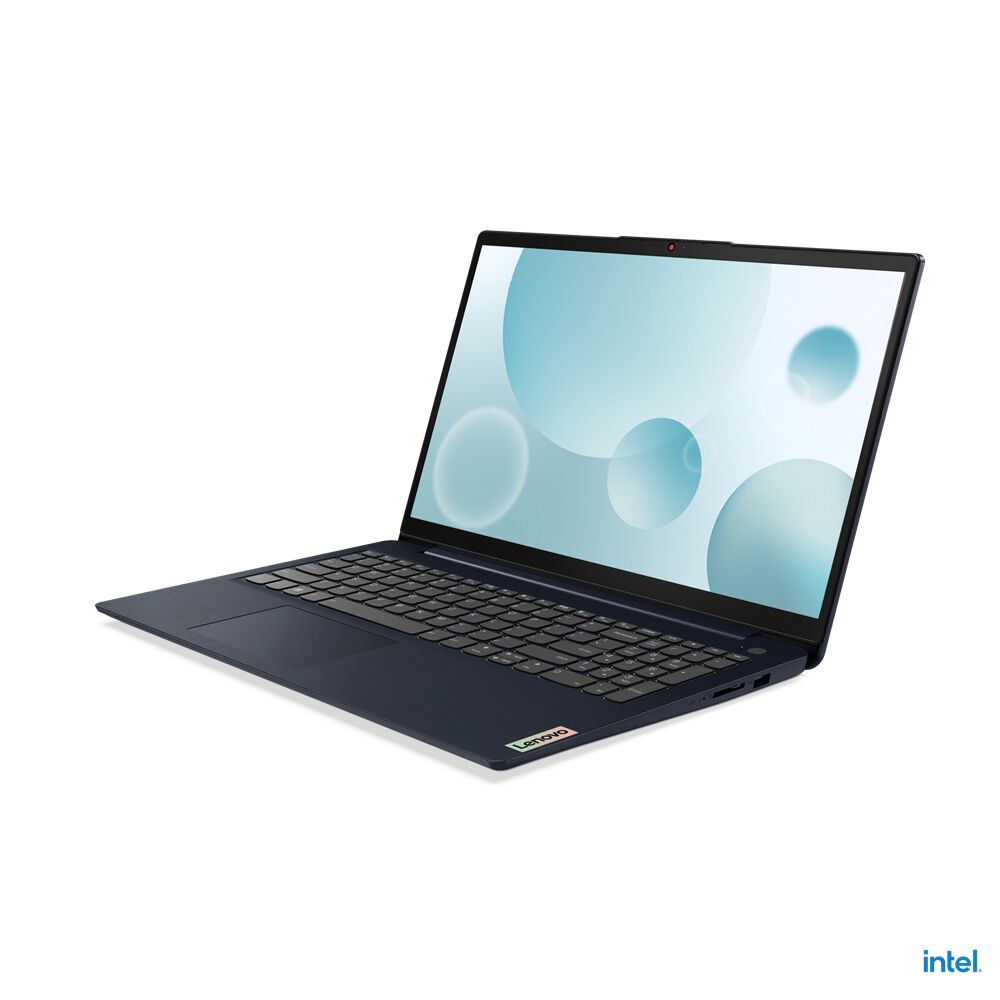
LENOVO IdeaPad Series 300 IP3 15 I5-1235U laptop features DDR4-SDRAM memory upgrade specifications. The system contains one SO-DIMM slot available for memory expansion. Upgrade capacity reaches maximum RAM of 16 GB through compatible SO-DIMM modules operating at 3200 MHz frequency. Memory configuration consists of on-board and SO-DIMM form factor slots. Compatible DDR4-SDRAM upgrades enable enhanced multitasking performance and application responsiveness for IdeaPad 300 series specifications.
Memory Upgrade Specifications
| Specification | Value |
|---|---|
| Memory slots | 1x SO-DIMM |
| Form factor | On-board + SO-DIMM |
| Memory type | DDR4-SDRAM |
| Frequency | 3200 MHz |
| Maximum RAM | 16 GB |
| Voltage | 1.2V |
| Number of pins | 260-pin |
| Interface | PC4 |
| PC Speed Rating | PC4-3200 (PC4-25600) |
| Bandwidth | 25.6 GB/s |
| Laptop Release date | 19 February 2022 |
Additional Notes
- The presence of soldered memory prevents a total system memory replacement and requires matching the frequency of the existing on board module to maintain synchronized performance.
- Adding a single module to the Lenovo IdeaPad 3 15 I5-1235U 8GB 256GB Blue enables dual channel bandwidth which significantly reduces memory latency during integrated graphics tasks.
- Physical expansion is restricted to 1 8 GB module in the open slot to reach the maximum supported architecture limit.
- Upgrading memory requires grounding to prevent electrostatic discharge since the SO-DIMM socket sits in close proximity to the main logic board components.
- The 3200 MHz frequency ceiling dictates that installing higher rated modules will result in automatic downclocking to match the processor memory controller limitations.
- Accessing the internal slot necessitates the removal of the chassis base panel which may involve plastic clips prone to fatigue if handled without specialized prying tools.
- System stability depends on utilizing non ECC unbuffered DDR4 modules as the chipset does not support error correction parity.