LENOVO IdeaPad IP3 15 I7-1255U 8GB 512GB BLUE RAM upgrade specifications


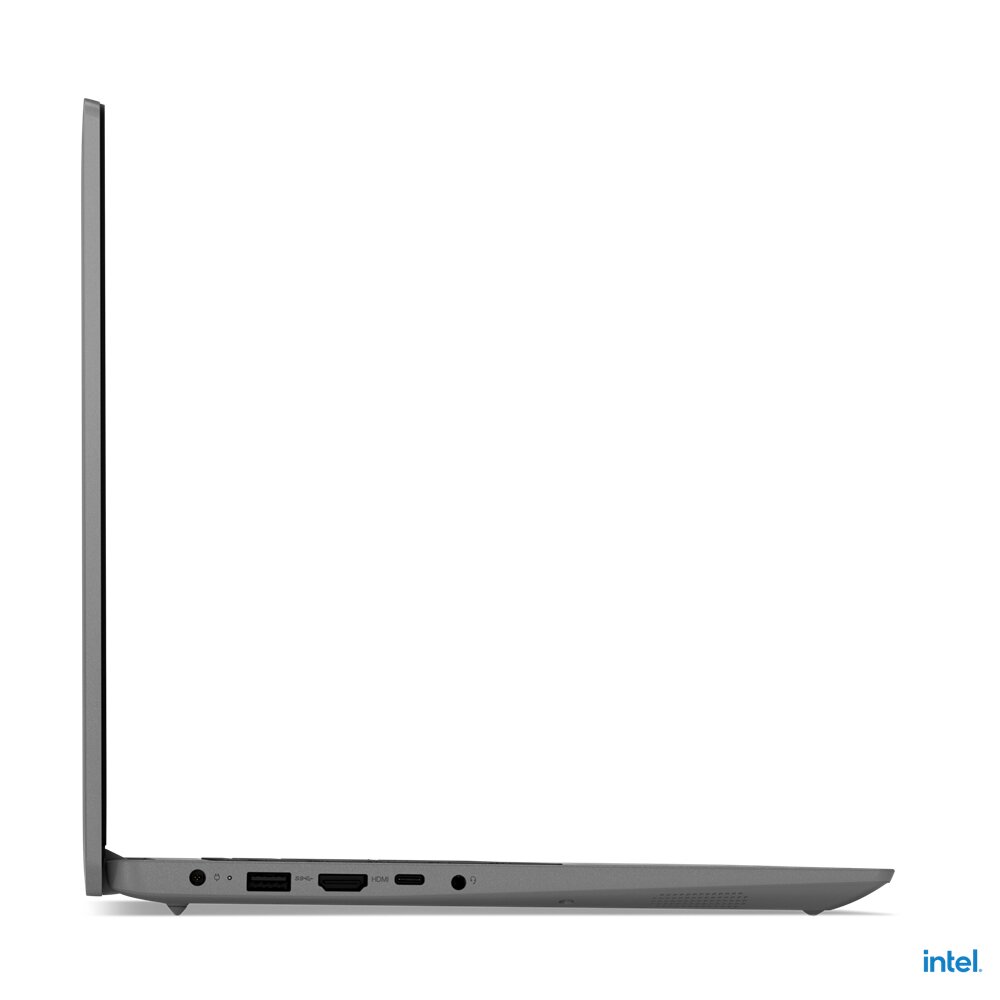

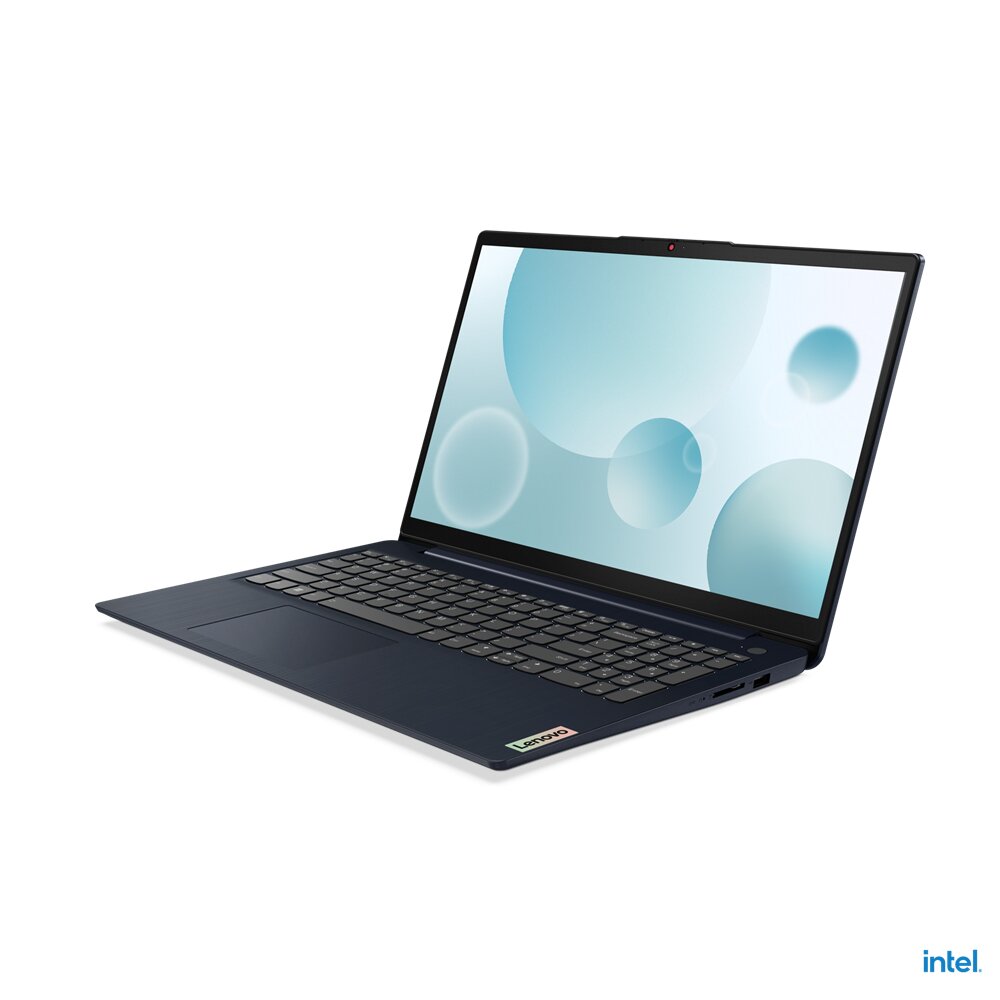
Lenovo IdeaPad 300 Series IP3 15 I7-1255U laptop features DDR4-SDRAM memory specifications supporting maximum RAM capacity of 16 GB. The device contains one SO-DIMM slot available for memory upgrade. Compatible memory operates at 3200 MHz frequency. Current configuration includes 8 GB onboard memory with one additional SO-DIMM slot, allowing maximum upgrade capacity of 16 GB total. Memory upgrade specifications indicate DDR4-SDRAM compatibility for expanding system performance through additional RAM installation.
Memory Upgrade Specifications
| Specification | Value |
|---|---|
| Memory slots | 1x SO-DIMM |
| Form factor | On-board + SO-DIMM |
| Memory type | DDR4-SDRAM |
| Frequency | 3200 MHz |
| Maximum RAM | 16 GB |
| Voltage | 1.2V |
| Number of pins | 260-pin |
| Interface | PC4 |
| PC Speed Rating | PC4-3200 (PC4-25600) |
| Bandwidth | 25.6 GB/s |
| Laptop Release date | 19 February 2022 |
Additional Notes
- The Lenovo IdeaPad 3 15 utilizes a hybrid memory architecture combining soldered RAM with a single expansion slot, which permanently limits total capacity regardless of module selection.
- With 8 GB currently installed and a 16 GB system ceiling, only 8 GB of additional capacity remains available through the SO-DIMM slot.
- The presence of onboard memory indicates that a portion of the existing 8 GB is soldered directly to the motherboard and cannot be removed or replaced.
- DDR4-3200 operates at higher frequencies than DDR4-2666 or DDR4-2933, requiring compatible modules to maintain stability and avoid automatic downclocking by the memory controller.
- Single-channel bandwidth limitations may persist even after upgrade if the soldered and socketed modules create asymmetric capacity configurations.
- Installing a module exceeding the 16 GB maximum capacity may result in POST failures, incomplete capacity recognition, or forced operation at reduced specifications.
- The SO-DIMM form factor requires physically smaller modules than standard desktop DIMMs, preventing use of incompatible desktop memory components.
- Systems with hybrid memory configurations typically require accessing the bottom panel for module installation, though soldered components remain inaccessible without board-level rework.
- Mixing memory modules from different manufacturers or with different timing specifications can introduce latency penalties even when frequency ratings match.
- The single expansion slot prevents dual-channel memory configurations beyond what the soldered component already enables, capping bandwidth scalability.