LENOVO IdeaPad IP3 15 R5 5625U 8GB 512GB BLUE RAM upgrade specifications

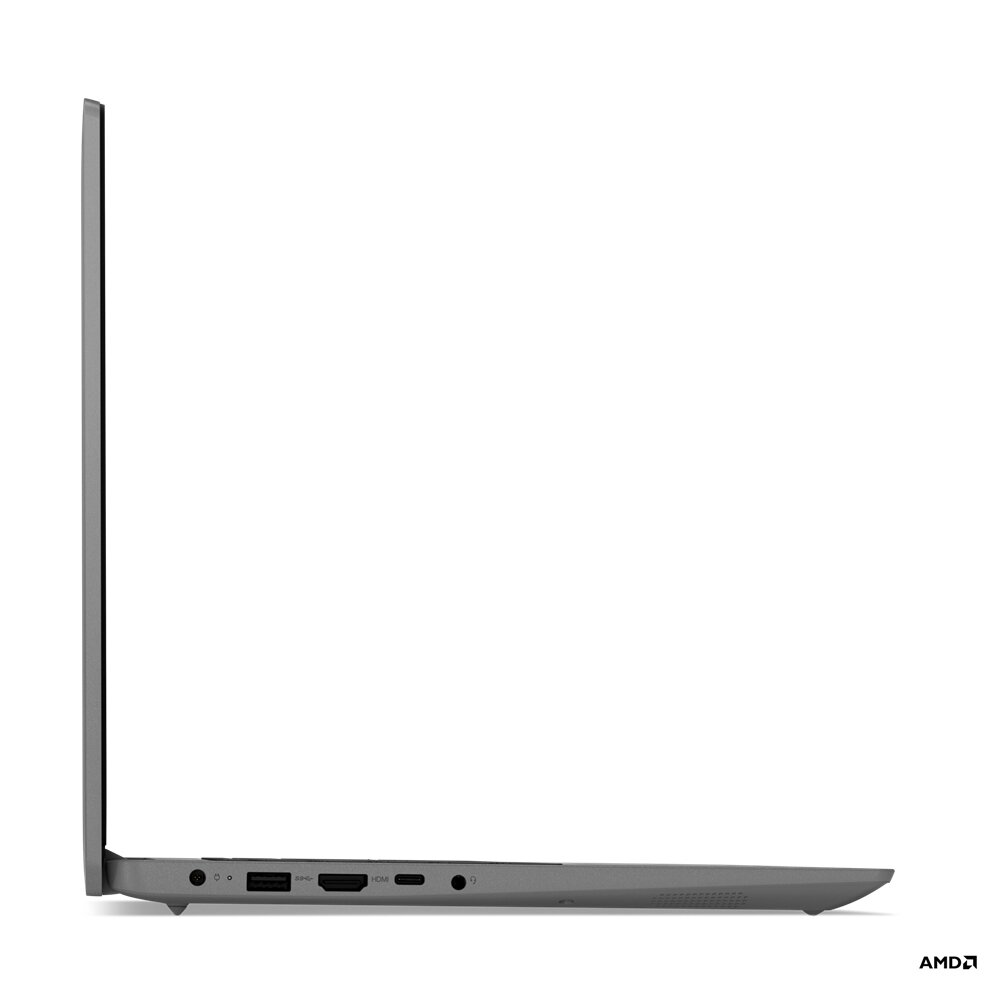
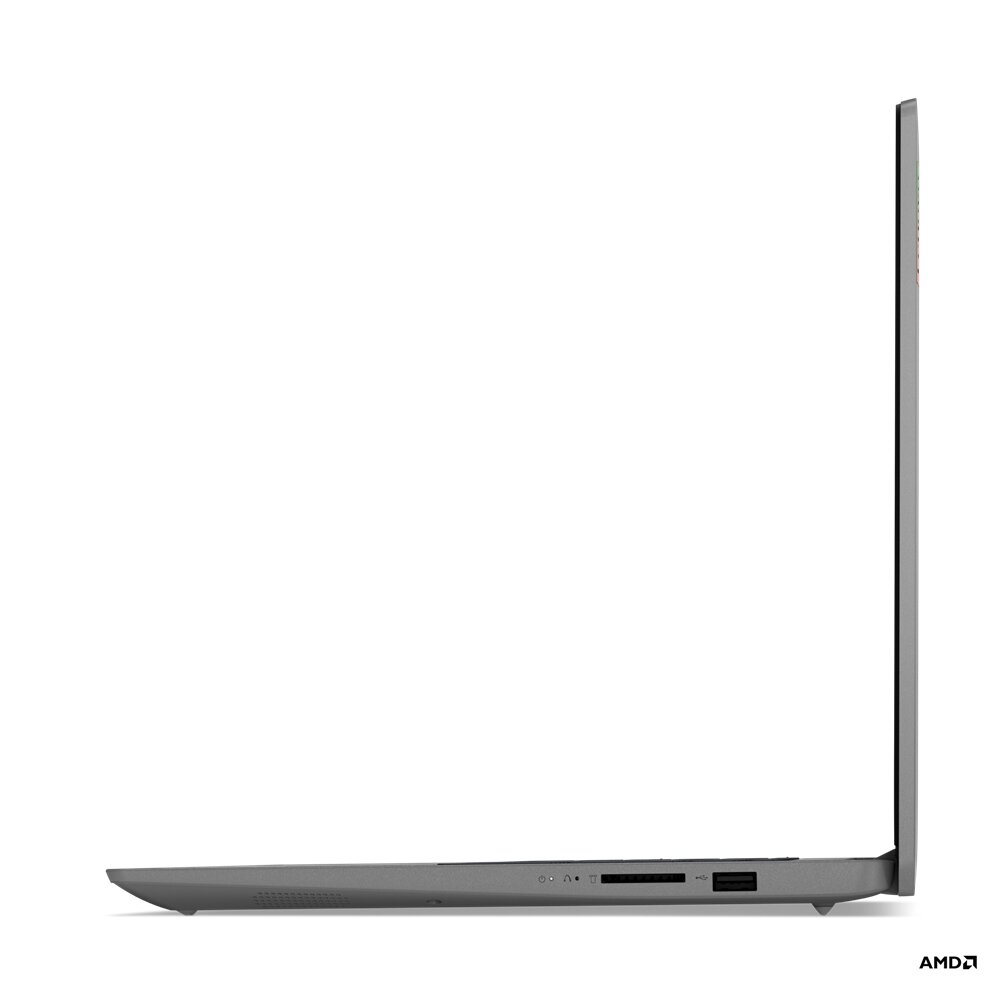
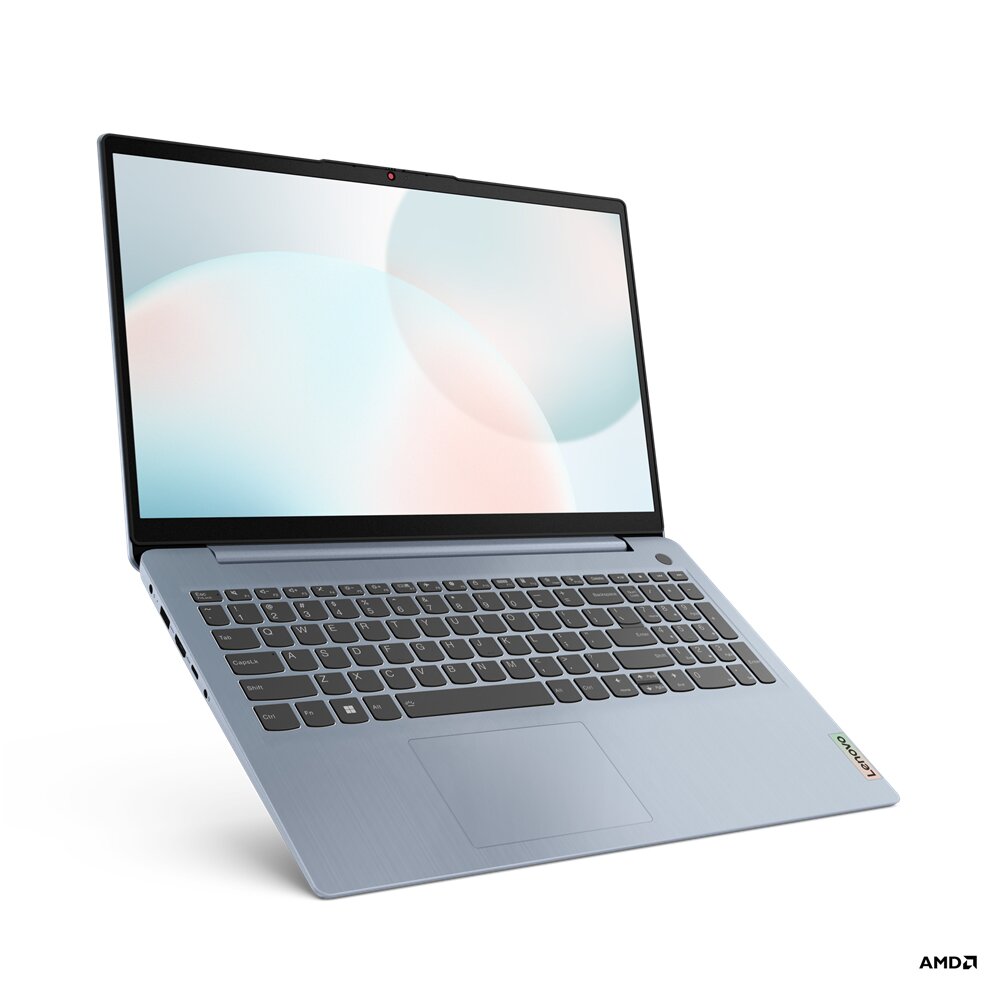
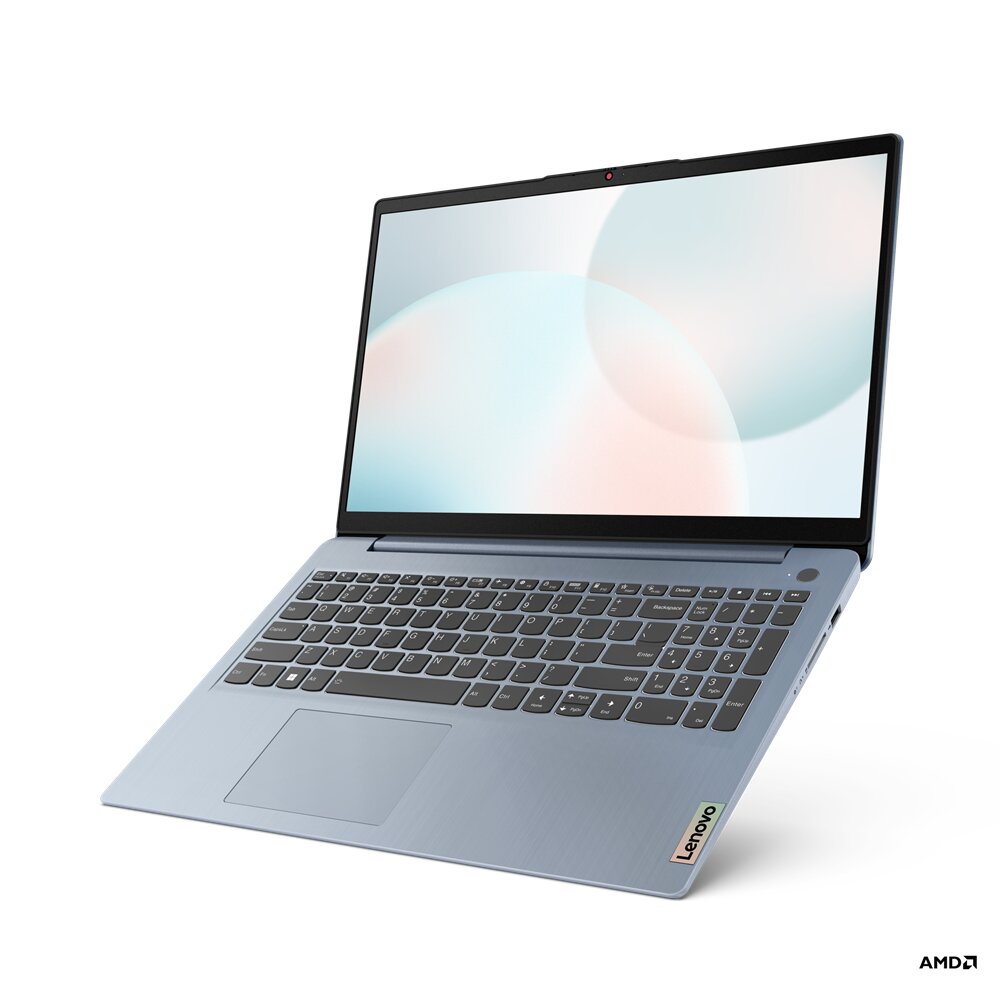
Lenovo IdeaPad 300 Series IP3 15 R5 5625U features DDR4-SDRAM memory upgrade specifications. The laptop contains one SO-DIMM slot available for RAM expansion. Maximum memory capacity reaches 16 GB total, supporting DDR4 modules operating at 3200 MHz frequency. Memory configuration includes on-board RAM plus one upgradeable SO-DIMM slot. Compatible RAM upgrades enable users to expand beyond the stock 8GB configuration. Specifications detail the memory specifications and upgrade slots available for this IdeaPad model.
Memory Upgrade Specifications
| Specification | Value |
|---|---|
| Memory slots | 1x SO-DIMM |
| Form factor | On-board + SO-DIMM |
| Memory type | DDR4-SDRAM |
| Frequency | 3200 MHz |
| Maximum RAM | 16 GB |
| Voltage | 1.2V |
| Number of pins | 260-pin |
| Interface | PC4 |
| PC Speed Rating | PC4-3200 (PC4-25600) |
| Bandwidth | 25.6 GB/s |
| Laptop Release date | 19 February 2022 |
Additional Notes
- The presence of on board memory indicates that a portion of the system RAM is permanently soldered to the motherboard and cannot be replaced or upgraded.
- Asymmetric memory configurations occur when the capacity of the module in the single SO-DIMM slot differs from the soldered capacity, potentially causing the system to operate in flex mode instead of full dual channel mode.
- The 16 GB maximum capacity ceiling implies the internal controller or BIOS architecture restricts the use of high density 16 GB or 32 GB modules in the available expansion slot.
- Integrated Radeon graphics performance relies heavily on the shared memory bandwidth, so utilizing the single expansion slot is necessary to enable dual channel throughput for improved video processing.
- The Lenovo IdeaPad IP3 15 R5 5625U 8GB 512GB BLUE requires modules with 1.2V operating voltage to maintain compatibility with the DDR4 power delivery circuit.
- Installing a module with a frequency higher than 3200 MHz results in an automatic downclock to match the hardware limitations of the Zen 3 architecture memory controller.
- Hardware serviceability is limited to a single point of failure within the memory subsystem because the soldered chips are not replaceable without specialized board level repair.