LENOVO IdeaPad Flex 6 RAM upgrade specifications
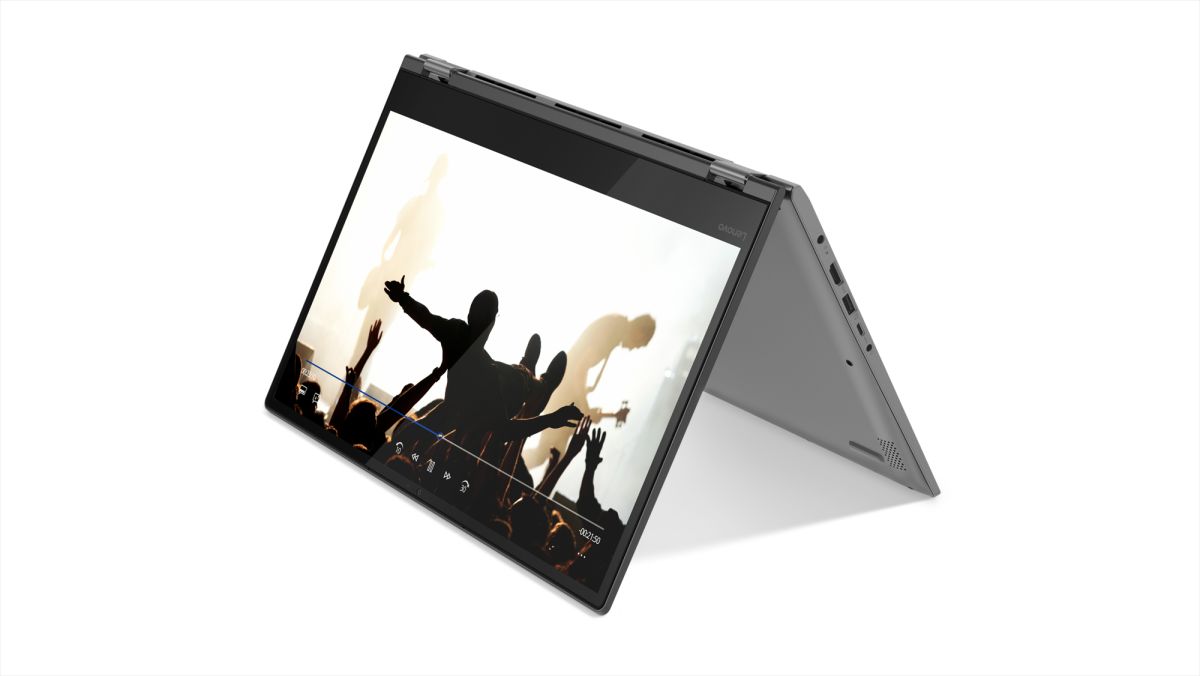
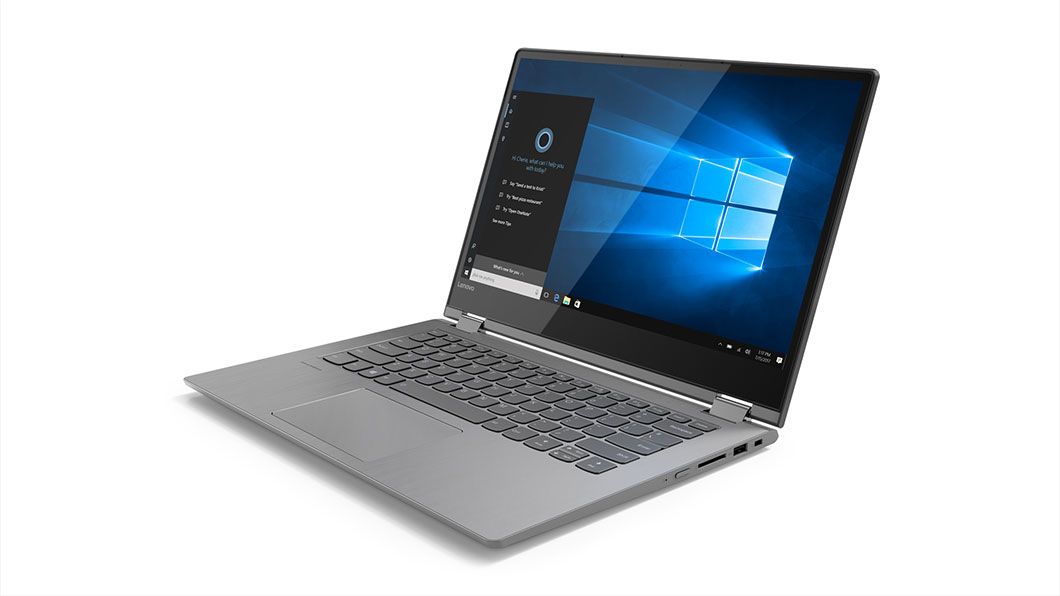
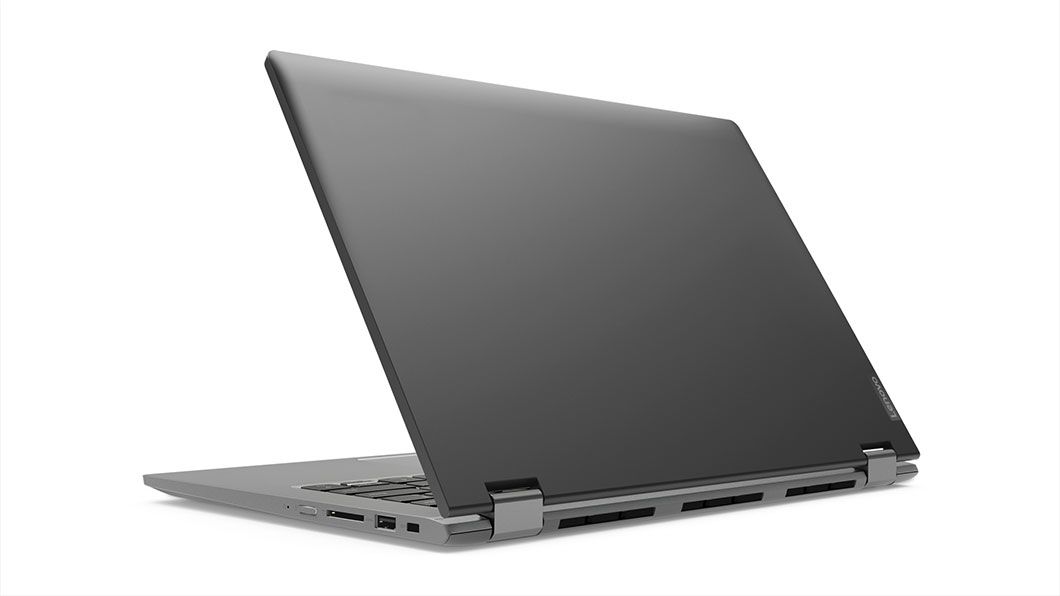
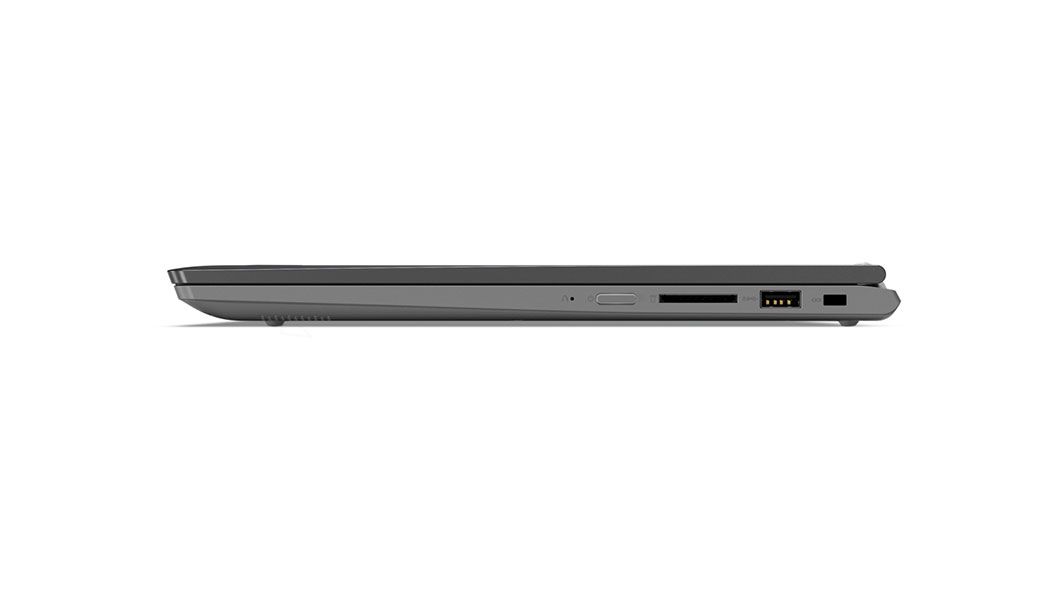
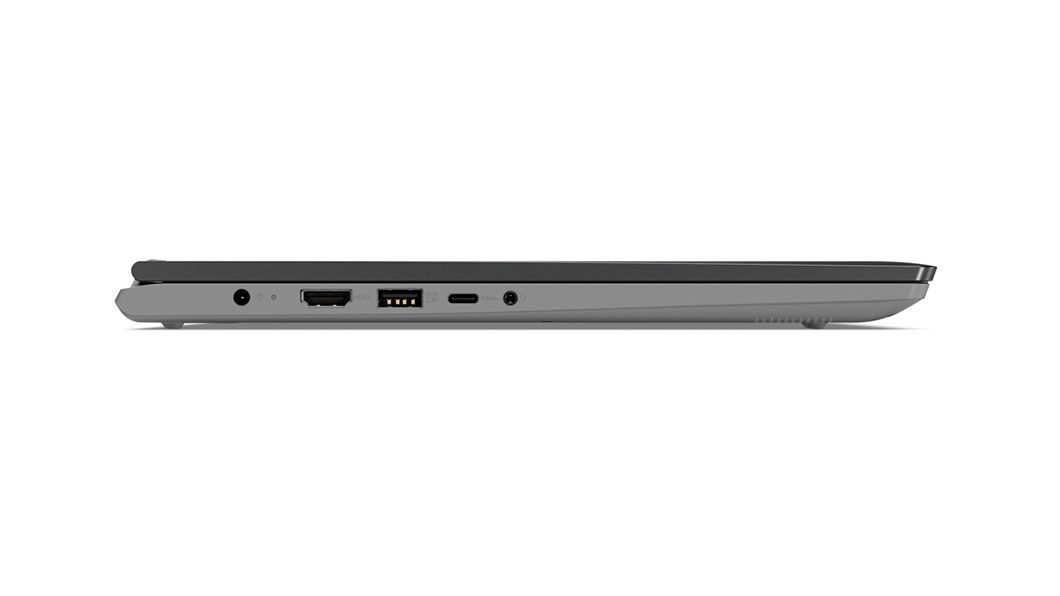
The Lenovo IdeaPad Flex 6 laptop contains one SO-DIMM memory slot supporting DDR4-SDRAM modules at 2400 MHz frequency. The maximum RAM capacity for the Flex 6 series reaches 16 GB. Compatible upgrade specifications require SO-DIMM form factor memory modules. Current memory configurations can be expanded through the available slot to achieve maximum supported capacity. Specifications indicate single-slot upgrade capability for RAM expansion on the Flex 6 model.
Memory Upgrade Specifications
| Specification | Value |
|---|---|
| Memory slots | 1x SO-DIMM |
| Form factor | SO-DIMM |
| Memory type | DDR4-SDRAM |
| Frequency | 2400 MHz |
| Maximum RAM | 16 GB |
| Voltage | 1.2V |
| Number of pins | 260-pin |
| Interface | PC4 |
| PC Speed Rating | PC4-2400 (PC4-19200) |
| Bandwidth | 19.2 GB/s |
| Laptop Release date | 13 February 2018 |
Additional Notes
- The single SO-DIMM slot design creates a non-redundant upgrade path; replacing the factory module is the only expansion option, as no additional slot exists for parallel installation.
- DDR4-2400 MHz frequency operates below contemporary DDR4 standards (3200 MHz baseline), resulting in reduced bandwidth availability for memory-intensive workloads and potential performance constraints when paired with newer processor architectures.
- The 16 GB capacity ceiling limits multitasking headroom; memory-constrained workflows such as video editing, virtualization, or large dataset processing will experience swap-to-storage penalties beyond this threshold.
- SO-DIMM form factor confirms this Lenovo IdeaPad Flex 6 employs laptop-class memory modules; desktop DDR4 UDIMMs are physically incompatible and cannot be force-fitted without hardware damage.
- Warranty implications depend on BIOS-level memory validation; some OEM firmware restricts operation to manufacturer-approved module SKUs, potentially voiding coverage if third-party DDR4 SO-DIMM modules are installed despite matching specifications.
- Thermal behavior may degrade under sustained 16 GB utilization in compact form factors; the Flex 6 chassis design may not accommodate aggressive active cooling, causing thermal throttling during peak memory bandwidth scenarios.
- The frequency specification suggests first or second-generation DDR4 era components; compatibility with newer high-performance DDR4 modules operating at 3000+ MHz will downclock to 2400 MHz JEDEC standards, negating speed advantages.