LENOVO IdeaPad Gaming 3 15ARH7 RAM upgrade specifications
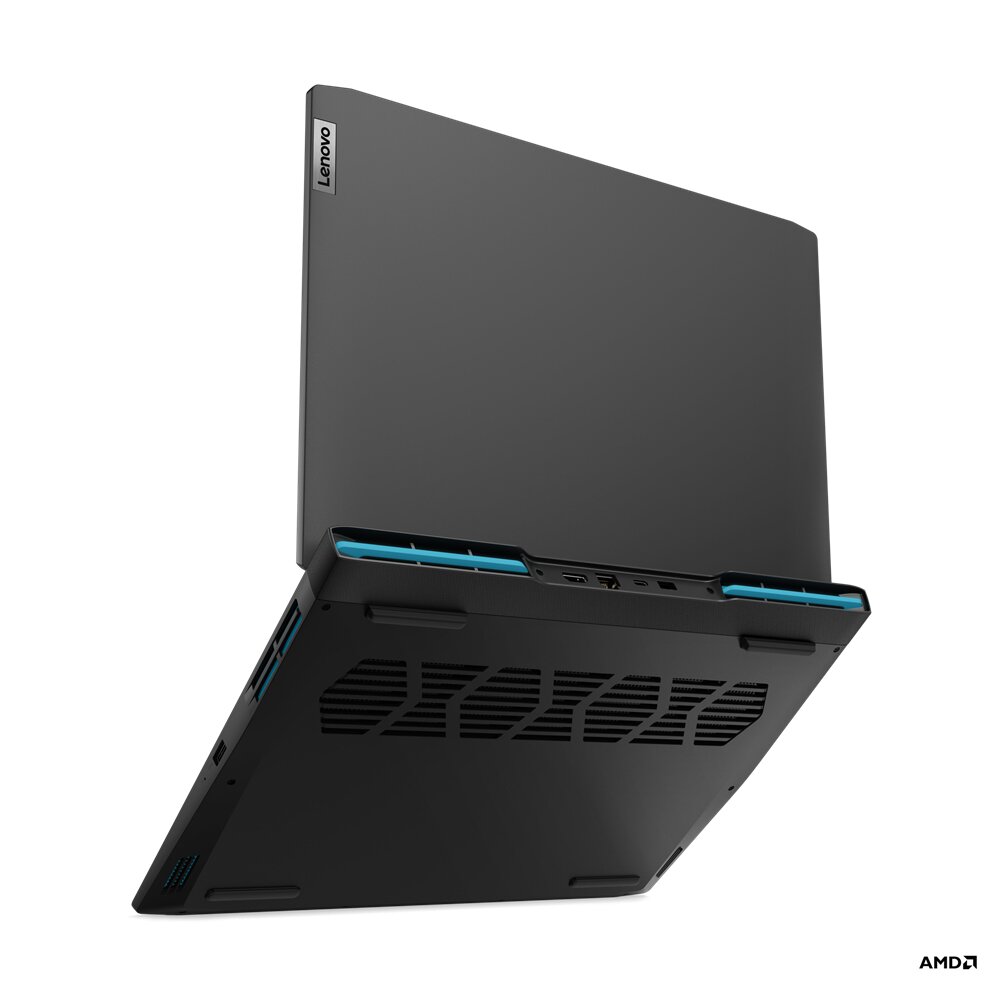
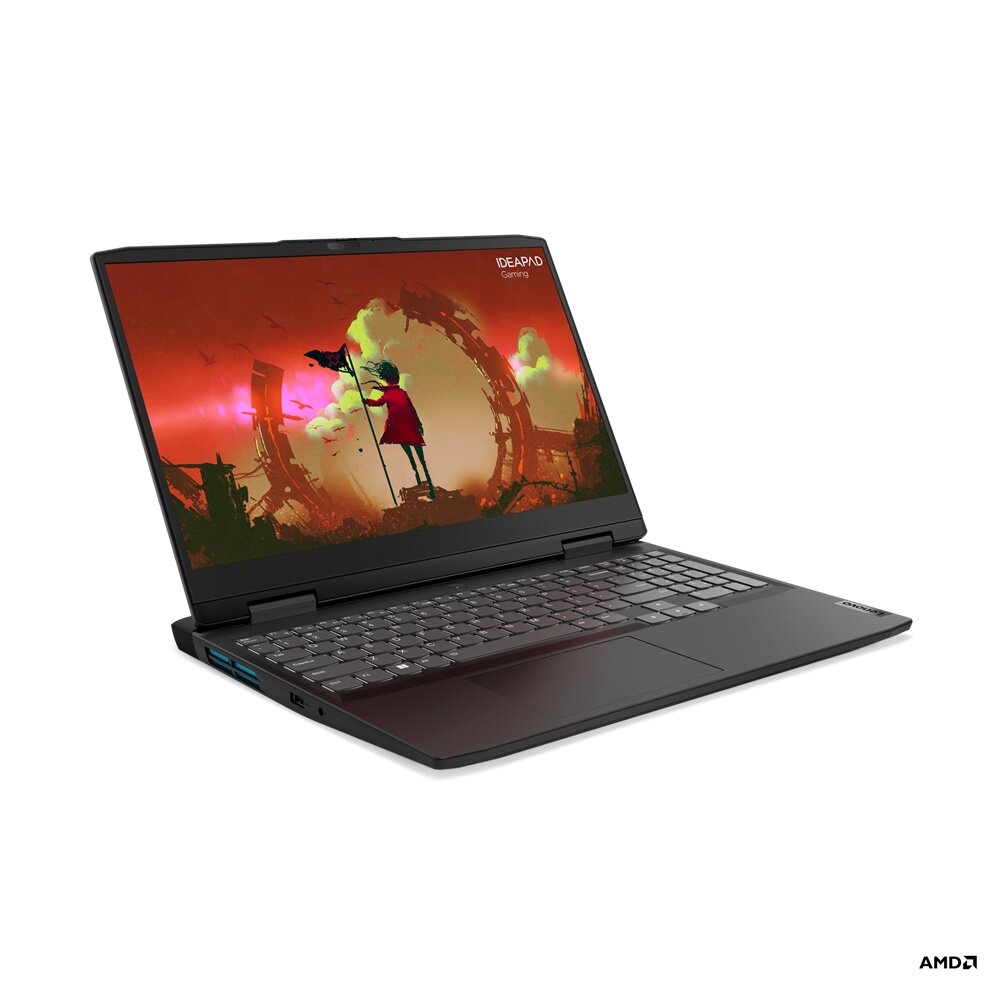
LENOVO IdeaPad Gaming 3 15ARH7 supports DDR5-SDRAM memory upgrades through two SO-DIMM slots. Maximum compatible RAM capacity reaches 16 GB total. Memory specifications include 4800 MHz frequency operation. Upgrade configurations accommodate SO-DIMM form factor modules. Specifications detail the compatible memory upgrade options available for this LENOVO Gaming 3 15ARH7 laptop model.
Memory Upgrade Specifications
| Specification | Value |
|---|---|
| Memory slots | 2x SO-DIMM |
| Form factor | SO-DIMM |
| Memory type | DDR5-SDRAM |
| Frequency | 4800 MHz |
| Maximum RAM | 16 GB |
| Voltage | 1.1V |
| Number of pins | 262-pin |
| Interface | PC5 |
| PC Speed Rating | PC5-4800 (PC5-38400) |
| Bandwidth | 38.4 GB/s |
| Laptop Release date | 07 February 2023 |
Additional Notes
- The LENOVO IdeaPad Gaming 3 15ARH7 imposes a 16 GB total memory ceiling, limiting each SO-DIMM slot to a maximum 8 GB module regardless of higher-capacity DDR5 availability.
- DDR5-4800 represents the baseline JEDEC standard speed, suggesting the system may support higher frequencies through XMP profiles if the AMD Ryzen processor includes memory overclocking capabilities.
- Dual-channel operation requires matched capacity and timing specifications across both SO-DIMM slots to achieve full bandwidth utilization of the DDR5 architecture.
- SO-DIMM DDR5 modules physically differ from DDR4 predecessors through altered notch positioning, preventing incorrect installation but requiring verification of DDR5-specific compatibility before purchase.
- The 2-slot configuration with 16 GB maximum indicates no soldered memory components, allowing complete replacement without wasting pre-installed modules during upgrades.
- Memory upgrades maintain manufacturer warranty coverage when using JEDEC-standard DDR5 SO-DIMMs, whereas overclocked or non-standard modules may introduce support complications.
- DDR5's on-die ECC functionality operates independently of user configuration, providing inherent data integrity improvements over DDR4 without requiring BIOS adjustments.
- The 4800 MHz frequency specification reflects a balance between gaming workload responsiveness and thermal management within the laptop's cooling design constraints.
- Installing a single module triggers single-channel mode, halving memory bandwidth and potentially reducing integrated graphics performance or CPU-dependent gaming frame rates.
- Future memory availability favors DDR5 standardization, reducing obsolescence risk compared to end-of-life DDR4 inventory constraints.