LENOVO IdeaPad ideapad L340-15IWL RAM upgrade specifications

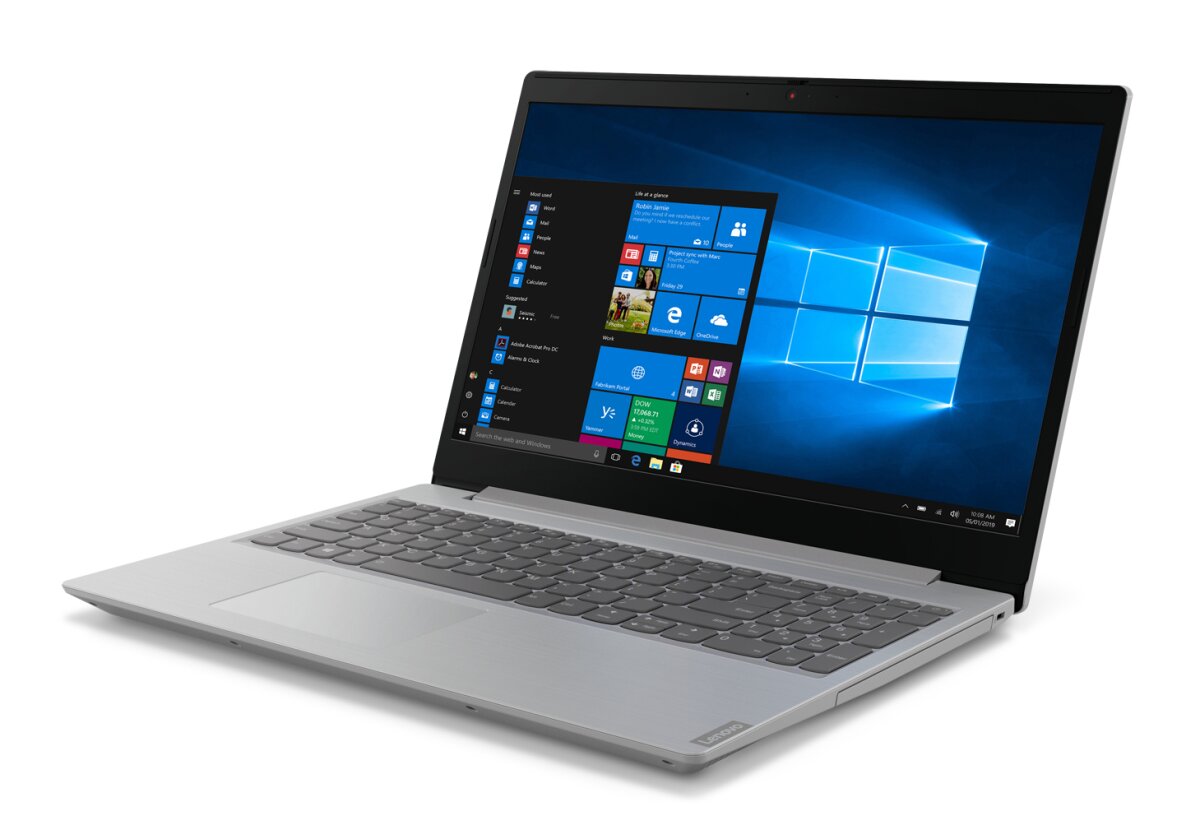
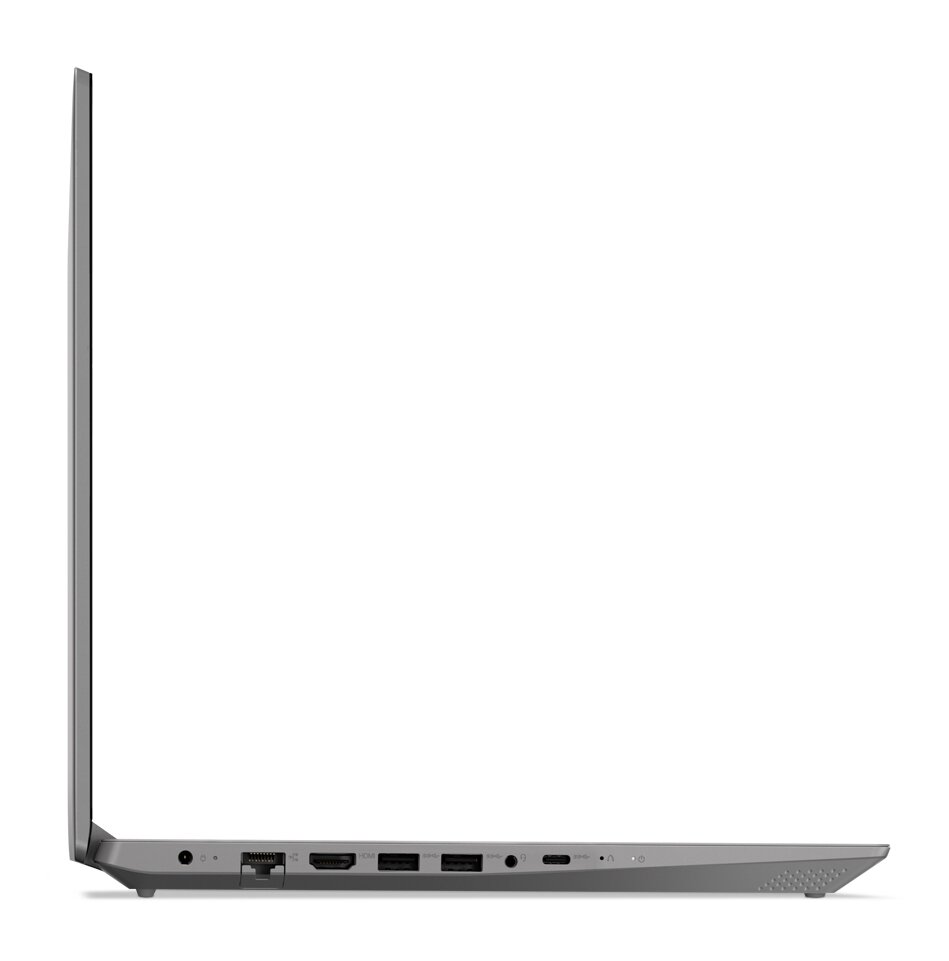
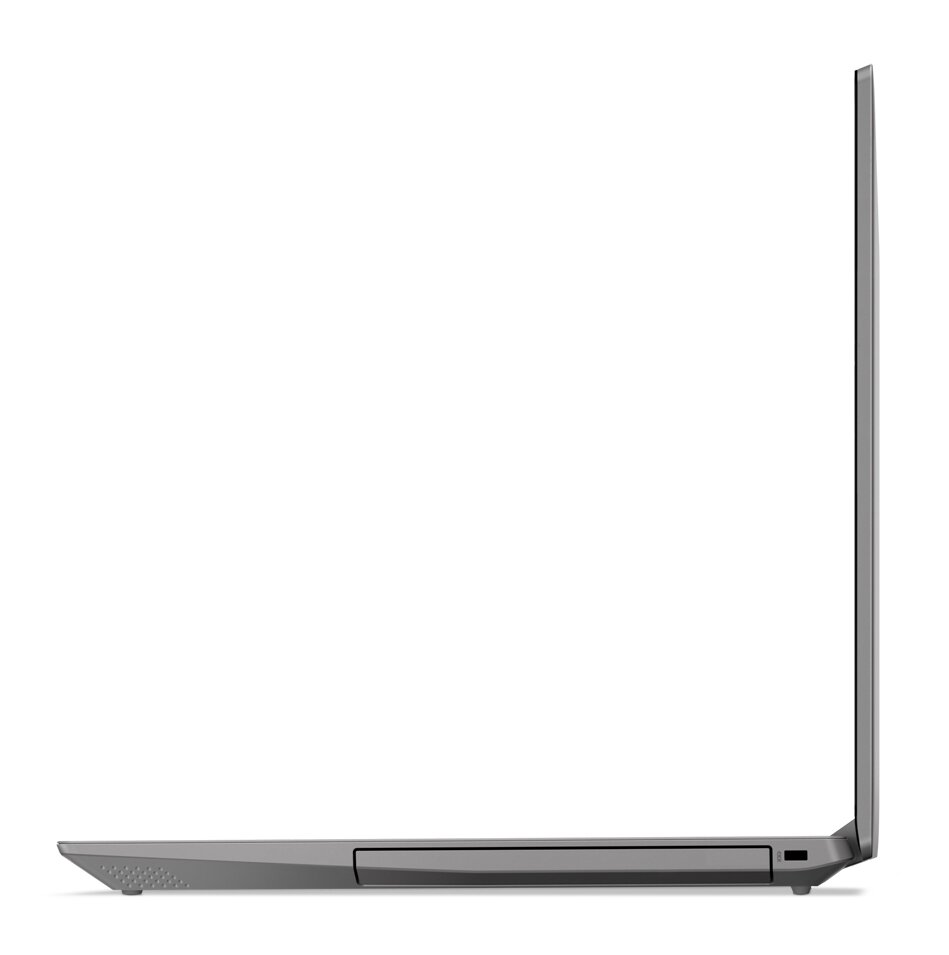

The LENOVO IdeaPad L340-15IWL laptop features DDR4-SDRAM memory specifications for RAM upgrade capability. The upgrade configuration includes 1x SO-DIMM memory slot with maximum compatible capacity of 16 GB. The memory type operates at 2133 MHz frequency. The system combines on-board memory with SO-DIMM slot configuration, providing expansion options for the IdeaPad L series 15-inch model. Compatible memory upgrades must meet DDR4 specifications for proper functionality with the L340-15IWL platform.
Memory Upgrade Specifications
| Specification | Value |
|---|---|
| Memory slots | 1x SO-DIMM |
| Form factor | On-board + SO-DIMM |
| Memory type | DDR4-SDRAM |
| Frequency | 2133 MHz |
| Maximum RAM | 16 GB |
| Voltage | 1.2V |
| Number of pins | 260-pin |
| Interface | PC4 |
| PC Speed Rating | PC4-2133 (PC4-17064) |
| Bandwidth | 17.1 GB/s |
Additional Notes
- The single SO-DIMM slot configuration paired with onboard memory prevents dual-channel operation unless the soldered RAM matches the installed module's capacity and timing specifications.
- The 2133 MHz frequency represents DDR4-2133 standard, which will downclock any higher-speed modules (2400 MHz, 2666 MHz, or 3200 MHz) to maintain compatibility with the system's memory controller.
- The 16 GB maximum capacity limitation originates from the Intel Whiskey Lake processor architecture used in the L340-15IWL, which restricts total addressable memory regardless of module density.
- Accessing the SO-DIMM slot requires bottom panel removal, where the onboard memory remains permanently soldered to the motherboard and cannot be replaced or upgraded independently.
- Mixed memory configurations (combining the factory-installed onboard RAM with an added SO-DIMM) may force single-channel operation if capacities differ, reducing memory bandwidth by approximately 50 percent compared to matched dual-channel setups.
- The SO-DIMM specification requires modules with 260-pin connectors specifically designed for laptop form factors, excluding standard desktop DIMM modules which use 288 pins.
- Installation of non-standard voltage modules (low-voltage DDR4L operating at 1.2V versus standard 1.2V DDR4) typically functions without issue, though the system BIOS controls final voltage regulation.
- The memory controller's JEDEC standards compliance ensures automatic SPD profile detection, eliminating manual timing configuration but preventing XMP overclocking profiles from activating.