LENOVO IdeaPad Y520 RAM upgrade specifications

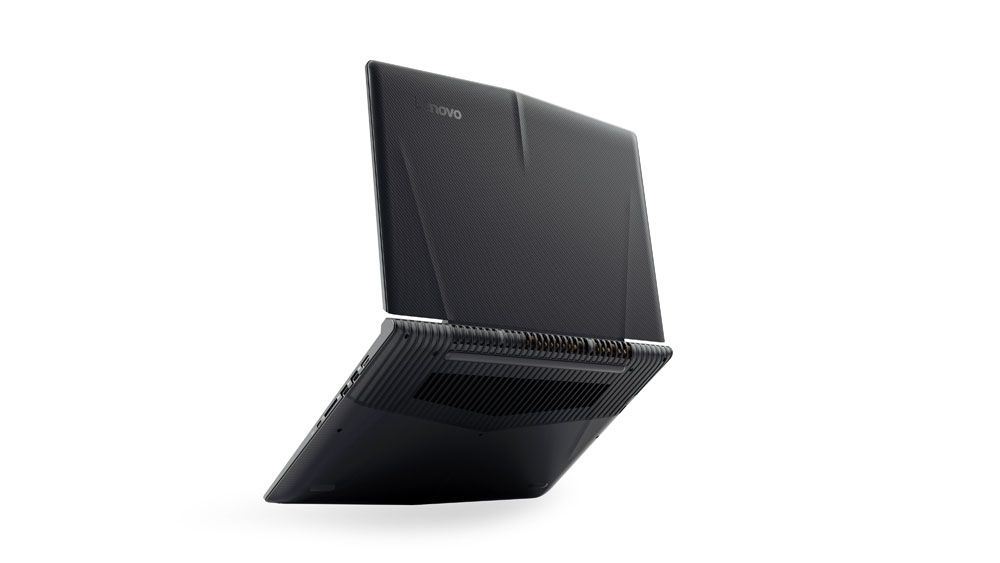
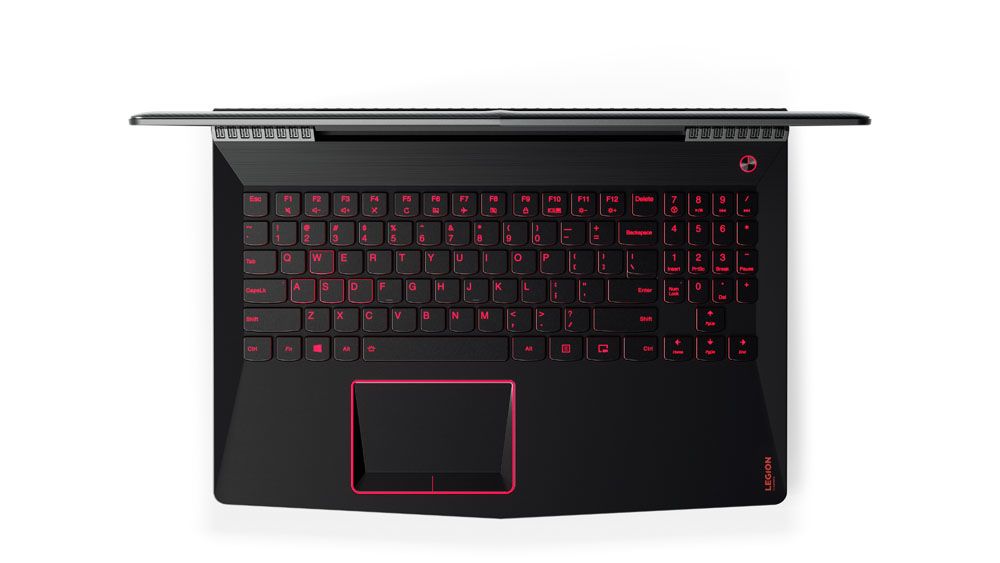
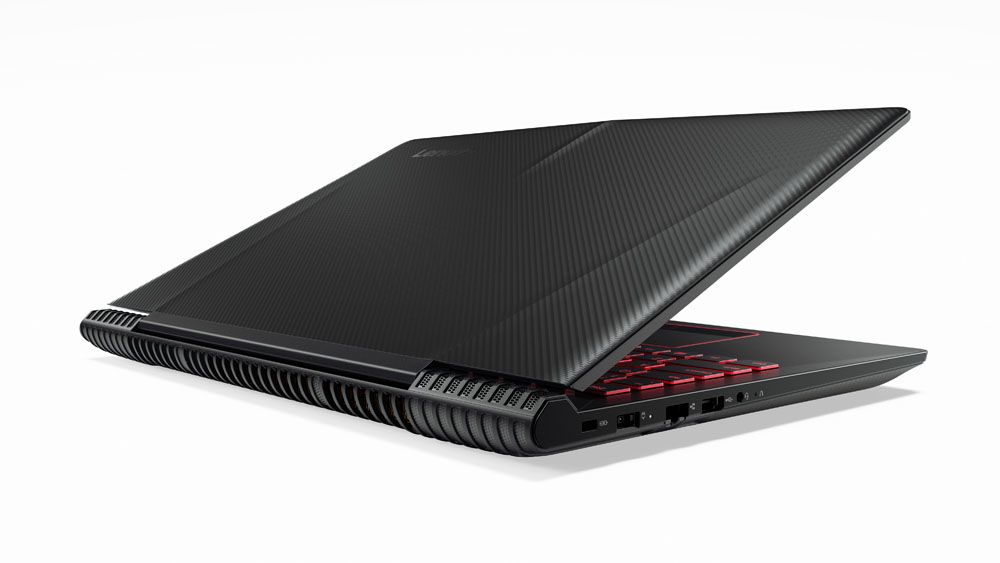
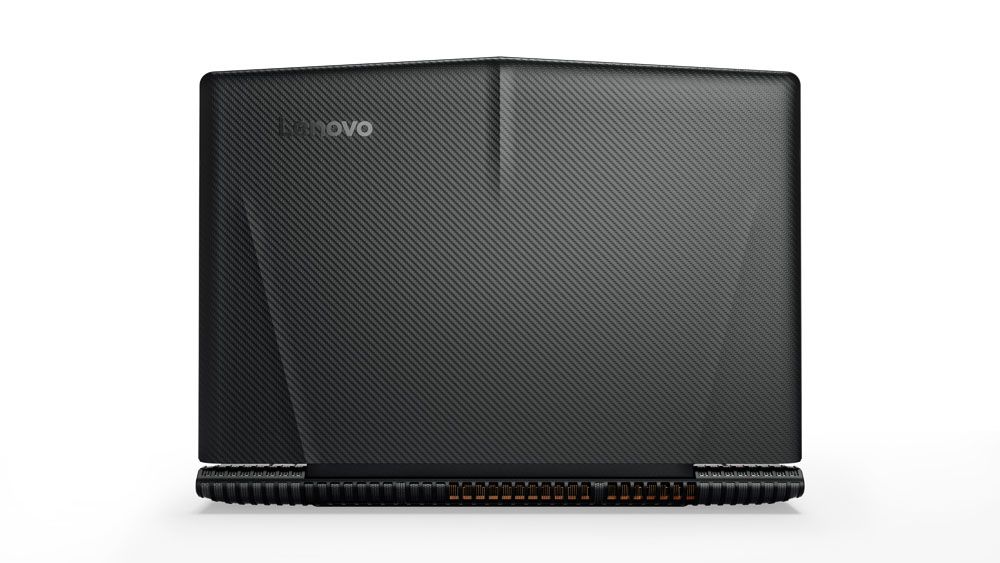
The Lenovo IdeaPad Legion Y520 features DDR4-SDRAM memory upgrade capabilities with two SO-DIMM slots supporting a maximum RAM capacity of 32 GB. Compatible memory operates at 2400 MHz frequency. Specifications indicate upgrade compatibility with DDR4 SO-DIMM modules, enabling users to expand memory capacity beyond factory configurations. The dual-slot architecture permits installation of matched or mixed-capacity modules up to the stated maximum threshold for enhanced multitasking performance.
Memory Upgrade Specifications
| Specification | Value |
|---|---|
| Memory slots | 2x SO-DIMM |
| Form factor | SO-DIMM |
| Memory type | DDR4-SDRAM |
| Frequency | 2400 MHz |
| Maximum RAM | 32 GB |
| Voltage | 1.2V |
| Number of pins | 260-pin |
| Interface | PC4 |
| PC Speed Rating | PC4-2400 (PC4-19200) |
| Bandwidth | 19.2 GB/s |
| Laptop Release date | 14 June 2017 |
Additional Notes
- The 2400 MHz specification represents the maximum officially supported memory speed, meaning faster modules will downclock to this frequency.
- SO-DIMM slots indicate a laptop form factor, making standard desktop DIMM modules physically incompatible regardless of electrical specifications.
- The 32 GB maximum capacity implies a dual-channel configuration supporting 16 GB modules per slot.
- DDR4-2400 operates at a lower bandwidth (19.2 GB/s per channel) compared to DDR4-2666 or DDR4-3200, potentially limiting performance in memory-intensive applications.
- Both memory slots must remain accessible without motherboard removal for user-serviceable upgrades to maintain warranty coverage.
- Mixing modules of different capacities (asymmetric configuration) will disable dual-channel mode for the excess capacity beyond the smaller module.
- Non-standard voltage modules (low-voltage DDR4L vs. standard 1.2V DDR4) may cause boot failures or system instability despite matching other specifications.
- The 2400 MHz frequency predates JEDEC's DDR4-2666 standard adoption, limiting compatibility with newer modules that default to higher SPD profiles.
- Single-channel operation with one occupied slot reduces memory bandwidth by 50%, creating bottlenecks in integrated graphics scenarios or parallel workloads.
- Module height (standard 30mm vs. low-profile variants) can interfere with heat sink clearance in confined laptop chassis designs.
- Upgrading from factory-installed single modules requires matching rank configuration (single-rank vs. dual-rank) to avoid compatibility issues with the memory controller.