LENOVO IdeaPad Y720 RAM upgrade specifications
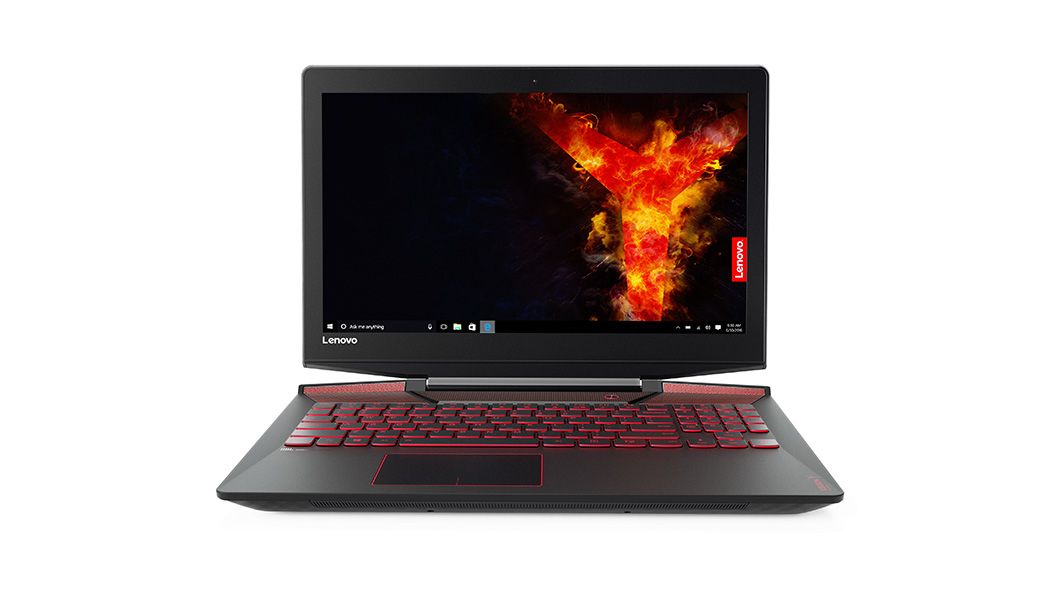
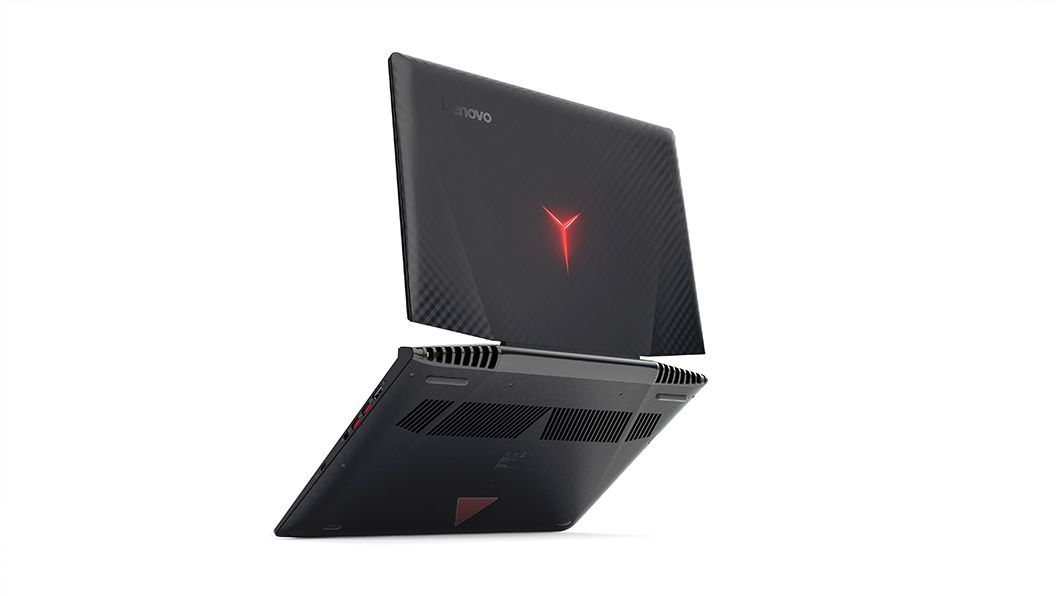
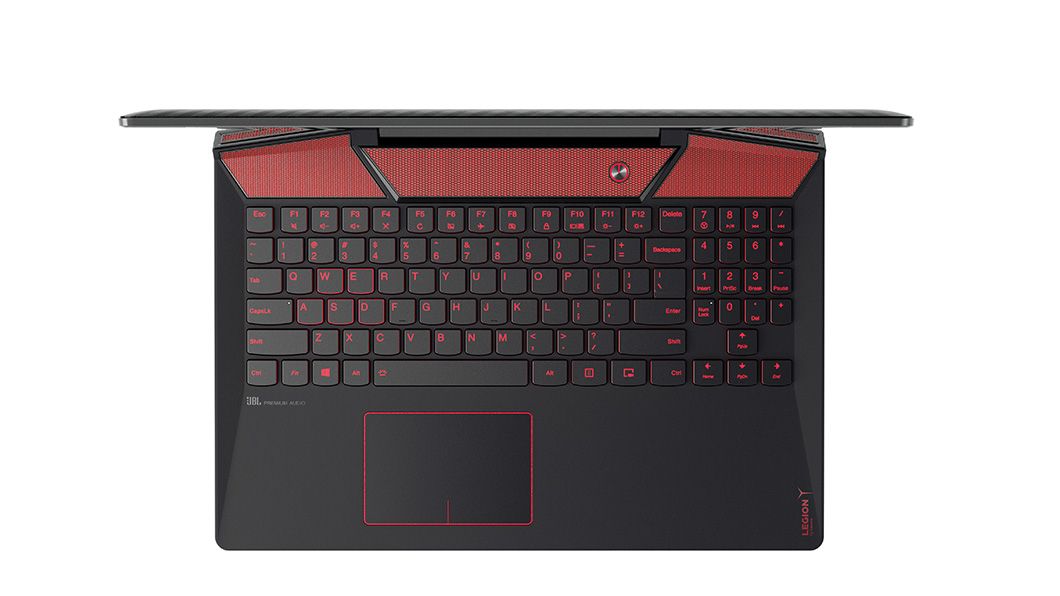
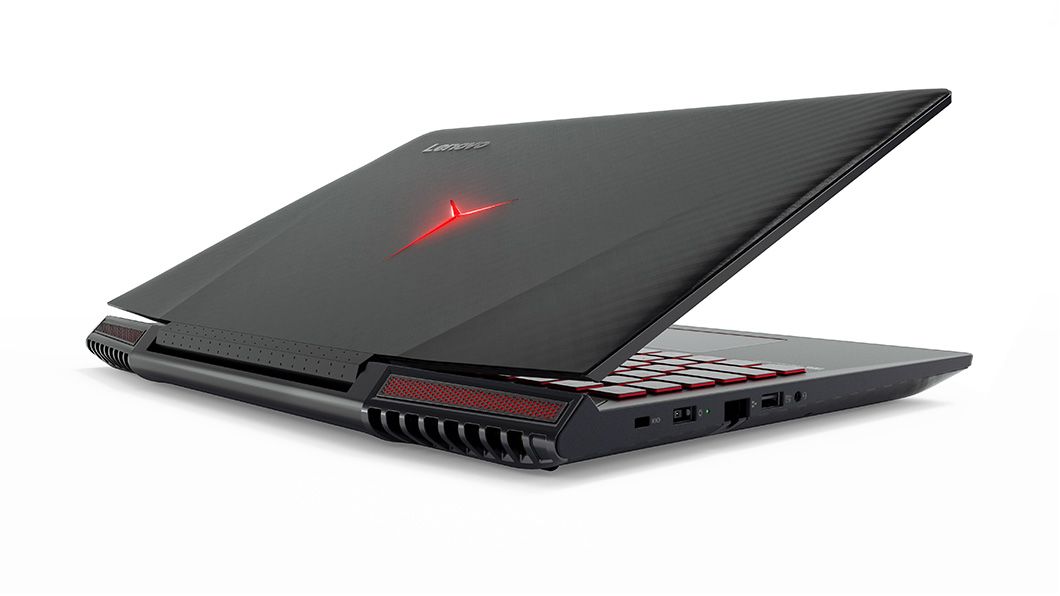
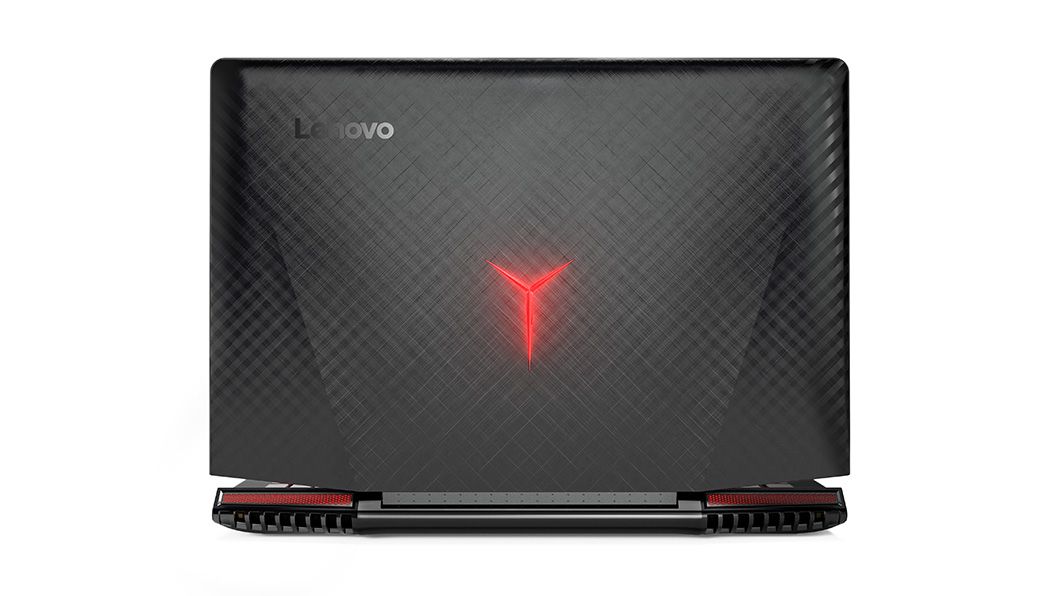
The Lenovo IdeaPad Legion Y720 supports DDR4-SDRAM memory upgrades with two SO-DIMM slots available for expansion. Maximum compatible RAM capacity reaches 32 GB total, with memory operating at 2400 MHz frequency. Upgrade specifications indicate SO-DIMM form factor modules required for this gaming laptop model. Current memory configuration and available slots permit modular RAM expansion to meet performance requirements.
Memory Upgrade Specifications
| Specification | Value |
|---|---|
| Memory slots | 2x SO-DIMM |
| Form factor | SO-DIMM |
| Memory type | DDR4-SDRAM |
| Frequency | 2400 MHz |
| Maximum RAM | 32 GB |
| Voltage | 1.2V |
| Number of pins | 260-pin |
| Interface | PC4 |
| PC Speed Rating | PC4-2400 (PC4-19200) |
| Bandwidth | 19.2 GB/s |
| Laptop Release date | 14 June 2017 |
Additional Notes
- The 2400 MHz frequency limitation may create a bottleneck when paired with high-performance CPUs that could otherwise benefit from faster RAM speeds available in DDR4 specifications.
- Installation of 32 GB total requires both SO-DIMM slots to be populated with 16 GB modules, eliminating future expansion capacity beyond this ceiling.
- Mixing RAM modules with different speeds will force all installed memory to operate at the frequency of the slowest module, potentially downclocking faster RAM to 2400 MHz.
- Single-channel configuration occurs when only 1 slot is populated, reducing memory bandwidth by approximately 50% compared to dual-channel operation with matched modules in both slots.
- Non-standard voltage modules may cause POST failures or system instability, as DDR4 SO-DIMMs for this platform typically require 1.2V specification.
- Third-party RAM installations generally preserve warranty coverage, but physical damage during installation or incompatible module usage could void protection for affected components.
- The SO-DIMM form factor restriction prevents use of standard desktop DIMM modules, which are physically incompatible with laptop memory slots.
- Systems shipped with lower-density modules (such as 4 GB or 8 GB sticks) must have existing RAM removed to reach 32 GB capacity, as only 2 physical slots exist.
- ECC (Error-Correcting Code) SO-DIMM modules are incompatible with consumer-grade platforms like this model, despite sharing the DDR4 specification.
- Latency timings (CAS latency) affect real-world performance independently of frequency, though this platform does not expose timing configuration in standard BIOS implementations.
- Dual-rank modules may provide marginal performance improvements over single-rank modules at identical frequencies, though compatibility varies by specific CPU generation installed.
- RAM operating above 2400 MHz will automatically downclock to match the supported frequency ceiling, offering no performance advantage despite higher rated specifications.