LENOVO IdeaPad S145-15API RAM upgrade specifications

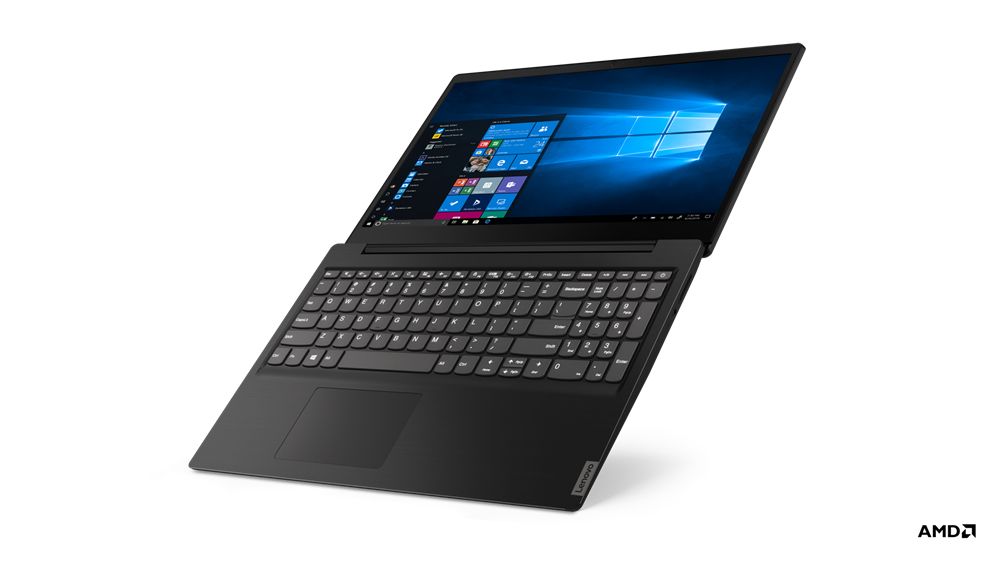
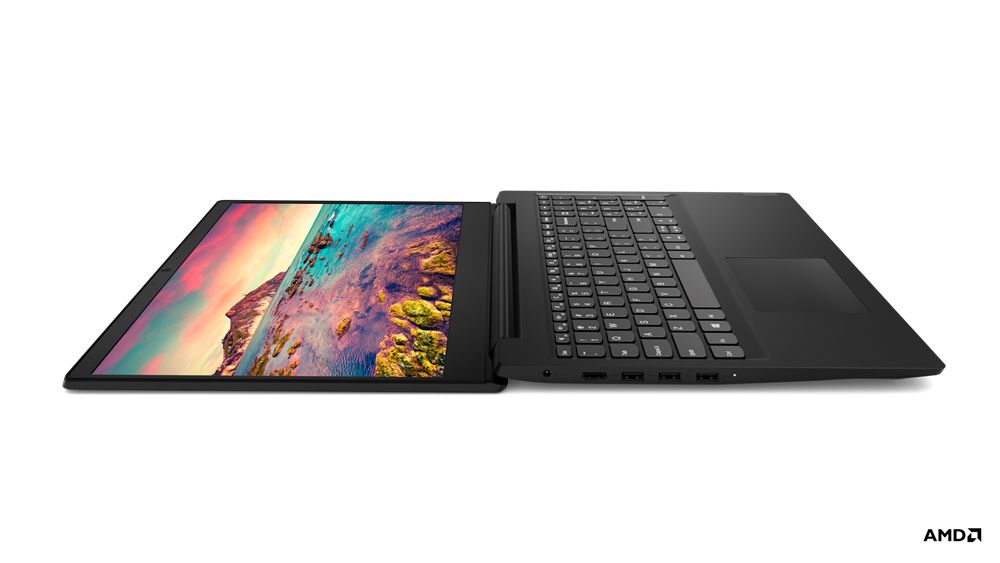
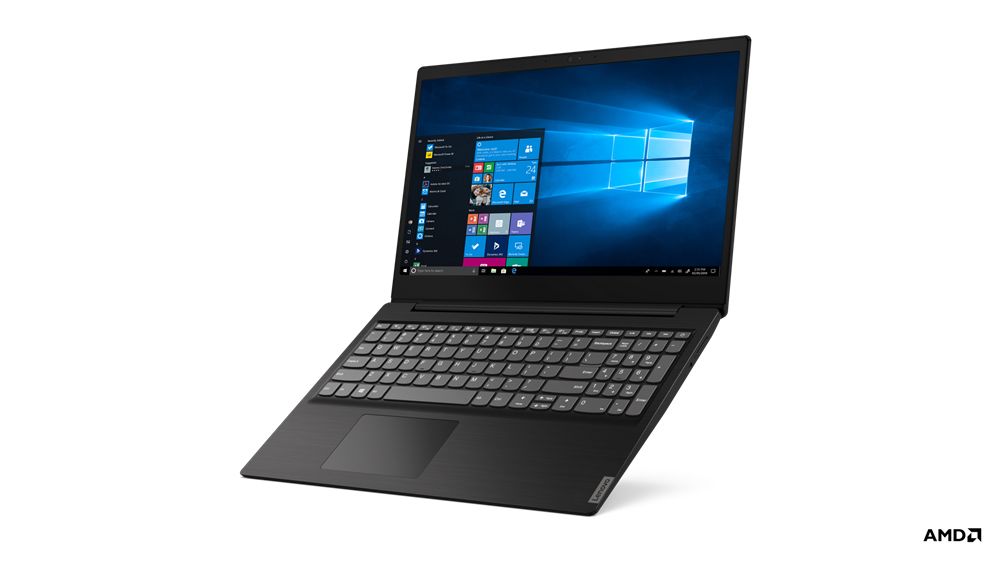
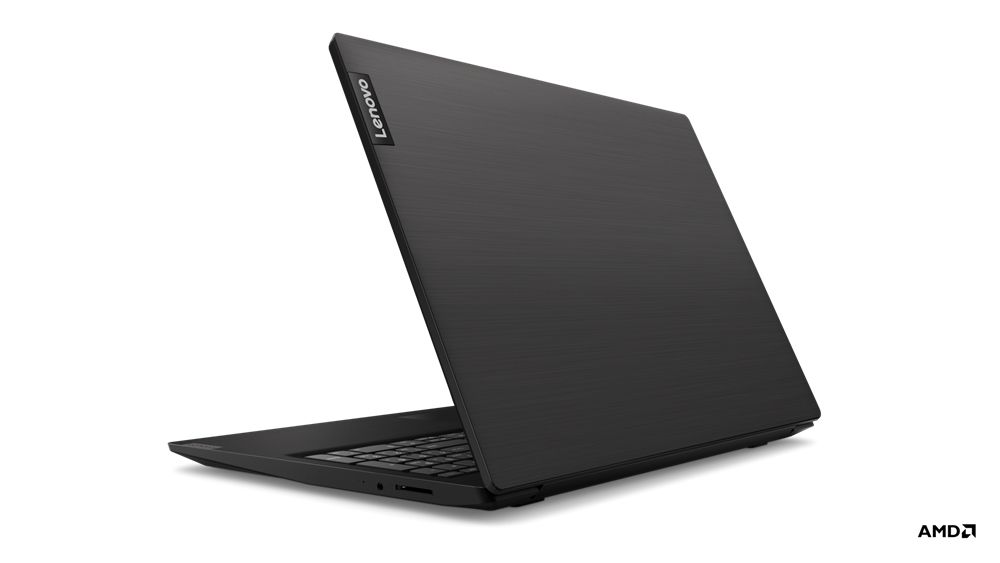
The Lenovo IdeaPad S145-15API supports DDR4-SDRAM memory upgrades with specifications compatible with one SO-DIMM slot. The laptop features on-board memory combined with a single upgradeable SO-DIMM slot, allowing maximum RAM capacity of 12 GB. Memory operates at 2400 MHz frequency. Upgrade capacity depends on on-board configuration, with the SO-DIMM slot accepting compatible DDR4 modules to reach maximum specifications.
Memory Upgrade Specifications
| Specification | Value |
|---|---|
| Memory slots | 1x SO-DIMM |
| Form factor | On-board + SO-DIMM |
| Memory type | DDR4-SDRAM |
| Frequency | 2400 MHz |
| Maximum RAM | 12 GB |
| Voltage | 1.2V |
| Number of pins | 260-pin |
| Interface | PC4 |
| PC Speed Rating | PC4-2400 (PC4-19200) |
| Bandwidth | 19.2 GB/s |
| Laptop Release date | 04 September 2019 |
Additional Notes
- The Lenovo IdeaPad S145-15API contains soldered memory on the motherboard, meaning only 1 SO-DIMM slot is available for user upgrades, not both memory components.
- Maximum addressable capacity of 12 GB indicates the on-board portion consumes 8 GB, leaving only 4 GB as the practical ceiling for the removable SO-DIMM module.
- DDR4-2400 MHz specification predates current DDR4 standards; replacement modules rated at DDR4-3200 or higher will downclock to 2400 MHz, incurring no additional cost but preventing performance gains from faster memory.
- Single-slot architecture creates a capacity ceiling that cannot be bypassed through dual-module configurations, fundamentally limiting multitasking headroom in memory-intensive workflows.
- SO-DIMM form factor requires laptop-grade modules; standard desktop DDR4 DIMMs are physically incompatible and cannot be force-fitted without permanent component damage.
- Warranty retention depends on module sourcing; OEM-equivalent DDR4 SO-DIMM replacements typically preserve coverage, while non-OEM variants may trigger service restrictions depending on manufacturer policy enforcement.
- The 2400 MHz bus speed creates latency bottlenecks when paired with modern processors designed for higher memory bandwidth; system performance scaling remains constrained regardless of DIMM capacity additions.