LENOVO IdeaPad Y920 RAM upgrade specifications

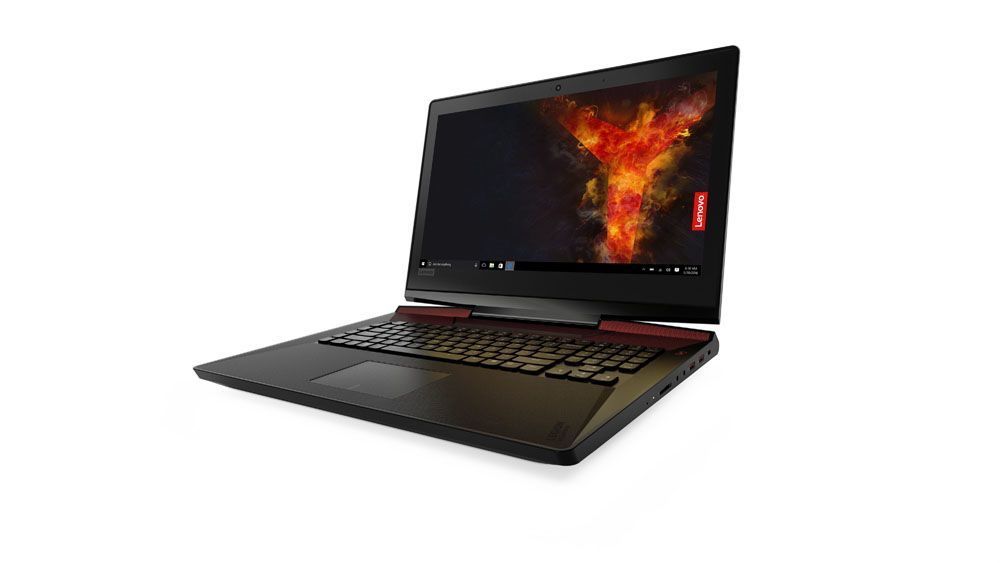


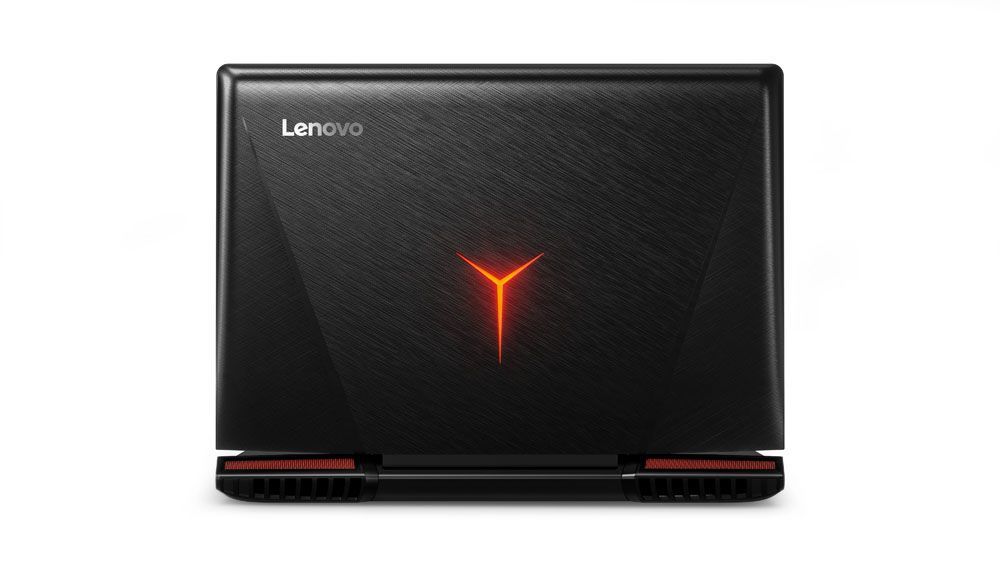
The Lenovo IdeaPad Legion Y920 features four SO-DIMM slots supporting DDR4-SDRAM memory upgrades at 2400 MHz frequency. Maximum RAM capacity reaches 64 GB total. Compatibility requires DDR4 SO-DIMM modules meeting specifications for the Legion Y series. Memory upgrade options enable expansion from factory-installed configurations up to the 64 GB maximum supported capacity across all memory slots.
Memory Upgrade Specifications
| Specification | Value |
|---|---|
| Memory slots | 4x SO-DIMM |
| Form factor | SO-DIMM |
| Memory type | DDR4-SDRAM |
| Frequency | 2400 MHz |
| Maximum RAM | 64 GB |
| Voltage | 1.2V |
| Number of pins | 260-pin |
| Interface | PC4 |
| PC Speed Rating | PC4-2400 (PC4-19200) |
| Bandwidth | 19.2 GB/s |
| Laptop Release date | 03 August 2017 |
Additional Notes
- The 4 SO-DIMM configuration allows independent dual-channel operation, meaning modules must be installed in matching pairs across specific slots to maintain dual-channel bandwidth.
- DDR4-2400 represents the supported JEDEC standard speed, though the chipset may accept higher frequency modules that will downclock to 2400 MHz automatically.
- The 64 GB ceiling requires 4x16 GB modules, as exceeding per-slot density limits will prevent POST completion regardless of total capacity.
- SO-DIMM modules shorter than standard desktop DIMMs enable installation in laptop chassis, but incompatible DIMM form factors will physically obstruct slot insertion.
- Mixing modules with different speeds forces all installed memory to operate at the slowest module's frequency, creating a performance floor.
- Non-matching module capacities across channels may disable dual-channel mode entirely or restrict it to the capacity of the smallest module pair.
- Third-party memory lacking XMP profiles will default to JEDEC timings, while modules with XMP may require BIOS configuration to achieve rated specifications.
- Voltage mismatches between 1.2V standard DDR4 and lower-voltage variants can cause stability issues or boot failures without BIOS voltage adjustment support.
- The bottom panel removal process typically voids certain warranty protections, though memory upgrades often fall under user-serviceable exceptions depending on regional regulations.
- Installing memory while residual charge remains in the system can damage SO-DIMM slots, requiring complete power disconnection and battery removal before module handling.
- Single-rank versus dual-rank module topology affects interleaving behavior, with mixed configurations sometimes reducing performance despite identical rated specifications.
- ECC SO-DIMM modules will either fail to initialize or operate without error correction on consumer platforms lacking ECC support in the memory controller.