LENOVO ThinkPad E14 Gen 2 (AMD) RAM upgrade specifications
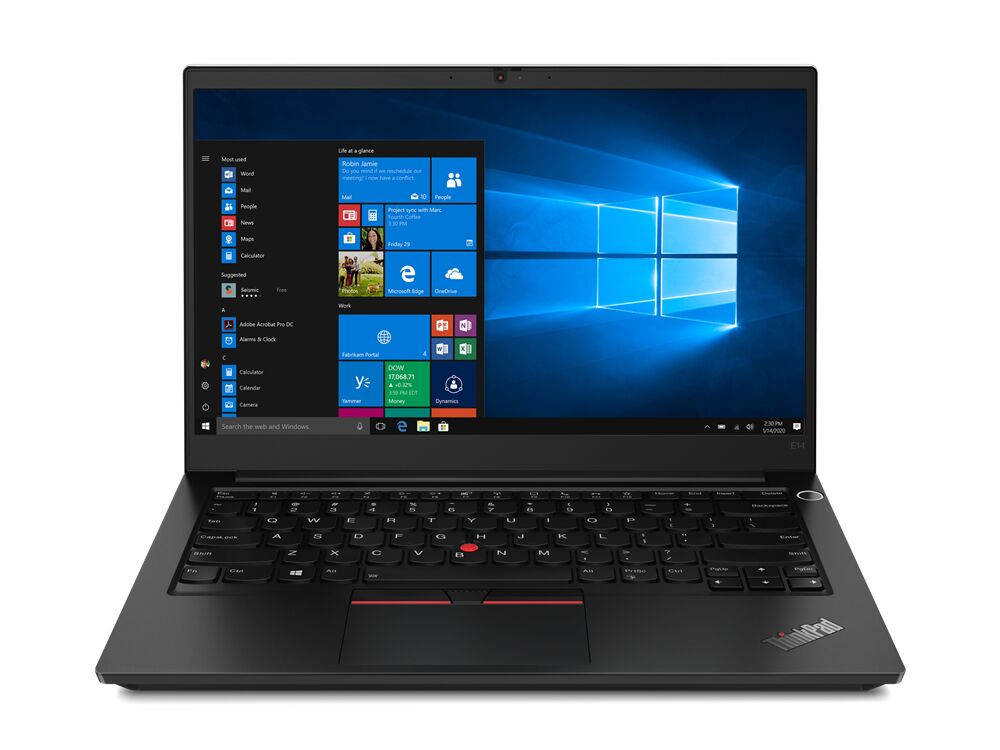
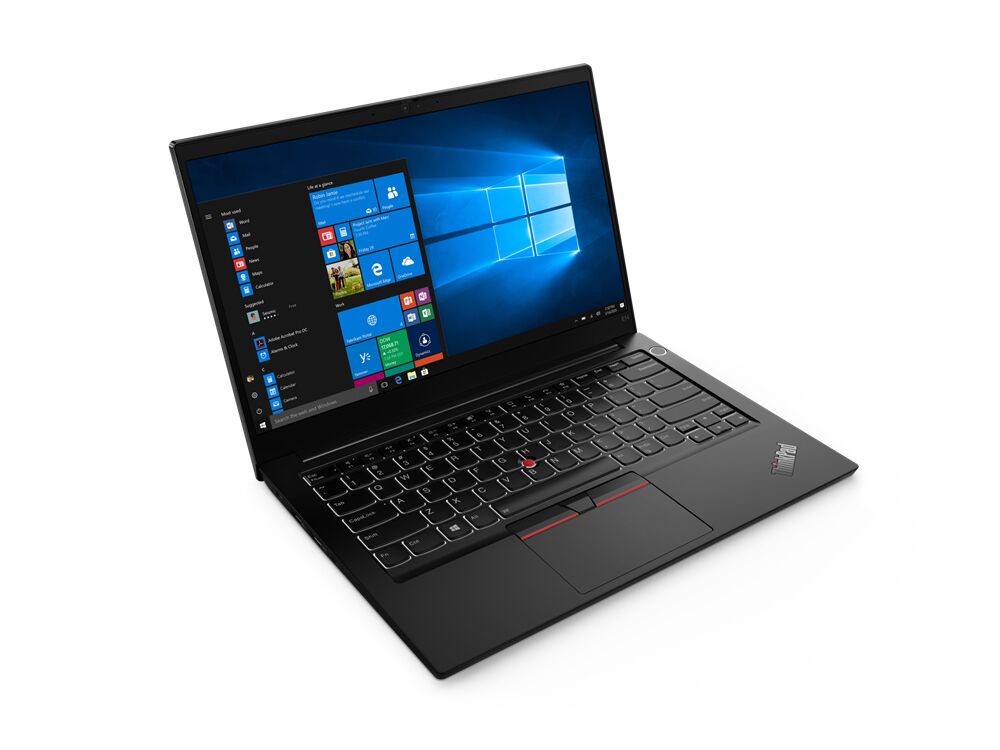
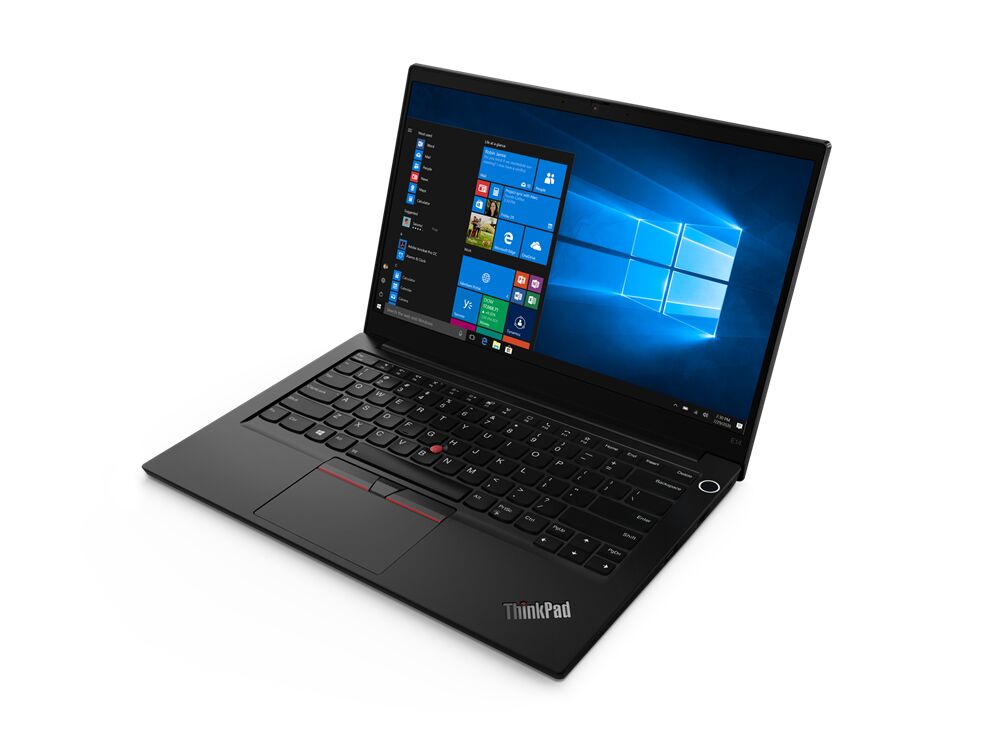
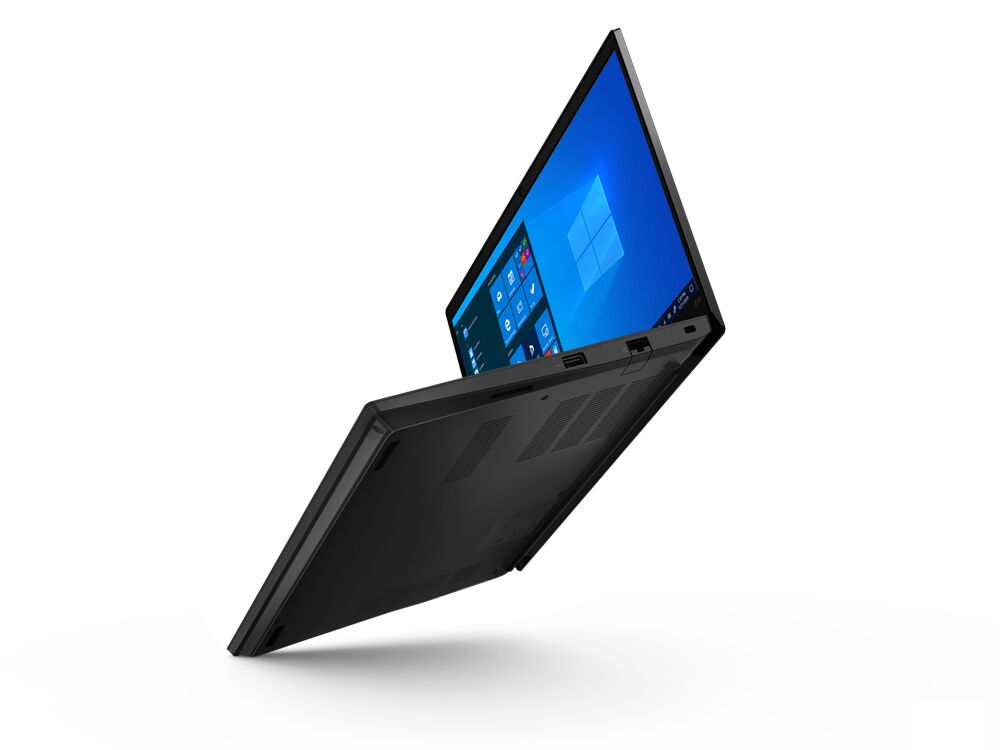
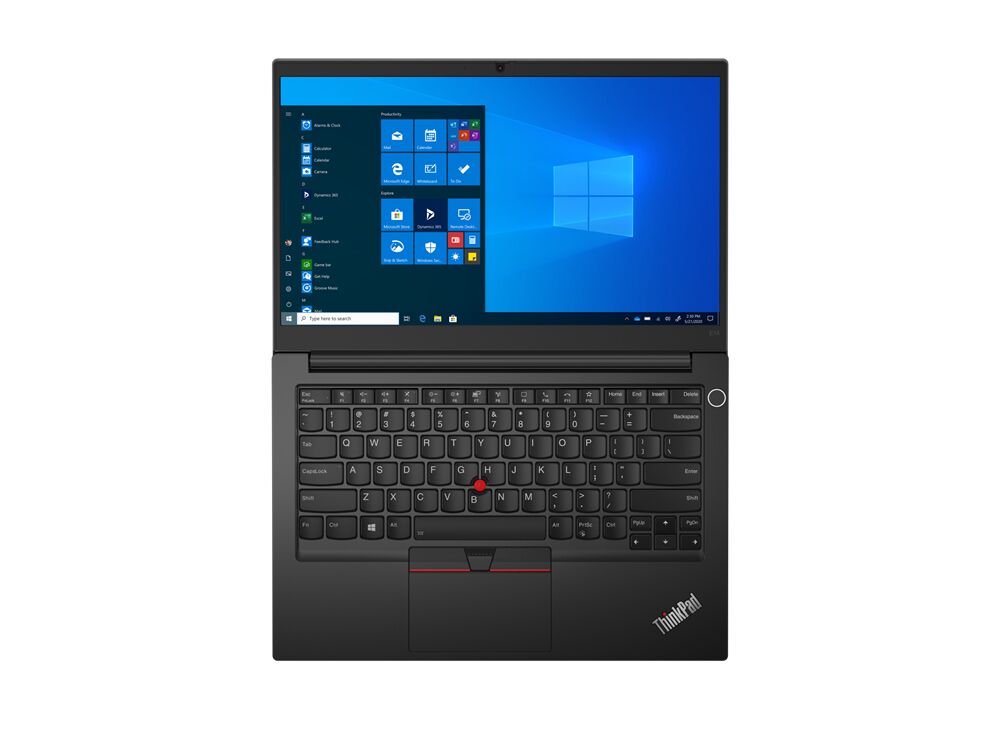
Lenovo ThinkPad E14 Gen 2 (AMD) memory upgrade specifications detail DDR4-SDRAM compatibility with maximum RAM capacity of 24 GB. The laptop features one SO-DIMM slot for memory expansion, operating at 3200 MHz frequency. Memory configuration includes on-board memory combined with upgradeable SO-DIMM slots. Compatible RAM upgrades must meet DDR4-SDRAM specifications to ensure proper functionality with AMD-based processor architecture.
Memory Upgrade Specifications
| Specification | Value |
|---|---|
| Memory slots | 1x SO-DIMM |
| Form factor | On-board + SO-DIMM |
| Memory type | DDR4-SDRAM |
| Frequency | 3200 MHz |
| Maximum RAM | 24 GB |
| Voltage | 1.2V |
| Number of pins | 260-pin |
| Interface | PC4 |
| PC Speed Rating | PC4-3200 (PC4-25600) |
| Bandwidth | 25.6 GB/s |
| Laptop Release date | 16 March 2022 |
Additional Notes
- The Lenovo ThinkPad E14 Gen 2 (AMD) contains soldered memory on the motherboard, meaning a portion of the installed RAM cannot be removed or replaced, only supplemented through the single SO-DIMM slot.
- A single upgrade slot creates a practical ceiling of 24 GB total system memory; users cannot achieve configurations beyond this point regardless of future DDR4 module availability.
- DDR4-3200 MHz represents the maximum supported speed; installing faster DDR4 modules will throttle to this frequency, making premium high-speed RAM unnecessary for this platform.
- The SO-DIMM form factor is a laptop-specific connector type; desktop DDR4 modules are physically incompatible and will not fit the available slot.
- Warranty protection for memory upgrades depends on Lenovo's specific service guidelines; upgrading the SO-DIMM slot typically remains covered under standard warranty terms, whereas opening the chassis to access other components may void coverage.
- The absence of additional memory slots means adding RAM provides no future modularity; if the soldered portion fails, the entire motherboard must be replaced rather than individual components swapped.
- Bandwidth limitations emerge when pairing the single SO-DIMM slot with AMD Ryzen processors that benefit from dual-channel memory architecture; the system will operate in single-channel mode, reducing memory throughput compared to dual-slot configurations.