LENOVO ThinkPad E495 RAM upgrade specifications
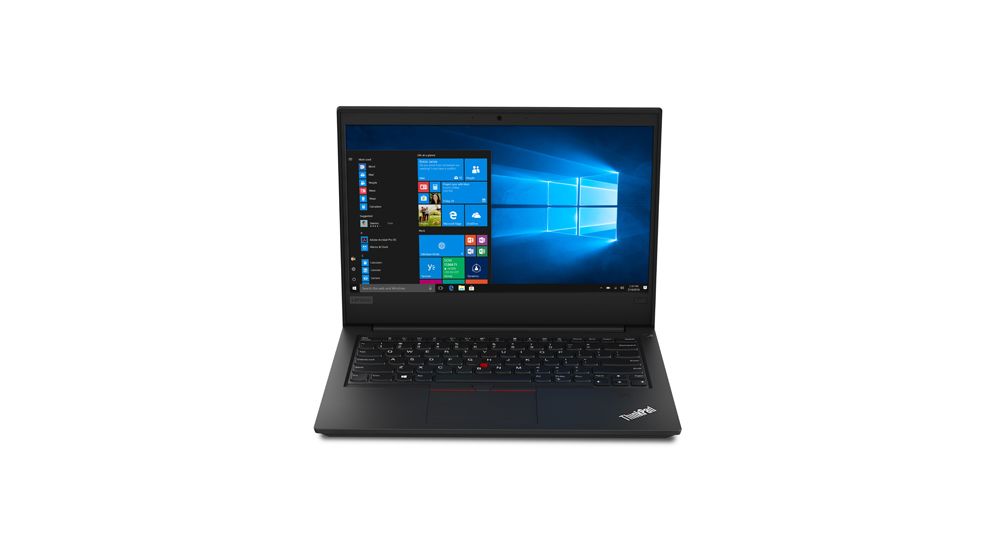

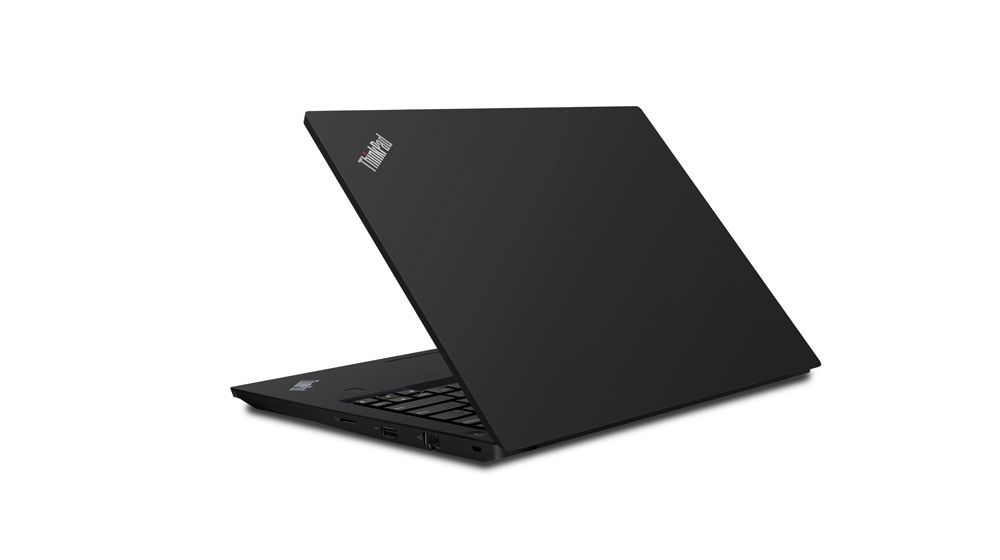

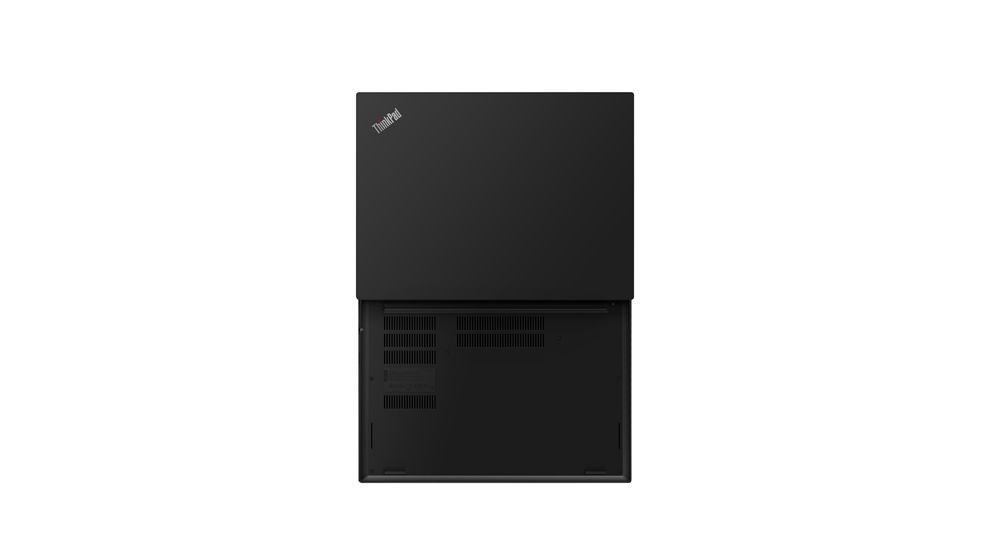
Lenovo ThinkPad E495 RAM upgrade specifications detail memory compatibility for this laptop model. The E495 supports DDR4-SDRAM memory with two SO-DIMM slots for expansion. Maximum RAM capacity reaches 32 GB total, with compatible modules operating at 2400 MHz frequency. Memory upgrades utilize the SO-DIMM form factor, standard for notebook computing. Specifications indicate upgrade potential from factory configurations to full 32 GB capacity across dual memory slots.
Memory Upgrade Specifications
| Specification | Value |
|---|---|
| Memory slots | 2x SO-DIMM |
| Form factor | SO-DIMM |
| Memory type | DDR4-SDRAM |
| Frequency | 2400 MHz |
| Maximum RAM | 32 GB |
| Voltage | 1.2V |
| Number of pins | 260-pin |
| Interface | PC4 |
| PC Speed Rating | PC4-2400 (PC4-19200) |
| Bandwidth | 19.2 GB/s |
| Laptop Release date | 19 July 2019 |
Additional Notes
- The Lenovo ThinkPad E495 supports maximum 32 GB capacity across 2 slots, meaning single-module upgrades beyond 16 GB require replacing both existing DIMMs rather than adding to them.
- DDR4-2400 MHz specification indicates the system operates at a lower standard frequency than contemporary DDR4-3200 modules, creating a speed-mismatch scenario where faster memory reverts to 2400 MHz operation and negates the premium pricing of higher-frequency variants.
- SO-DIMM physical constraint limits upgrade sourcing to laptop-specific memory modules, which carry price premiums of 30 to 50 percent over desktop DIMM equivalents with identical capacity and speed specifications.
- The 2-slot architecture means adding 32 GB total capacity requires either replacing 1 existing module with a 16 GB stick (if starting from single 16 GB config) or replacing both modules entirely (if starting from dual 8 GB or 4 GB configuration), with no middle path for gradual capacity expansion.
- Thermal management becomes relevant above 16 GB total capacity; sustained workloads on dual 16 GB SO-DIMMs generate measurably higher heat dissipation in the confined SO-DIMM slot area compared to single-module configurations, potentially reducing thermal headroom for the adjacent CPU.
- Memory latency on DDR4-2400 operates at approximately 17 to 19 nanoseconds, which compounds with the typical 40 to 60 nanosecond latency penalty inherent to SO-DIMM proximity to the mainboard controller, restricting performance gains in applications sensitive to memory response time.