LENOVO ThinkPad E490 RAM upgrade specifications
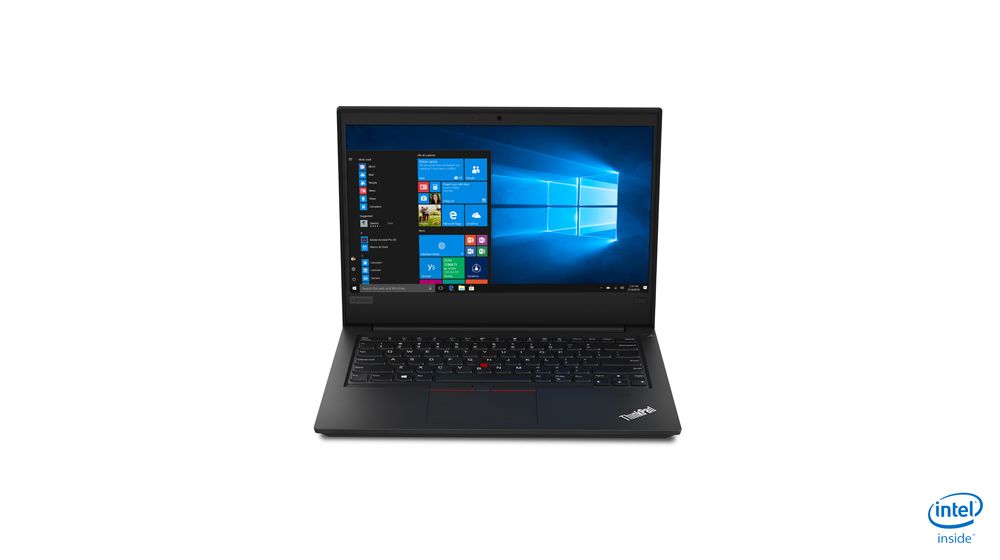
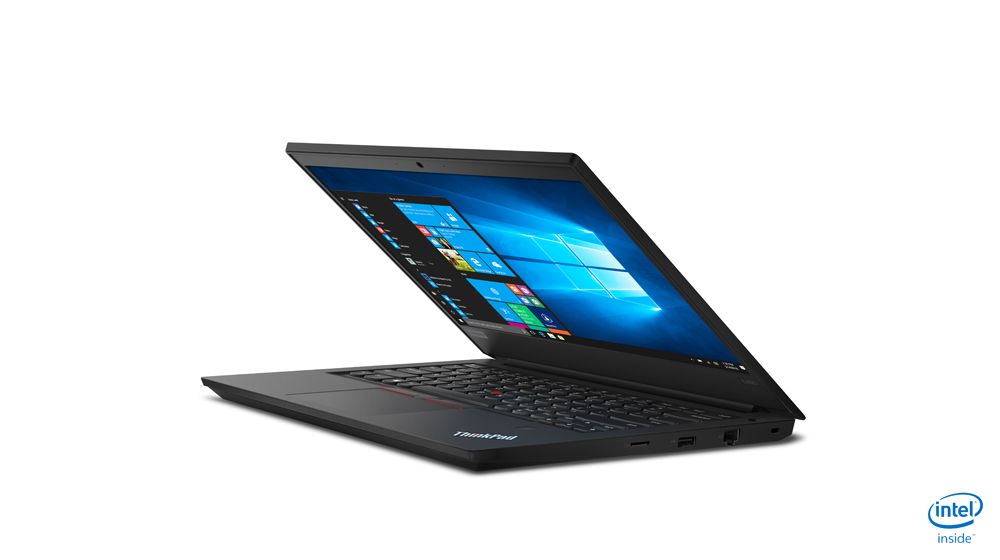
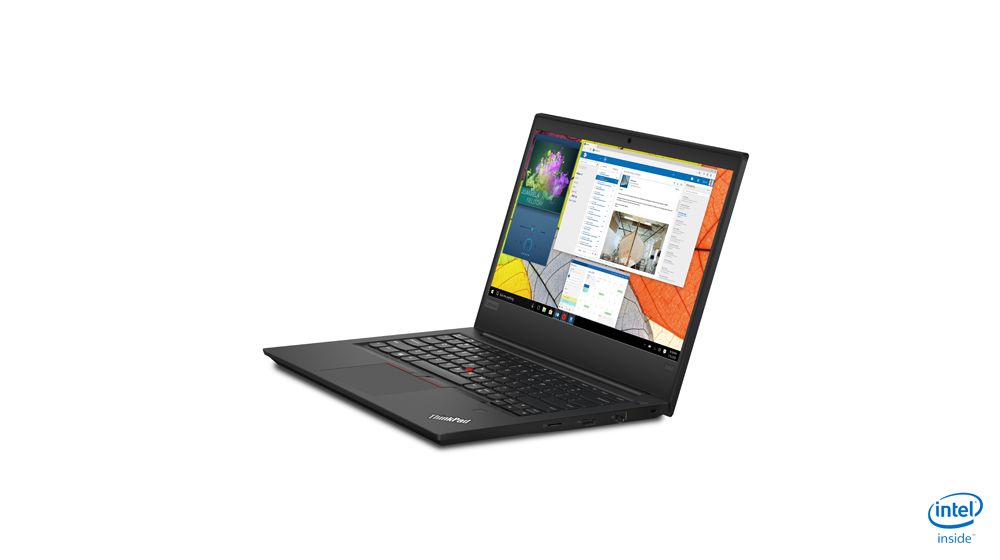
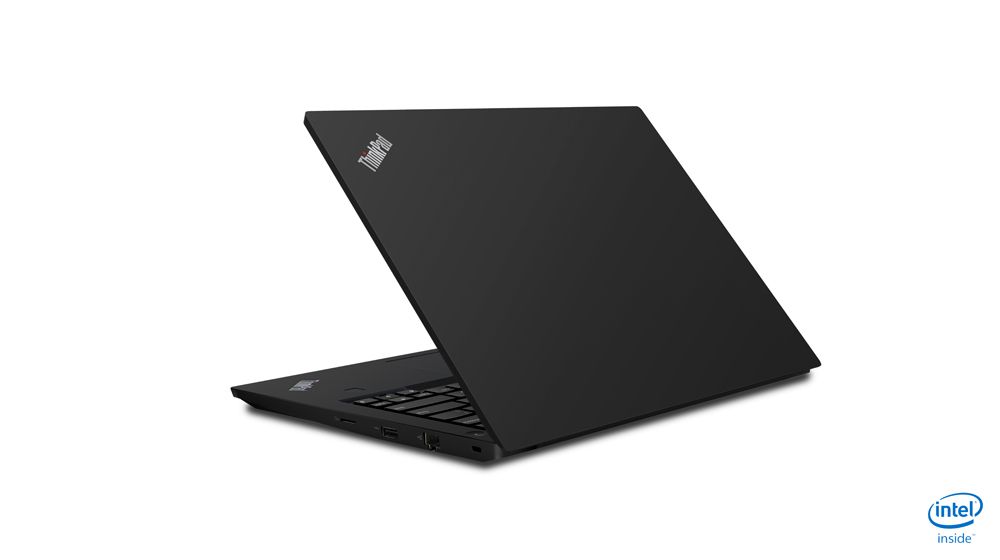
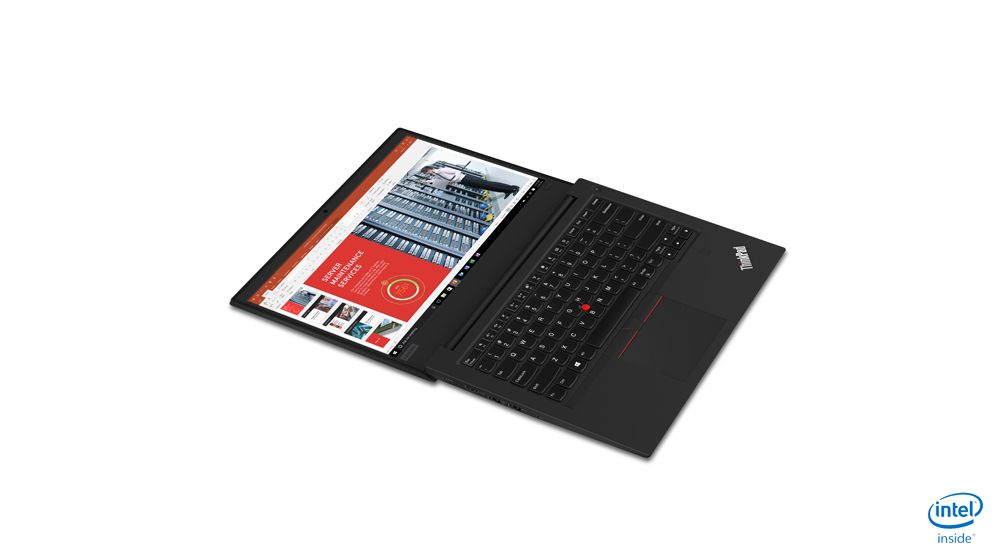
Lenovo ThinkPad E490 RAM upgrade specifications detail the memory configuration for this laptop model. The E490 features 2x SO-DIMM memory slots supporting DDR4-SDRAM modules at 2400 MHz frequency. Maximum memory capacity compatible with this ThinkPad E series model reaches 32 GB total. The SO-DIMM form factor represents the standard memory upgrade specification for this portable computing device. Users seeking to expand RAM capacity on Lenovo ThinkPad E490 systems should reference these technical specifications for compatible memory module selection and installation.
Memory Upgrade Specifications
| Specification | Value |
|---|---|
| Memory slots | 2x SO-DIMM |
| Form factor | SO-DIMM |
| Memory type | DDR4-SDRAM |
| Frequency | 2400 MHz |
| Maximum RAM | 32 GB |
| Voltage | 1.2V |
| Number of pins | 260-pin |
| Interface | PC4 |
| PC Speed Rating | PC4-2400 (PC4-19200) |
| Bandwidth | 19.2 GB/s |
| Laptop Release date | 12 January 2019 |
Additional Notes
- Standard desktop memory modules will not fit due to the SO-DIMM form factor requirement.
- Installing a single module will forfeit dual-channel memory bandwidth, reducing integrated graphics performance.
- The 2400 MHz frequency specification represents the native JEDEC speed; faster modules will downclock to this rate.
- The 32 GB maximum requires 2 modules of 16 GB each, as no single SO-DIMM exceeds this capacity in DDR4.
- Memory operating voltage must remain within DDR4 standard parameters of 1.2V to maintain system stability.
- The ThinkPad E490 ships with soldered memory on certain configurations, which cannot be removed or replaced.
- CAS latency variations at 2400 MHz will produce minimal real-world performance differences compared to capacity constraints.
- Non-ECC unbuffered modules are required; registered or ECC memory will cause POST failures.
- Installing modules with mismatched densities across the 2 slots will disable dual-channel operation.
- The system BIOS may require updates to recognize 32 GB configurations if the laptop shipped with lower-density modules.
- High-density memory chips on some aftermarket modules may exceed the memory controller's rank limitations.
- XMP or overclocking profiles will be ignored by the laptop's firmware, which locks memory to JEDEC specifications.