LENOVO ThinkPad E470 RAM upgrade specifications


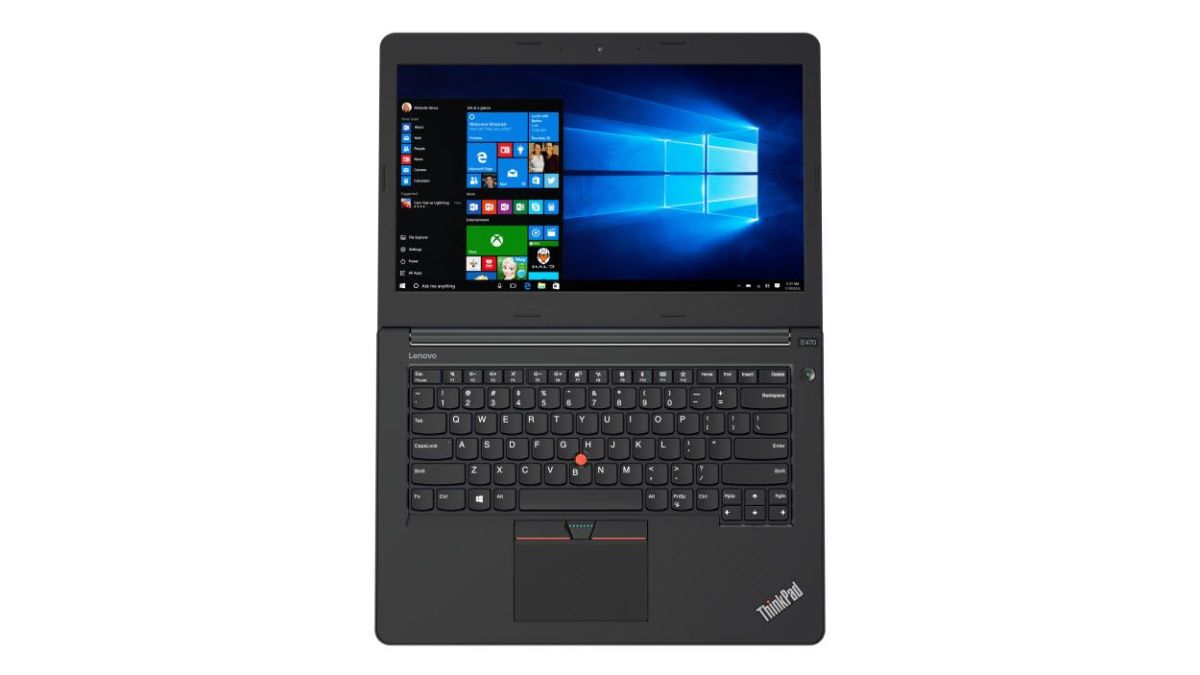

LENOVO ThinkPad E Series E470 laptop supports DDR4-SDRAM memory upgrades. The system features 2x SO-DIMM slots compatible with SO-DIMM form factor modules operating at 2133 MHz frequency. Maximum RAM capacity reaches 32 GB total. Upgrade specifications enable memory expansion for enhanced multitasking performance and application responsiveness on the E470 platform.
Memory Upgrade Specifications
| Specification | Value |
|---|---|
| Memory slots | 2x SO-DIMM |
| Form factor | SO-DIMM |
| Memory type | DDR4-SDRAM |
| Frequency | 2133 MHz |
| Maximum RAM | 32 GB |
| Voltage | 1.2V |
| Number of pins | 260-pin |
| Interface | PC4 |
| PC Speed Rating | PC4-2133 (PC4-17064) |
| Bandwidth | 17.1 GB/s |
| Laptop Release date | 25 June 2017 |
Additional Notes
- The 2133 MHz frequency limitation reflects either chipset-imposed memory controller restrictions or BIOS-locked speed caps that will downclock faster modules to this rate.
- SO-DIMM form factor eliminates compatibility with standard desktop DIMM modules due to different physical pin configurations and connector spacing.
- Systems with soldered memory configurations would reduce available slots, making the second SO-DIMM socket the only user-accessible upgrade path.
- DDR4-2133 represents the lowest-speed DDR4 specification, potentially creating performance gaps in memory-bandwidth-sensitive applications compared to systems supporting 2400 MHz or higher frequencies.
- The 32 GB maximum capacity constraint necessitates 2x16 GB module configuration when targeting peak memory, preventing asymmetric configurations like 8 GB plus 24 GB modules.
- Dual-channel architecture requires matched module pairs in both slots to achieve optimal memory bandwidth, with single-module operation resulting in 50% theoretical bandwidth reduction.
- Non-ECC unbuffered memory compatibility is implied by the consumer-grade specification, excluding registered or error-correcting modules used in workstation platforms.
- Operating voltage for DDR4-2133 standardizes at 1.2V, rejecting DDR3L or DDR3 modules despite physical incompatibility already preventing insertion attempts.
- Memory timings at 2133 MHz typically default to CAS latency 15 (CL15), though modules with tighter timings may not provide observable performance benefits due to frequency locking.
- Thermal constraints in the laptop chassis may limit sustained memory performance under heavy workloads, as SO-DIMM modules lack dedicated heatspreaders common in desktop configurations.
- The ThinkPad E series positioning as business-oriented hardware suggests BIOS whitelisting absent, allowing third-party memory modules without vendor-specific restrictions.
- Accessing memory slots in this model generation typically requires bottom panel removal, with potential warranty seal breakage depending on regional service policies.