LENOVO ThinkPad E15 Gen 4 (Intel) RAM upgrade specifications
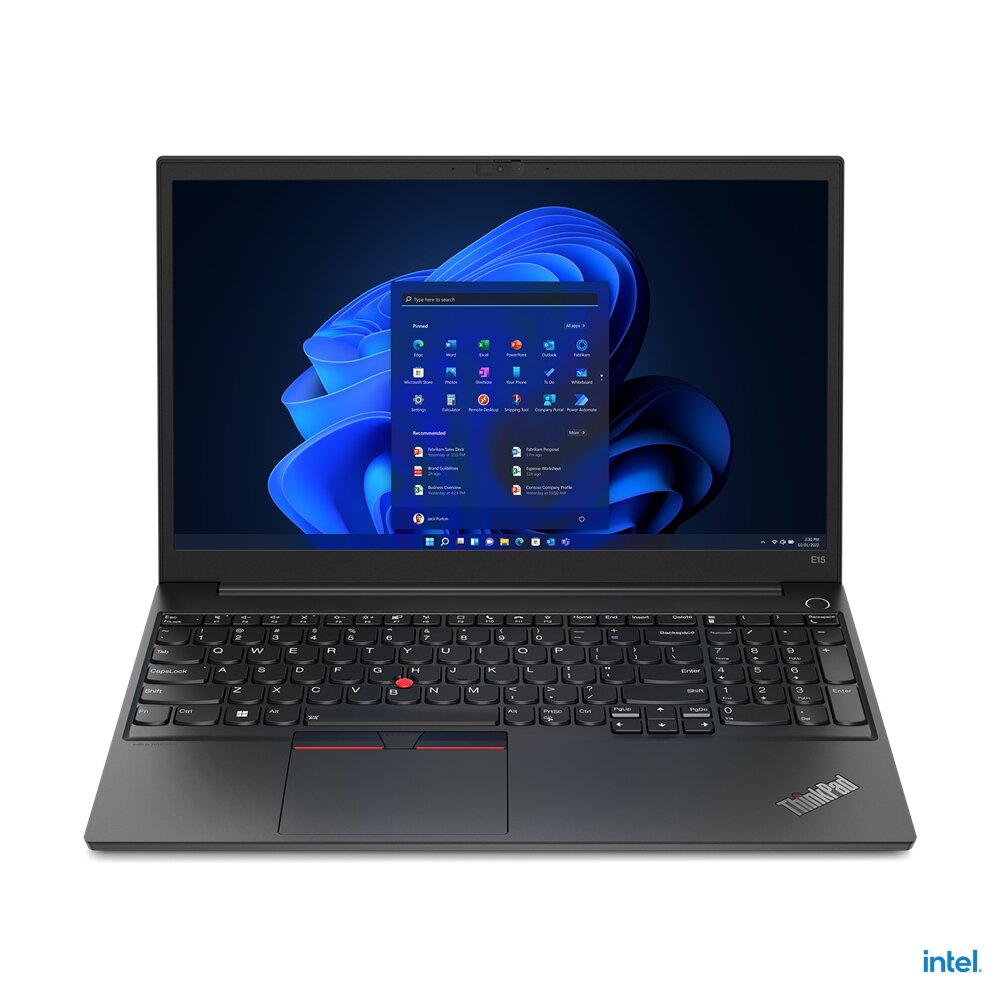
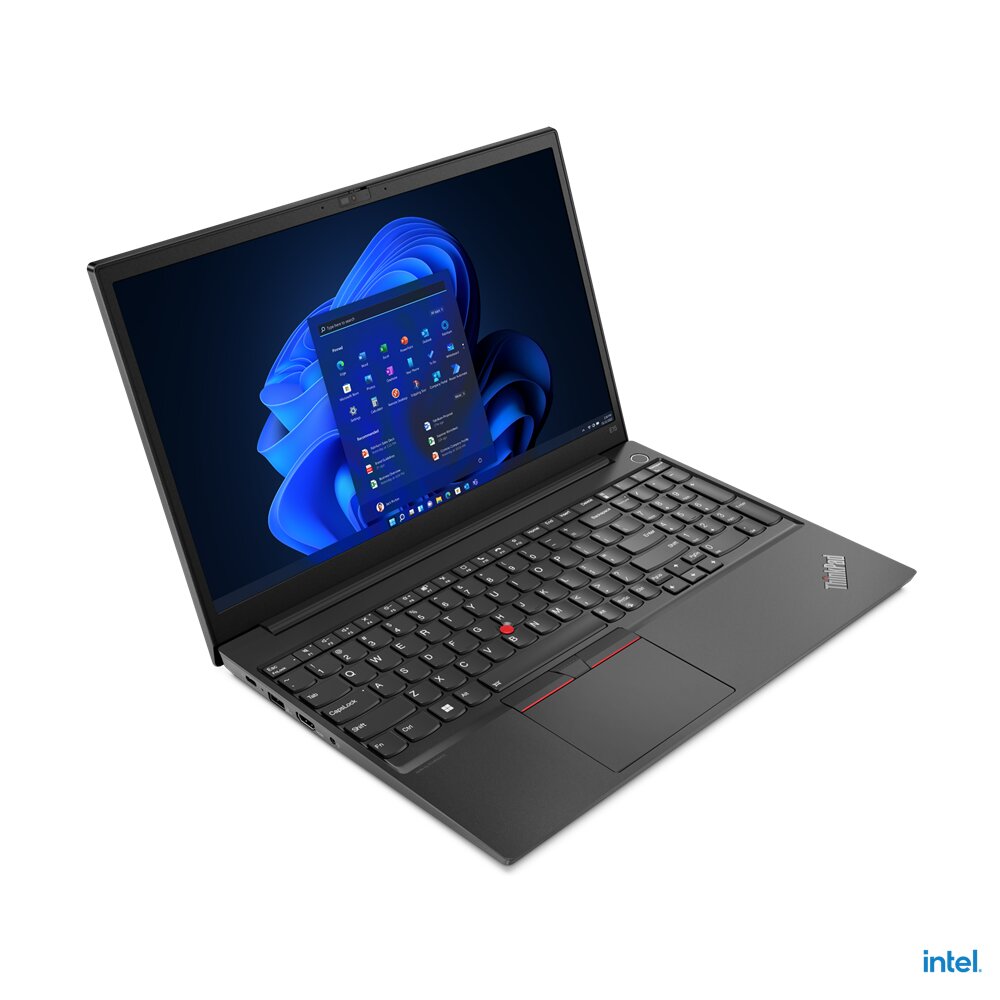
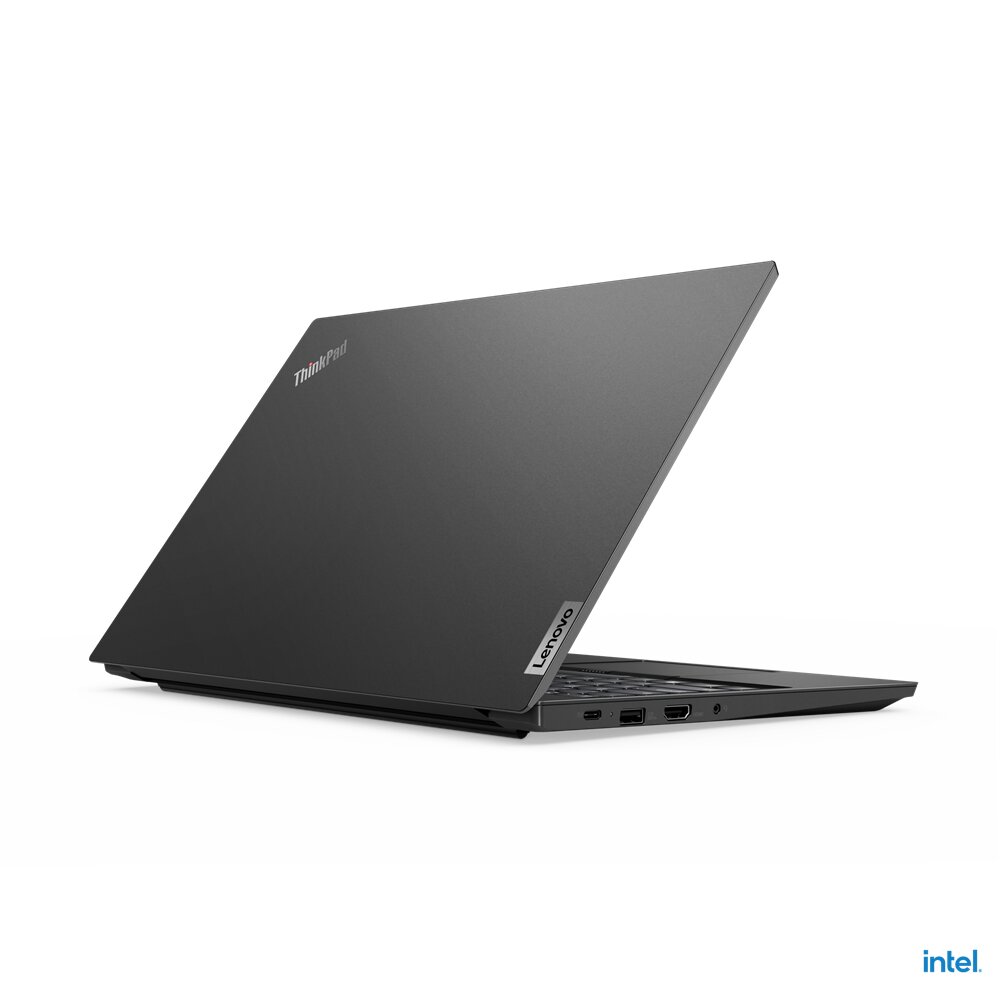
The Lenovo ThinkPad E15 Gen 4 (Intel) supports DDR4-SDRAM memory upgrades with a maximum capacity of 40 GB. The laptop features one SO-DIMM slot for memory expansion, operating at 3200 MHz frequency. Specifications indicate on-board memory combined with a single SO-DIMM slot for compatible RAM upgrades. Users can upgrade the memory to reach the maximum supported capacity through the available SO-DIMM slot.
Memory Upgrade Specifications
| Specification | Value |
|---|---|
| Memory slots | 1x SO-DIMM |
| Form factor | On-board + SO-DIMM |
| Memory type | DDR4-SDRAM |
| Frequency | 3200 MHz |
| Maximum RAM | 40 GB |
| Voltage | 1.2V |
| Number of pins | 260-pin |
| Interface | PC4 |
| PC Speed Rating | PC4-3200 (PC4-25600) |
| Bandwidth | 25.6 GB/s |
| Laptop Release date | 01 June 2023 |
Additional Notes
- The Lenovo ThinkPad E15 Gen 4 (Intel) employs a hybrid memory architecture with soldered RAM complementing the single SO-DIMM socket, meaning total system memory represents the sum of both components rather than slot-based capacity alone.
- Achieving the 40 GB ceiling requires pairing the factory-installed on-board memory with a specific SO-DIMM capacity, as asymmetric configurations determine whether dual-channel mode activates across the entire memory pool or only partially.
- Single SO-DIMM slot topology eliminates traditional dual-channel expansion through matched pairs, creating dependency on the soldered module for bandwidth optimization and preventing user-initiated symmetric memory configurations.
- Systems shipping with 8 GB soldered memory necessitate a 32 GB SO-DIMM module to reach maximum capacity, though module availability and cost-per-gigabyte ratios may render intermediate capacities more economical for typical workloads.
- DDR4-3200 operates at JEDEC standard voltage of 1.2V, though actual operating frequency depends on processor memory controller specifications and may downclock if the installed SO-DIMM exceeds supported speeds.
- Memory interleaving occurs only within the capacity range where soldered and SO-DIMM sizes overlap, causing configurations like 8 GB soldered plus 32 GB SO-DIMM to run 16 GB in dual-channel mode and the remaining 24 GB in single-channel mode.
- SO-DIMM installation requires bottom panel removal, which typically involves multiple screw types and potential clips, though this access method preserves manufacturer warranty compared to irreversible soldered component modifications.
- Non-ECC unbuffered modules remain the only compatible SO-DIMM type for consumer-grade chipsets in this platform, as registered or error-correcting variants trigger POST failures or prevent boot completion.
- CAS latency variations among DDR4-3200 modules cause minimal real-world performance deltas in typical office applications, though memory-intensive workflows may exhibit measurable differences between CL22 and CL16 timings.
- Temperature operating ranges for SO-DIMM modules must align with chassis thermal design, as confined laptop airflow paths create higher ambient temperatures than desktop environments and may throttle unstable modules.