LENOVO ThinkPad E15 i5-10210U RAM upgrade specifications
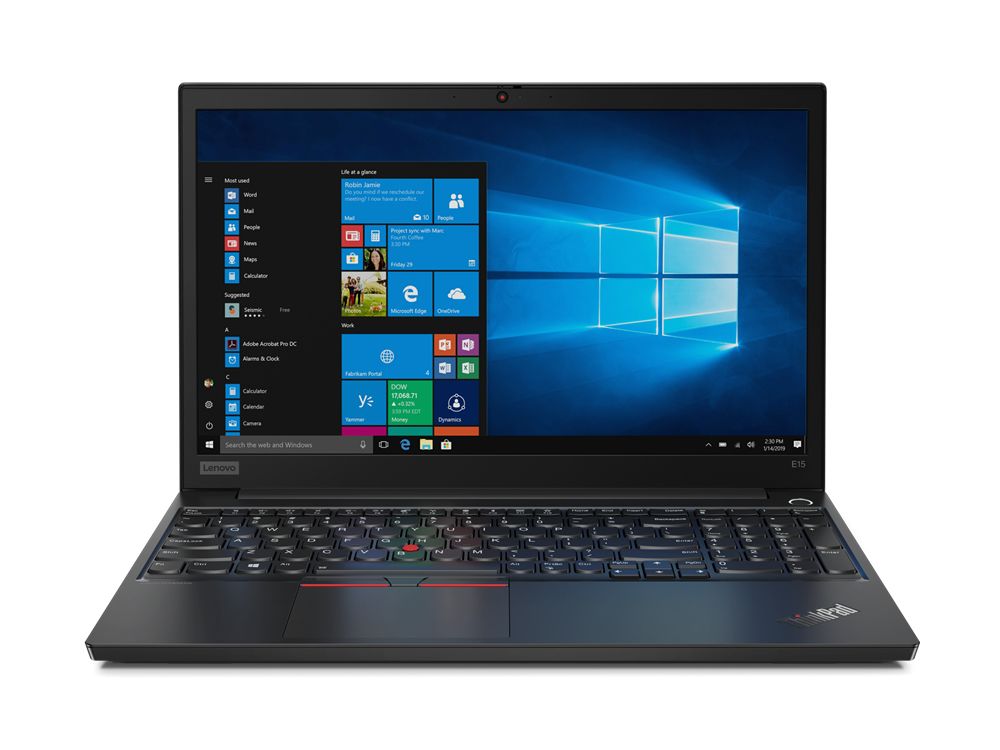
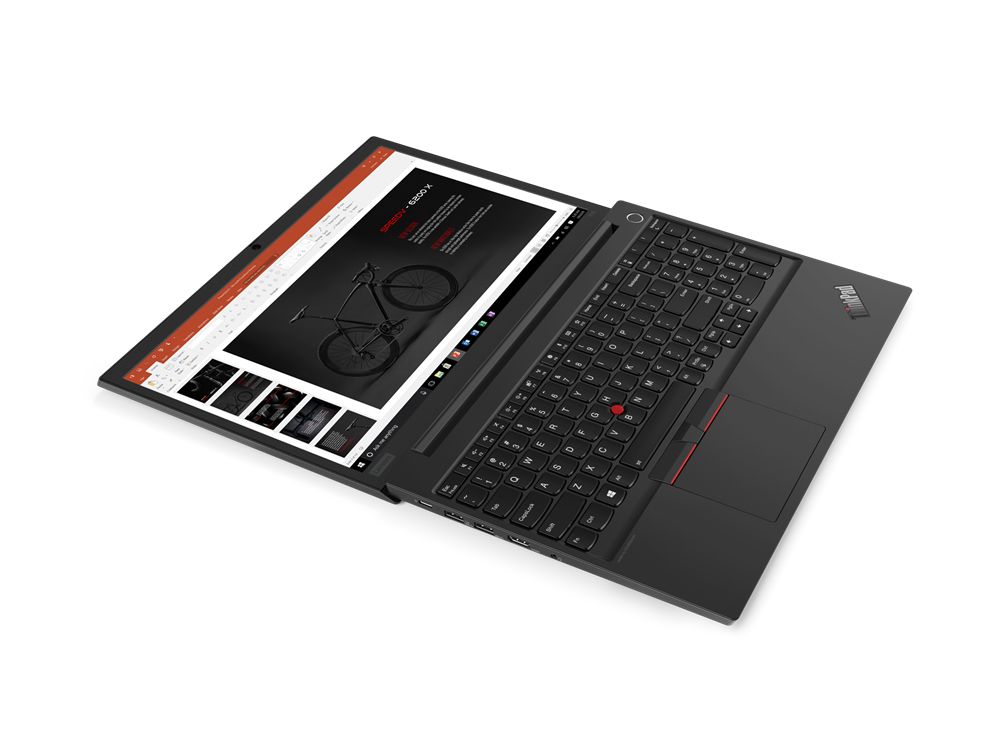
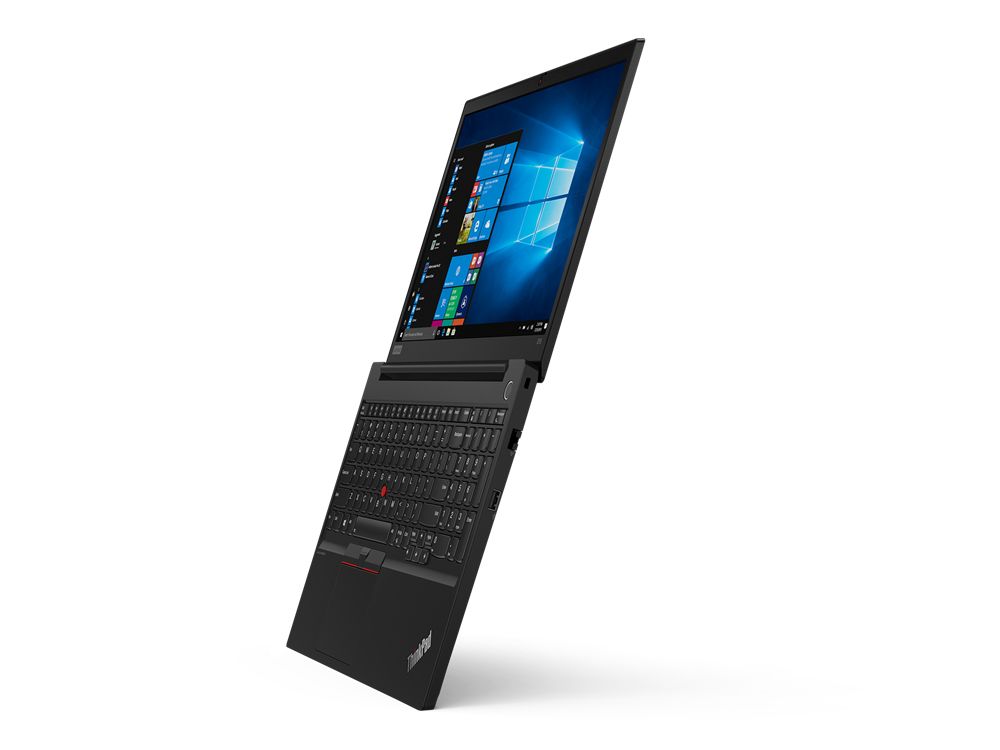
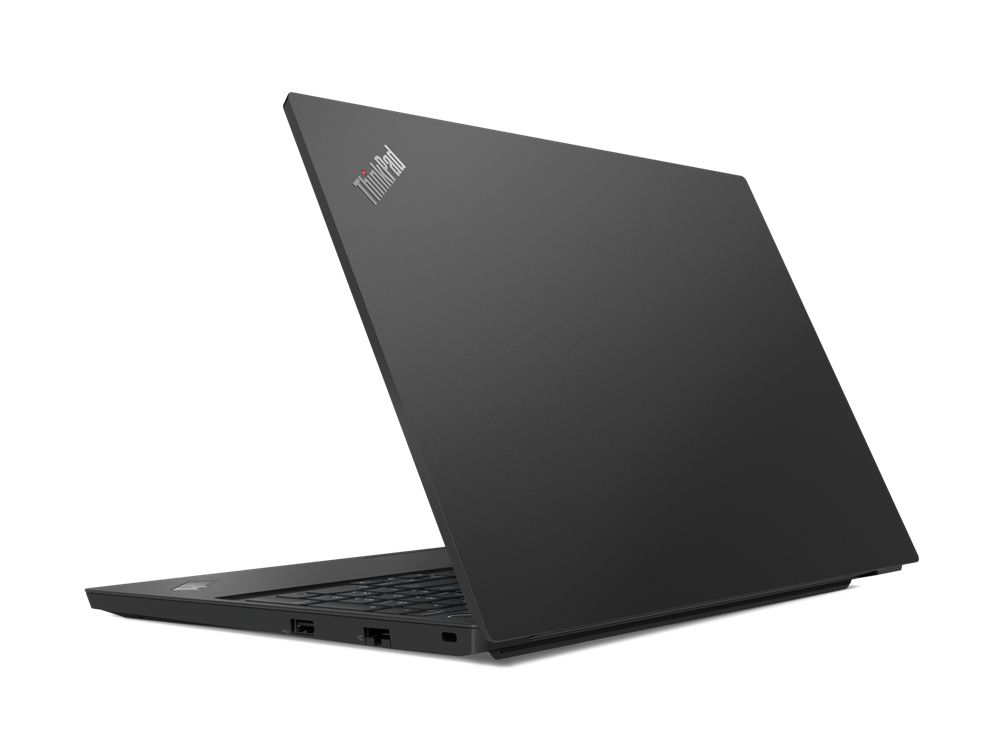
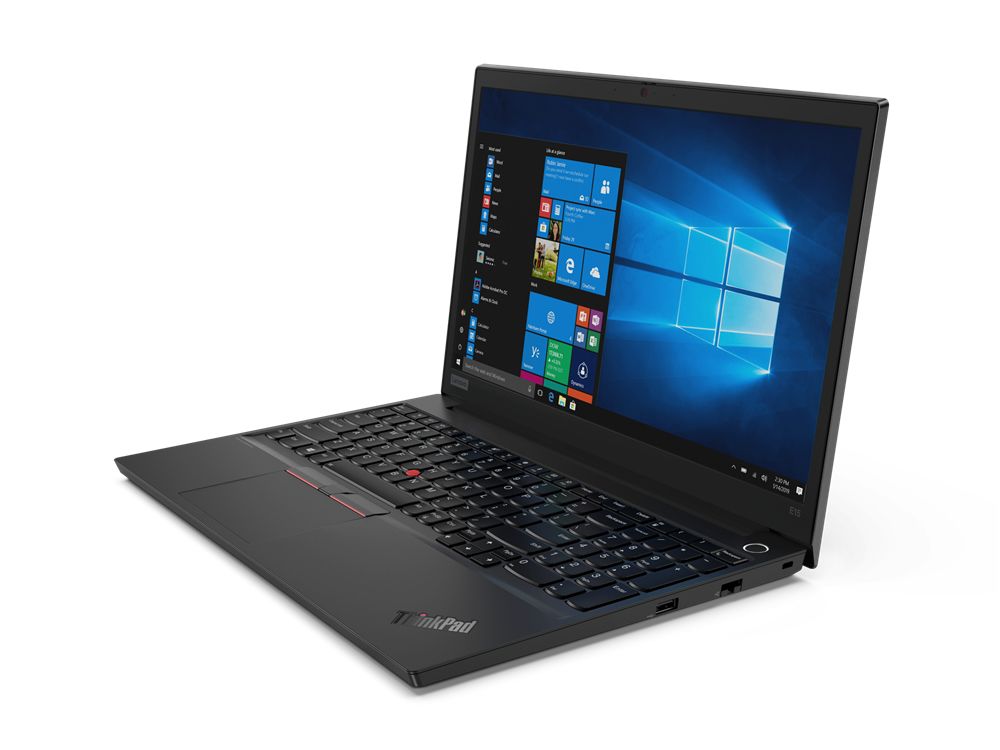
The Lenovo ThinkPad E15 i5-10210U features one SO-DIMM slot for memory expansion. The laptop supports DDR4-SDRAM memory operating at 2666 MHz frequency. Maximum RAM capacity is 16 GB. Compatible upgrade modules must match DDR4-SDRAM specifications and SO-DIMM form factor. The single memory slot allows for straightforward RAM upgrades to boost system performance and multitasking capabilities.
Memory Upgrade Specifications
| Specification | Value |
|---|---|
| Memory slots | 1x SO-DIMM |
| Form factor | SO-DIMM |
| Memory type | DDR4-SDRAM |
| Frequency | 2666 MHz |
| Maximum RAM | 16 GB |
| Voltage | 1.2V |
| Number of pins | 260-pin |
| Interface | PC4 |
| PC Speed Rating | PC4-2666 (PC4-21328) |
| Bandwidth | 21.3 GB/s |
| Laptop Release date | 08 November 2019 |
Additional Notes
- The presence of a single SO-DIMM slot indicates that memory operates in single-channel mode, which limits maximum theoretical bandwidth compared to dual-channel configurations.
- The Lenovo ThinkPad E15 i5-101210U architecture typically includes 4 GB or 8 GB of memory soldered directly to the motherboard, meaning the physical slot provides the only path for expansion beyond the base factory configuration.
- Upgrading requires the total removal of the existing module in the single slot rather than adding a second module, resulting in zero resale value for the displaced component if the slot is already occupied.
- Installing a module with a frequency higher than 2666 MHz results in automatic downclocking to match the system bus speed, providing no performance benefit from overclocked memory kits.
- The 16 GB capacity ceiling suggests the BIOS or memory controller firmware lacks the addressing range required for modern 32 GB or 64 GB high-density modules.
- Physical access to the memory slot requires removing the entire base cover assembly, which necessitates the use of non-marring prying tools to avoid shearing the plastic retention clips.
- Integrated graphics performance relies heavily on system RAM, so the single-channel limitation acts as a direct bottleneck for video rendering and graphical processing tasks.