LENOVO ThinkPad E15 Gen 4 (AMD) RAM upgrade specifications
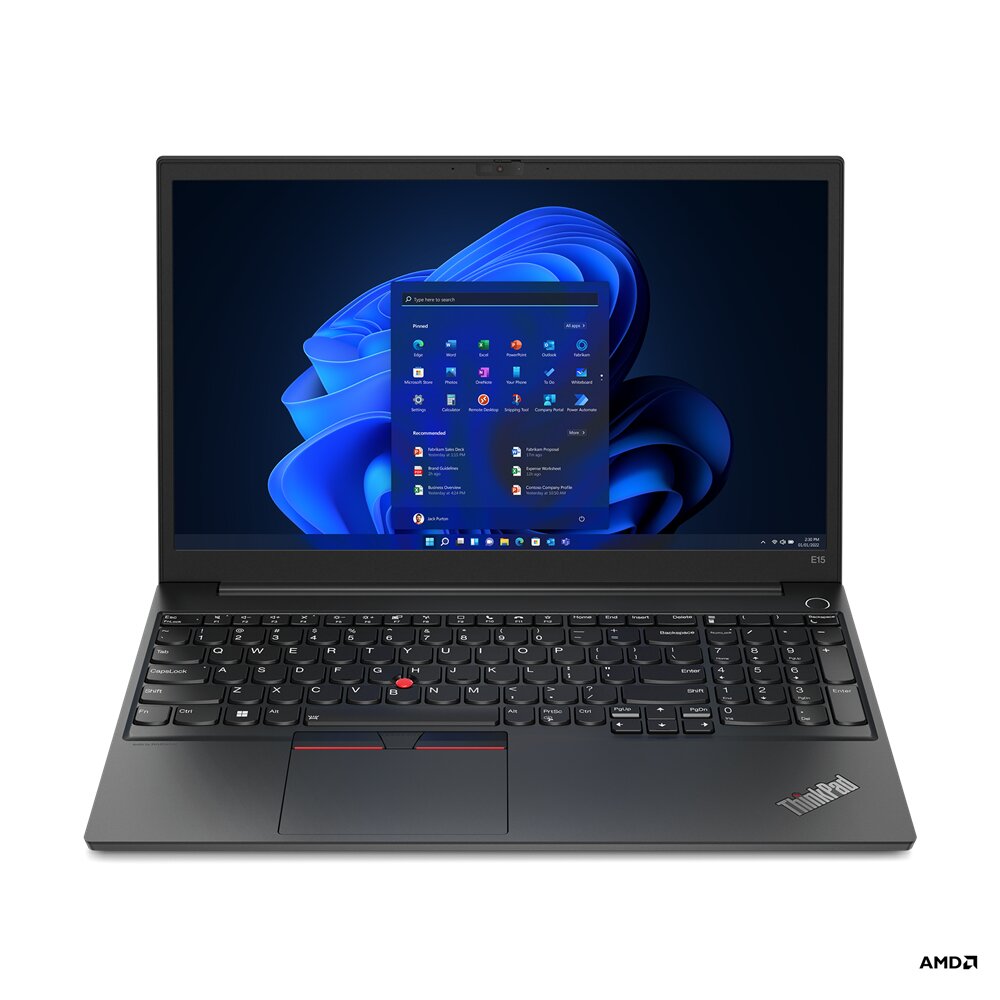
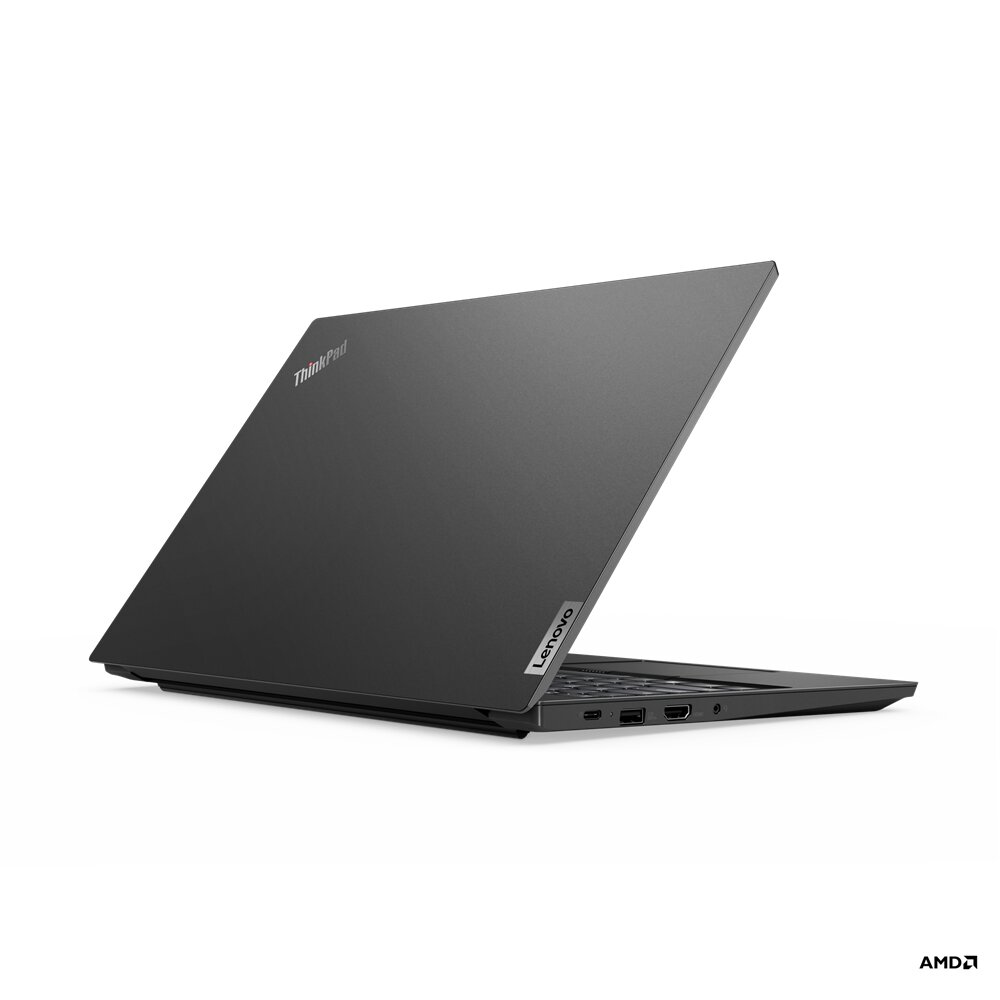
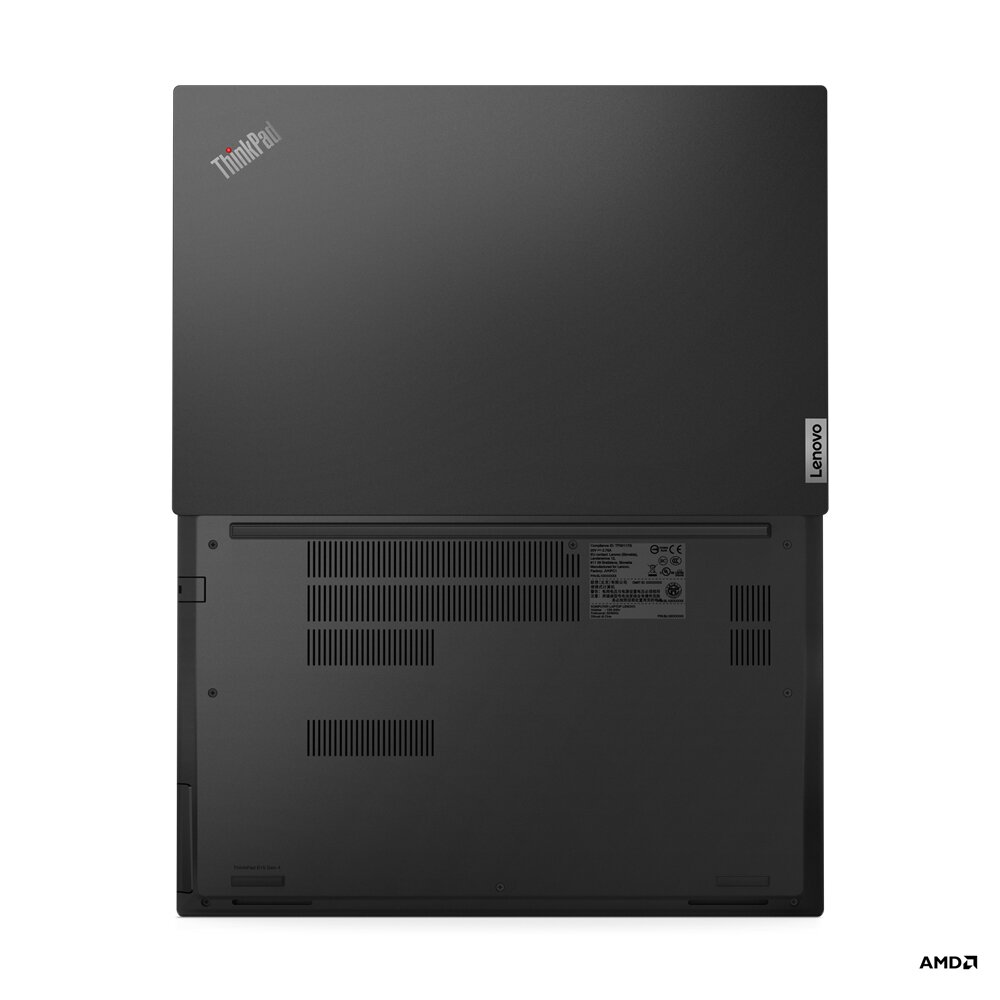
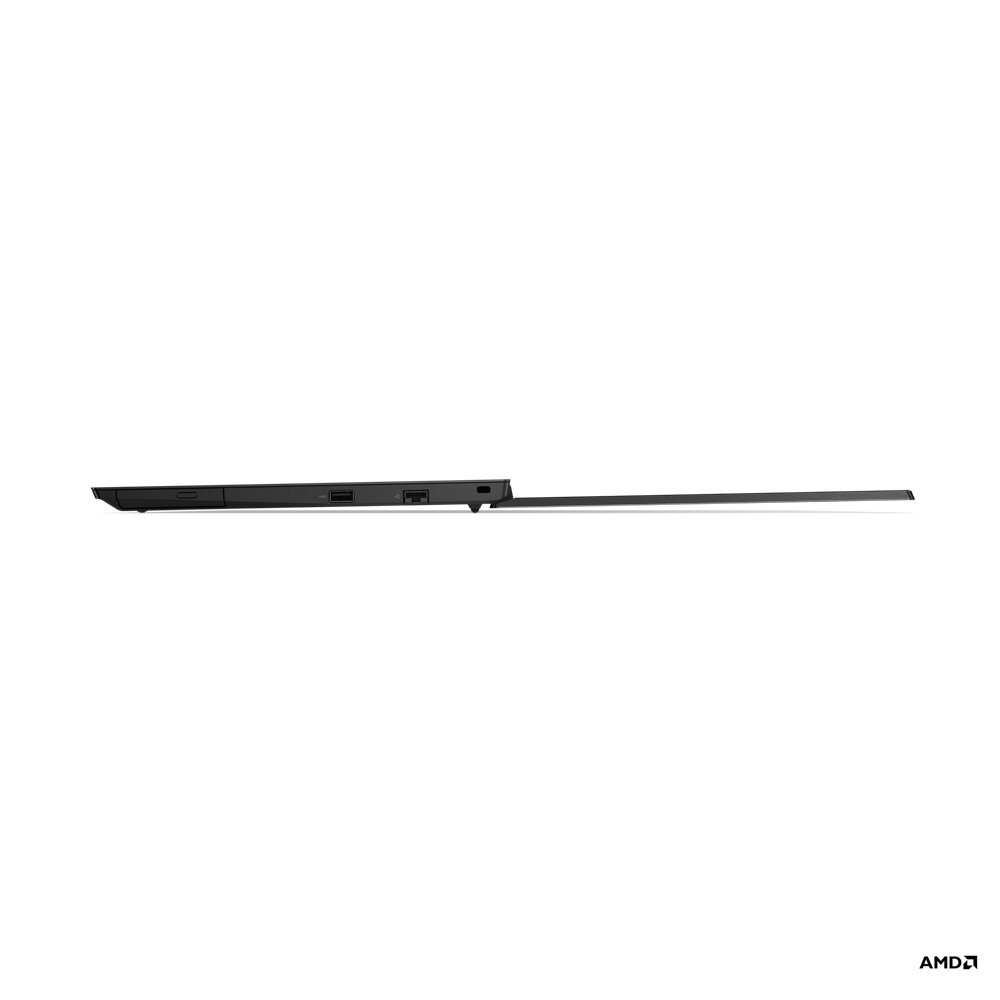
Lenovo ThinkPad E15 Gen 4 (AMD) RAM upgrade specifications detail DDR4-SDRAM memory compatibility with maximum capacity of 40 GB. Upgrade slot configuration includes 1x SO-DIMM slot for expansion alongside on-board memory. Compatible memory modules operate at 3200 MHz frequency. Specifications indicate single expandable slot supports DDR4-SDRAM technology for enhanced system memory capacity.
Memory Upgrade Specifications
| Specification | Value |
|---|---|
| Memory slots | 1x SO-DIMM |
| Form factor | On-board + SO-DIMM |
| Memory type | DDR4-SDRAM |
| Frequency | 3200 MHz |
| Maximum RAM | 40 GB |
| Voltage | 1.2V |
| Number of pins | 260-pin |
| Interface | PC4 |
| PC Speed Rating | PC4-3200 (PC4-25600) |
| Bandwidth | 25.6 GB/s |
Additional Notes
- The Lenovo ThinkPad E15 Gen 4 (AMD) contains 1 removable SO-DIMM slot, indicating that a portion of the system RAM is soldered to the motherboard and cannot be replaced or removed.
- Upgrade capacity is constrained to 40 GB total, meaning the soldered memory plus single SO-DIMM slot combine to reach this ceiling; adding a 32 GB module would max out the configuration.
- DDR4-3200 MHz memory operates within standard bandwidth parameters for Ryzen mobile processors in this generation, so upgrading to higher frequency modules would provide no performance benefit and may not be recognized by the BIOS.
- The single SO-DIMM slot creates a single point of failure for user-serviceable memory; any malfunction in the installed module cannot be compensated by secondary memory redundancy.
- Warranty implications favor factory-sealed modules from Lenovo or certified partners; third-party DDR4-3200 SO-DIMM upgrades typically remain covered under standard consumer warranty provisions so long as installation does not involve disassembly beyond the standard access panel.
- Mixed memory configurations (mismatched capacity or timing between on-board and removable modules) may trigger reduced performance or stability issues due to DDR4 dual-channel operation being limited to matched pairs on single-slot systems.
- The fixed on-board memory cannot be underclocked or adjusted independently, locking the system to the factory-programmed frequency and timing of the soldered component.